Discover Family-Friendly Trails: Your Guide to Unforgettable Outdoor Adventures
Imagine the sound of laughter echoing through a sun-dappled forest, the shared wonder at spotting a deer just off the path, and the proud smile on your child’s face after conquering a small summit. These are the moments that turn a simple walk into a cherished family memory. In our fast-paced, screen-filled world, finding meaningful ways to connect can be a challenge. The solution might be simpler than you think: it’s waiting just outside your door on a family-friendly trail.
Hiking with your family isn’t about grueling distances or extreme terrain. It’s about adventure, discovery, and quality time spent together in nature. Whether you have toddlers, teenagers, or a multi-generational crew, there’s a perfect path for you. This guide is your first step. We’ll explore how to find the best trails, pack like a pro, and ensure every outing is safe, fun, and truly unforgettable. So, lace up those shoes—your next great family story is about to begin.
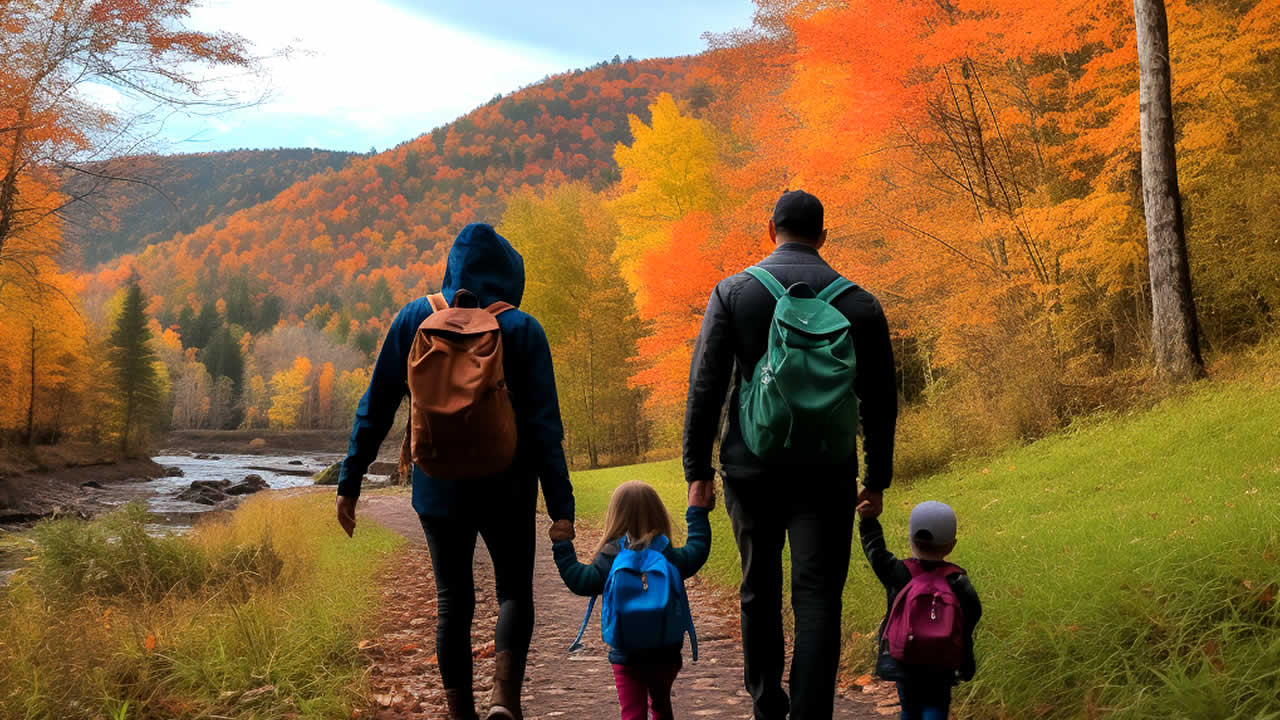
Why Hiking is the Perfect Family Activity
Before we dive into finding trails, let’s talk about why hitting the path is such a powerful choice for families. Beyond the obvious physical benefits, hiking offers unique rewards that strengthen your family bond and create a lasting appreciation for the natural world.
It’s Accessible and Affordable. Unlike many organized sports or attractions, hiking requires minimal gear to start and is often free. State parks, national forests, and local nature preserves offer a world of exploration without straining your budget. You can tailor the adventure to your family’s comfort level, making it inclusive for all ages and abilities.
It Fosters Connection and Conversation. Without the distractions of devices, notifications, and daily chores, trails provide a rare space for genuine conversation. The shared experience of navigating a path, observing wildlife, or enjoying a scenic view naturally leads to talking, laughing, and creating inside jokes that become part of your family lore.
It Builds Resilience and Confidence. For kids, completing a hike is a tangible accomplishment. Navigating a rocky section, crossing a stream, or reaching a viewpoint teaches problem-solving, perseverance, and self-reliance. That boost in confidence translates off the trail, too. There’s no better classroom for life skills than the great outdoors.
It Cultivates Environmental Stewardship. When children experience the beauty of a moss-covered log, the quiet of an old-growth forest, or the thrill of seeing an eagle soar, they develop a personal connection to nature. This firsthand experience is the foundation for a lifelong commitment to protecting our planet.
Ready to reap these benefits? Your first task is finding the right trail. Let’s map out how to do it.

How to Find the Best Family-Friendly Trails Near You
You don’t need to live next to a national park to find amazing trails. Great family-friendly hikes exist in every region. The key is knowing what to look for and where to search.
Key Features of a Great Family Trail
When scouting potential hikes, prioritize these elements to ensure success, especially with younger children:
- Appropriate Length: A general rule is a child can hike about 1/2 to 1 mile per year of age. For a mixed-age group, start with shorter loops (1-3 miles total) that feel achievable.
- Engaging Terrain: Look for trails with things to see and do—a babbling brook, interesting rock formations, a waterfall, or a lake. Points of interest keep motivation high.
- Manageable Difficulty: Seek out “easy” or “moderate” ratings. Avoid trails with excessive elevation gain (aim for under 500 feet per mile for beginners) or technical features like scrambles.
- Good Amenities: Proximity to restrooms, picnic areas, or a visitor center can be a game-changer, especially for potty-training littles or when you need a quick snack refuge.
- Local Park District Websites: Your county or city parks department website is a treasure trove of local, often less-crowded, trail maps and information.
- Word of Mouth: Ask other parents, scout leaders, or teachers for their favorite local spots. Personal recommendations are often the best.
- Hydration: More water than you think! Plan for at least one liter per person, per two hours of hiking. Consider a hydration bladder for kids.
- Nutrition: High-energy, low-mess snacks. Think trail mix, granola bars, fruit leathers, and crackers. Always pack extra—hungry hikers are unhappy hikers.
- Sun Protection: Sunscreen, hats, and sunglasses for everyone, regardless of the season.
- Insulation: An extra layer (like a fleece or light puffer) for each person. Mountain weather can change rapidly.
- Illumination: A small headlamp or flashlight, just in case your adventure runs long.
- First-Aid Kit: A basic kit with bandages, antiseptic wipes, blister treatment, tweezers, and any personal medications.
- Emergency Shelter: A lightweight emergency blanket or bivy sack.
- Fire Starter: Waterproof matches or a lighter in a sealed bag.
- Repair Kit & Tools: A multi-tool, duct tape, and a whistle (teach kids the universal distress signal: three blows).
- Comfortable Clothing: Dress in moisture-wicking, breathable layers (avoid cotton, which gets cold when wet).
- A Small Backpack: Let kids carry their own water, snack, and a special “trail toy.” It builds responsibility and engagement.
- Engagement Tools: A magnifying glass, a small notebook for leaf rubbings, or a kid-friendly camera can transform the hike into a scavenger hunt.
- “I Spy” with natural elements.
- Scavenger Hunt for specific colors, shapes, or items (a pinecone, a smooth stone, something yellow).
- Storytelling: Take turns adding a sentence to a collaborative trail story.
- Set visual goals: “Let’s hike to that big twisted tree, then have a snack!”
- Theme Your Hikes: Look for trails known for wildflowers in spring, brilliant foliage in fall, or snowshoeing in winter.
- Try Trail Journaling: Bring a notebook to sketch finds, log wildlife sightings, or press flowers. It becomes a precious record of your adventures.
- Progress to an Overnight: For older kids, consider a car-camping trip where you can basecamp and explore multiple trails, or even a beginner-friendly backpacking trip to a backcountry lake.
- Give Back: Participate in a local trail maintenance day as a family. It’s a powerful way to contribute and feel connected to your favorite places.
Top Resources for Trail Discovery
* AllTrails.com & App: The gold standard. Use the robust filters to search by “kid friendly,” “stroller friendly,” “length,” and “elevation gain.” Read recent reviews from other families for insider tips on current conditions.
Guidebooks: Look for regional hiking books specifically for families. Titles like “Best Hikes with Kids”* for your state offer curated, vetted options.
Pro Tip: For your first few hikes, choose a loop trail. The constantly changing scenery holds attention better than an out-and-back, and kids love the feeling of a “complete” journey.
The Family Hiking Packing List: Essentials for Fun & Safety
Being prepared is the single biggest factor in having a positive experience. Forgetfulness can lead to discomfort, whining, and cut adventures short. Use this checklist to pack your adventure bag.
The Ten Family Hiking Essentials
1. Navigation: A charged phone (with maps downloaded for offline use) and/or a physical map from the trailhead.
Kid-Specific Gear to Consider
* Proper Footwear: Closed-toe shoes with good grip are essential. No flip-flops or Crocs on the trail.
Remember: The goal is to be prepared, not overburdened. Distribute weight among adults and older children appropriately.
On the Trail: Strategies for a Smooth & Joyful Hike
You’ve found the trail and packed the bag. Now, it’s time to hit the path. Your mindset and pace will define the day.
Embrace the “Hike Your Own Hike” Philosophy. Let go of mileage or speed goals. A family hike is about the journey, not the destination. If your toddler wants to spend 20 minutes watching ants, let them. That is the hike.
Play Games & Set Mini-Goals. Keep spirits high with simple games:
Practice “Leave No Trace” Principles Together. This is a fantastic teaching opportunity. Explain why we stay on the trail (to protect plant life), pack out all trash, leave rocks and plants for others to enjoy, and observe wildlife from a distance. Instilling respect for nature is a core part of the family hiking experience.
Know When to Turn Back. Pay attention to the group’s energy. It’s better to end on a high note with everyone eager for next time than to push too far and create a negative memory. There’s no shame in a shorter adventure.
Making Memories: Beyond the Basic Hike
Once you’ve mastered the day hike, consider these ideas to deepen your family’s outdoor experiences:
Your Next Step: From Reading to Exploring
The trailhead is waiting. You now have the knowledge to find a suitable path, pack with confidence, and hit the trail with a plan for fun and safety. The most important step is the first one out your door.
Start small. Choose a local, easy trail for this weekend. Let the kids help pick the trail and pack the snacks. Focus on laughter and curiosity, not distance. Each hike will build your family’s skills, confidence, and collection of shared stories.
Ready to find your first adventure? Grab your family, visit AllTrails or your local park website, and pick a trail for this coming weekend. Share your plans or a photo from a past hike in the comments below—we’d love to hear where your family loves to explore!
The mountains, forests, and shorelines offer more than just scenery; they offer connection, resilience, and joy. By exploring family-friendly trails, you’re not just taking a walk—you’re building a legacy of adventure and togetherness that your children will carry with them for a lifetime. Now, go make some unforgettable memories.
—
FAQ Section
Q: What is a good age to start taking kids hiking?
A: You can start hiking with infants in a sturdy carrier! For independent walking, short, flat trails are great for toddlers (2-3 years old). The key is managing expectations and choosing trails appropriate for their ability.
Q: What if my child is afraid of bugs or animals on the trail?
A: This is common. Frame encounters with curiosity, not fear. Use a calm voice, observe from a distance, and explain the creature’s role in the ecosystem. Bringing along a small field guide can make identification a fun game.
Q: How do I handle bathroom breaks on the trail?
A: Always use established restrooms before starting. For emergencies on the trail, teach older kids how to find a private spot 200 feet from water and trails. For little ones, carry disposable bags designed for waste (like Wag Bags) and pack everything out.