Discover the Latest Sustainable Gear Options for Your Eco-Friendly Adventures
Introduction
Have you ever stood at the trailhead, your backpack loaded with gear, and wondered about the true footprint of your adventure? You’re not alone. A recent survey found that over 70% of outdoor enthusiasts are actively seeking more sustainable options, but knowing where to start can feel overwhelming. The good news? The world of eco-friendly gear is undergoing a revolution. No longer just a niche, sustainable outdoor equipment is smarter, more durable, and more accessible than ever before.
This guide is your compass to navigating this exciting landscape. We’ll move beyond the basics to explore the latest innovations—from backpacks grown from mushrooms to jackets recycled from ocean plastic—that allow you to explore the planet without harming it. Whether you’re a weekend hiker, a dedicated climber, or a long-distance cyclist, preparing for your next trip with a clear conscience is now a tangible, thrilling part of the journey. Let’s dive into the gear that’s changing the way we adventure.
Why Sustainable Gear is the New Adventure Essential
Gone are the days when “eco-friendly” meant compromising on performance or paying a premium for a hemp t-shirt. Today, choosing sustainable gear is a powerful way to align your passion for the outdoors with your values. It’s about voting with your wallet for a healthier planet.
The impact is real: The outdoor industry has traditionally relied on materials like virgin nylon, polyester, and PVC, which are derived from fossil fuels and can take centuries to decompose. By opting for gear made from recycled, renewable, or responsibly sourced materials, you directly reduce waste, conserve resources, and lower carbon emissions.
Performance meets principle: Modern sustainable gear is engineered to rival, and often exceed, conventional options. Brands are investing in cutting-edge technologies that create products which are not only kinder to the earth but are also lighter, more breathable, and incredibly durable. You get high-performance equipment designed for the long haul, reducing the need for frequent replacements.
Ready to make your next purchase count? Start by exploring brands that are transparent about their supply chains and material origins. Your adventure kit is a statement—make it one of stewardship.
The Material Revolution: What’s New in Eco-Friendly Fabrics and Builds
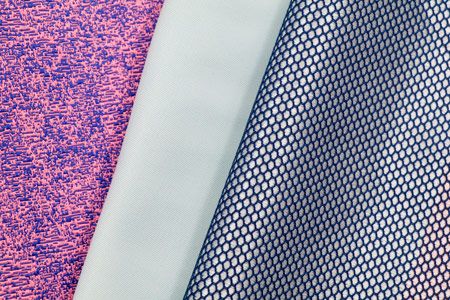
The heart of sustainable gear innovation lies in the materials. Scientists and designers are looking to nature and waste streams for inspiration, leading to breakthroughs that sound like science fiction.
Next-Gen Recycled Materials
* Recycled Nylon & Polyester: The foundation of the movement, these fabrics are now made from post-consumer waste like plastic bottles and discarded fishing nets. The latest iterations offer even better durability and water resistance.
- Ocean Plastic Yarns: Brands are partnering with initiatives to collect plastic waste from coastlines and oceans, transforming a pollutant into high-performance shell jackets and swimwear.
- Recycled Down & Insulation: Ethical, traceable down has been joined by high-loft insulation made from recycled plastic bottles, providing a superb vegan alternative for cold-weather gear.
- Organic & Recycled Cotton: Moving beyond conventional cotton, which is water-intensive, these options use less water and no harmful pesticides. Look for blends that enhance performance.
- Piñatex: A leather alternative made from pineapple leaf fibers, a byproduct of the fruit industry. It’s now being used for durable, stylish details on shoes and bags.
- Mycelium Leather: The true frontier. Companies are “growing” leather-like materials from mushroom roots (mycelium) in labs, creating a biodegradable, high-quality material soon to hit mainstream packs and accessories.
- PFC-Free DWR (Durable Water Repellent): Traditional waterproofing uses perfluorinated chemicals, which are persistent environmental pollutants. New, effective PFC-free treatments keep you dry without the toxic legacy.
- Bluesign® & OEKO-TEX® Certification: These rigorous standards ensure that textiles are produced with the lowest possible impact on people and the environment, from raw materials to finished product.
- Base Layers: Seek out tops and leggings made from Tencel™, recycled polyester, or merino wool (from ethically managed farms). These materials excel at moisture management and odor resistance.
- Insulation: For jackets and vests, consider recycled synthetic insulation (like PrimaLoft® ThermoPlume) or responsibly sourced, traceable down. Both offer exceptional warmth-to-weight ratios.
- Outer Shells: This is where recycled materials shine. High-performance rain jackets and hiking pants made from recycled nylon with PFC-free coatings are now the benchmark for leading brands.
- Ready to refresh your wardrobe? Begin with one key piece, like a shell jacket, and build from there.
- Materials: Look for uppers made from recycled polyester, organic cotton, or innovative leather alternatives like Piñatex. Outsoles are increasingly using recycled rubber or natural rubber from responsibly managed plantations.
- Construction: Brands are minimizing glue use with stitch-down or welded construction and designing shoes for easier disassembly and recycling at end-of-life—a concept known as circular design.
- Socks: Don’t forget your feet! Socks made from recycled nylon or merino wool are durable, comfortable, and sustainable.
- Fabrics: The majority of new sustainable packs use high-denier recycled nylon or polyester for the main body, which is just as tough and abrasion-resistant as virgin material.
- Hardware: Innovations include buckles and zippers made from recycled metals, and webbing dyed with low-impact processes.
- Design: Ergonomics remain key, with many brands using 3D modeling to create packs that carry weight perfectly, encouraging you to use them for a lifetime.
- Tents: Flysheets and floors made from recycled materials are now common. The best brands also use solvent-free seam taping and PFC-free rain protection.
- Sleeping Bags & Pads: Similar to apparel, insulation is key. Choose bags with recycled synthetic fill or ethical down. Sleeping pads are now available with recycled face fabrics and plant-based insulation.
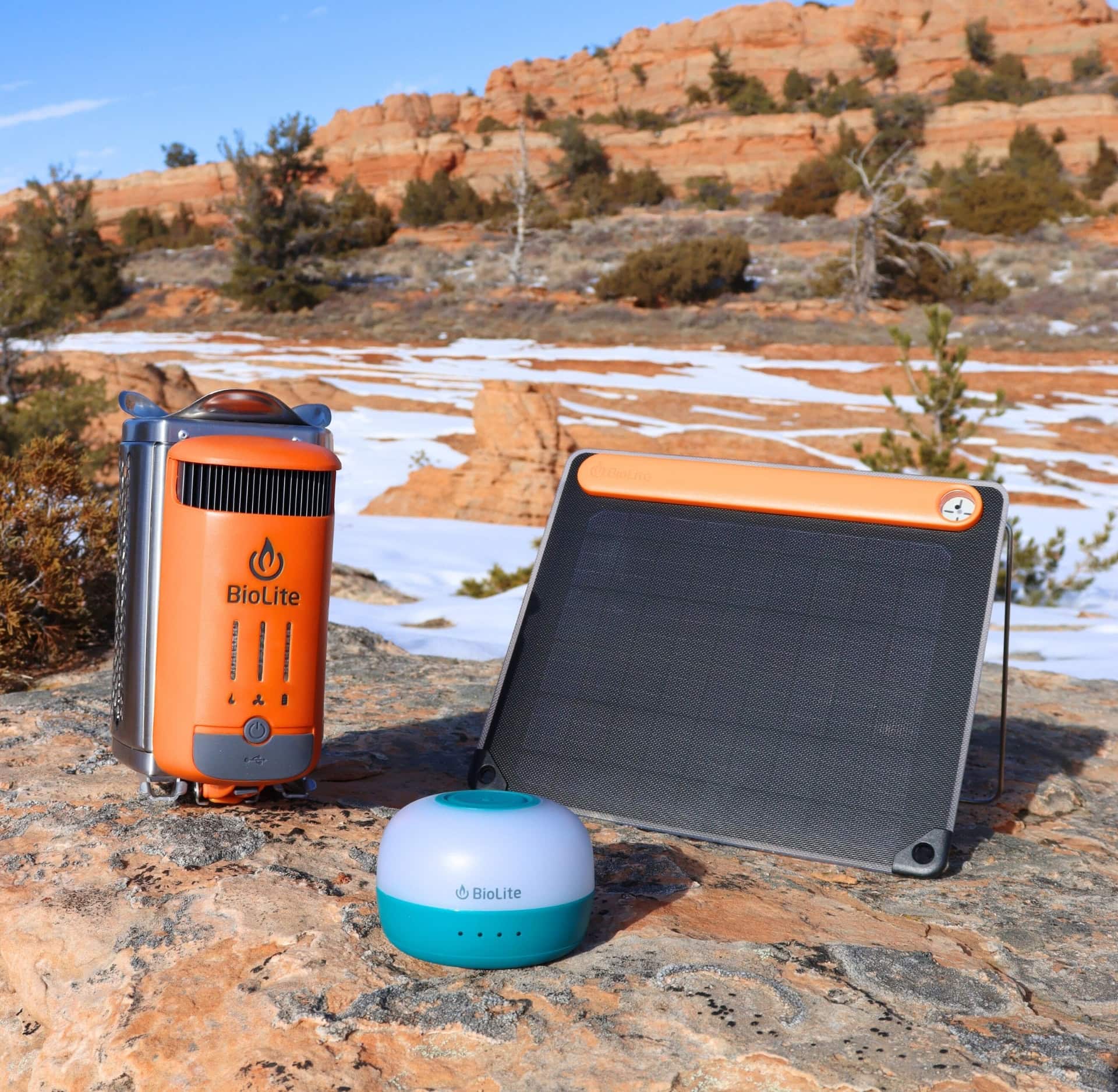
- Cookware: Opt for durable stainless steel or aluminum sets over single-use options. Brands are also creating efficient, clean-burning stoves that minimize fuel consumption and emissions.
- Look For: Reinforced stress points, robust zippers, and brands that offer repair services or sell repair kits. A lifetime warranty is often a sign of a product built to last.
- Action: Learn basic repair skills like patching a hole or fixing a strap. It extends your gear’s life immensely.
- Wash Smart: Use gentle, biodegradable detergents specifically for technical fabrics. Wash less frequently and only when necessary. Air-dry instead of using a dryer to save energy and preserve material integrity.
- Re-Waterproof: Revive the DWR coating on your shell by washing it and then using a heat source (like a tumble dryer on low or an iron on gentle) to reactivate it. Only reapply a PFC-free wash-in or spray-on treatment when absolutely needed.
- Sell or Donate: Gear in good condition can find a second life through platforms like REI Used Gear, Geartrade, or local outdoor consignment shops. Donate functional items to organizations that outfit youth or community groups.
- Upcycle: Get creative! An old tent fly can become a bike cover, and worn-out base layers make great cleaning rags.
- Look for Specifics: Vague terms like “eco-friendly” or “green” are red flags. Credible brands are transparent. They’ll state exactly what a product is made from (e.g., “85% post-consumer recycled polyester”).
- Check for Certifications: Trusted third-party labels provide verification. Key ones to look for include:
- Bluesign®: For safe and sustainable textile production.
- Fair Trade Certified™: Ensures safe working conditions and fair wages.
- Global Recycled Standard (GRS): Verifies recycled content.
- Responsible Down Standard (RDS): Guarantees ethical down sourcing.
- Research the Brand’s Holistic Practices: A sustainable product from an unsustainable company is a half-measure. Look into a brand’s overall mission. Do they have climate action goals? Are they B-Corp certified? How do they treat their workers?
- Beware of “Sustainable” Collections: Sometimes, a brand will launch one “eco” line while the bulk of its business remains unchanged. Support companies where sustainability is integrated into their core model.
- Circularity as Standard: The goal is a true circular economy where gear is designed from the start to be repaired, resold, and eventually broken down to become raw material for new gear. Brands are investing in take-back logistics and material recycling technologies.
- Carbon-Neutral Production: More companies are calculating their entire carbon footprint—from raw material extraction to shipping—and investing in verified offsets or renewable energy to achieve net-zero emissions.
- Hyper-Local and Regenerative Sourcing: Imagine a backpack made from materials sourced and manufactured within a few hundred miles of where you live, supporting local economies and drastically reducing transport emissions. Some small brands are already pioneering this.
- Bio-Integrated Design: Beyond materials, scientists are exploring how gear can actively benefit the environment, like tent coatings that capture airborne pollutants.
Plant-Based & Bio-Fabricated Innovations
* Tencel™ Lyocell & Modal: Sourced from sustainably harvested wood pulp (often beech or eucalyptus), these fibers are produced in a closed-loop system that recycles water and solvents. The result is incredibly soft, moisture-wicking fabric perfect for base layers and activewear.
Responsible Construction & Treatments
Innovation isn’t just about the primary material. Look for:
Pro Tip: When shopping, look for specific material breakdowns on the product tag or website. A brand that highlights its use of “100% recycled nylon with a PFC-free DWR finish” is showcasing its commitment to the latest standards.
Gear by Category: Upgrading Your Kit for the Planet
Let’s get practical. Here’s a breakdown of the latest and greatest sustainable options for every piece of your adventure kit.
Apparel: From Base Layers to Shells
Your clothing is your first layer of protection and a great place to start your sustainable shift.
Footwear: Treading Lightly
Modern sustainable shoes are built for miles of comfort and minimal impact.
Packs & Bags: Carrying Your Commitment
Your backpack is your mobile home. New models prove you don’t have to sacrifice organization or comfort for sustainability.
Camping & Sleep Systems: Resting Responsibly
Enjoy a guilt-free night under the stars with a cleaner camp setup.
Beyond the Purchase: The Lifecycle of Your Gear
True sustainability isn’t just about the buy; it’s about what happens before and long after.
Choosing for Durability and Repairability
The most sustainable gear is the gear you already own. When buying new, prioritize quality and repairability.
Proper Care and Maintenance
How you care for your gear directly affects its lifespan and environmental impact.
End-of-Life: Recycling and Resale
When gear truly reaches its end, keep it out of the landfill.
Brand Take-Back Programs: Many leading outdoor companies now have programs to take back their old products for recycling or responsible disposal. Patagonia’s Worn Wear and The North Face’s Renewed* are pioneering examples.
Have an old piece of gear you’re not sure what to do with? Research the manufacturer’s website first—you might be surprised by the recycling options available.
How to Spot Greenwashing and Make Informed Choices
With sustainability becoming a selling point, “greenwashing”—making misleading environmental claims—is a real concern. Here’s how to be a savvy shopper.
Your most powerful tool is curiosity. Don’t hesitate to reach out to a company’s customer service to ask about their materials or policies. The best brands will be proud to share their story.
The Future is Green: What’s Next for Sustainable Adventure Gear?
The innovation curve is steep and exciting. Here’s what’s on the horizon for the conscious adventurer:
The trajectory is clear: sustainability is becoming inseparable from performance and design. By choosing these products today, you’re accelerating this positive future.
Conclusion: Your Next Adventure Awaits—Responsibly
Building an eco-friendly adventure kit is an ongoing journey, not a single destination. It’s about making more thoughtful choices, one piece of gear at a time. You now have the knowledge to seek out the latest materials, support innovative brands, and care for your equipment in a way that honors the very landscapes you love to explore.
Remember, the most sustainable adventure is the one that leaves no trace, and that philosophy starts with what you pack. Your gear is a tool for connection—to nature, to challenge, and to a community that believes in protecting our playground. So lace up those recycled-trail-runner-clad feet, shoulder your pack made from ocean plastic, and step out with confidence. The path forward is green, and it’s leading to the most rewarding adventures yet.
Start your sustainable gear journey today. Browse our curated list of leading eco-conscious brands and find the perfect piece for your next outing. Share your own sustainable finds and tips with our community using #GreenAdventureGear—we’d love to see how you’re exploring responsibly.
—
FAQ: Your Sustainable Gear Questions, Answered
Q: Is sustainable outdoor gear more expensive?
A: While some cutting-edge sustainable items can carry a premium due to R&D costs, the price gap is closing rapidly. Furthermore, because this gear is often built with superior durability in mind, it represents a better long-term value. You’re investing in quality that lasts, saving money and resources over time.
Q: Can recycled materials really perform as well as new ones for tough conditions?
A: Absolutely. The technology has advanced tremendously. High-tenacity recycled nylon and polyester now meet the same rigorous standards for tear strength, abrasion resistance, and waterproofing as virgin materials. Many professional athletes and guides rely on recycled-material gear for extreme expeditions.
Q: How do I dispose of a piece of gear that’s truly beyond repair?
A: First, check the manufacturer’s website for a take-back or recycling program. If none exists, look for local textile recycling facilities—some accept technical fabrics. As a last resort, remove any metal hardware (zippers, buckles) for separate scrap metal recycling before disposing of the fabric remains.
Q: What’s the single most impactful change I can make to my gear closet?
A: Shift your mindset from “fast outdoors” to “slow outdoors.” The most impactful action is to buy less, but buy better. Prioritize versatile, durable, repairable items you’ll use for years. Maintaining and loving the gear you already own is the ultimate sustainable practice.