Delicious Plant-Based Camping Recipes and Food Hacks for Healthy Backpackers in 2026
Introduction
Picture this: you’ve just hiked to a breathtaking alpine vista as the sun begins to set. Your muscles are tired, your mind is clear, and your stomach is rumbling. Instead of reaching for another bland, processed energy bar, you pull out a compact stove and, within minutes, are savoring a warm, flavorful, and nourishing plant-based meal that tastes like it came from a gourmet kitchen.
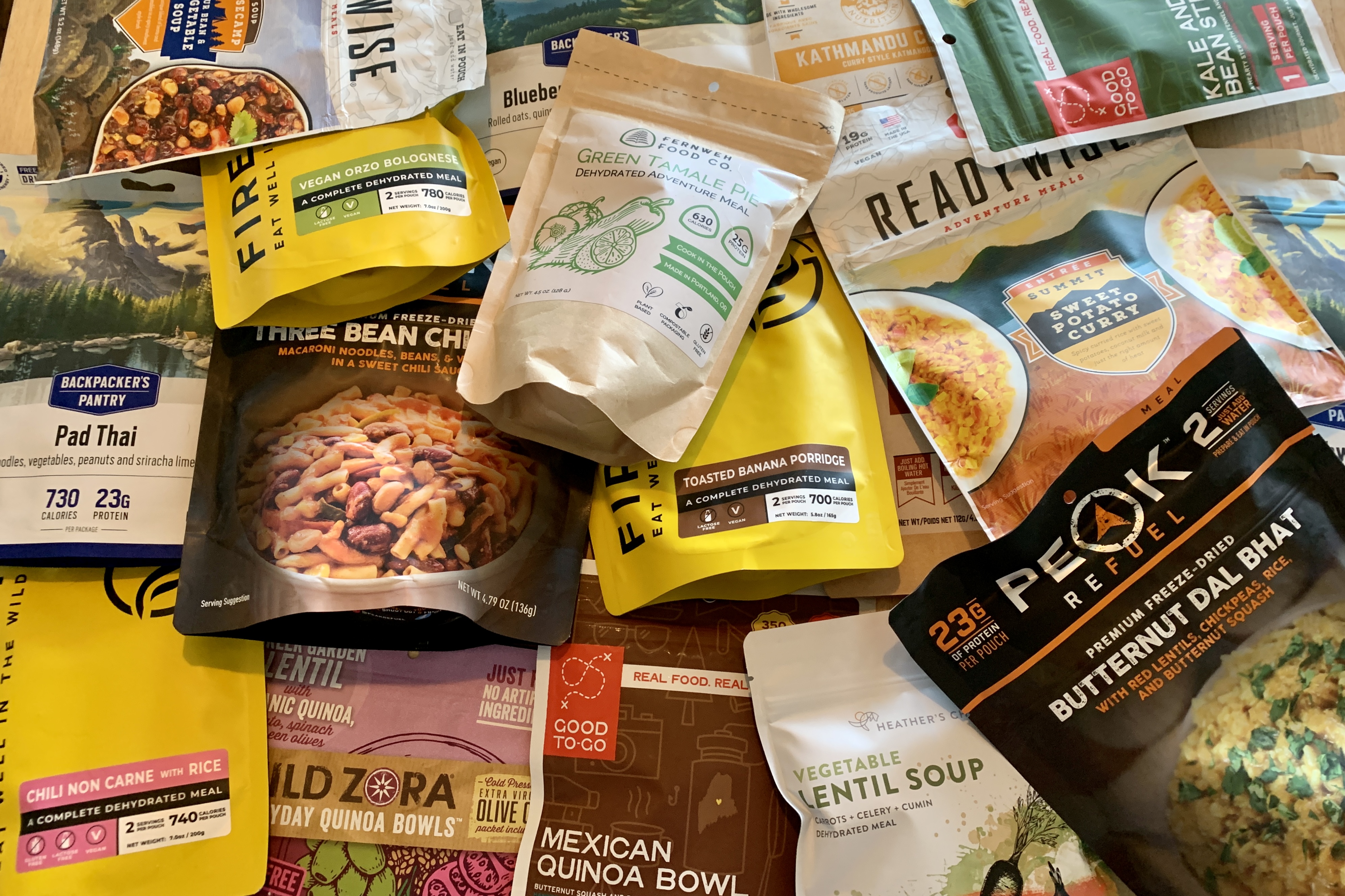
This isn’t a fantasy—it’s the 2026 reality of backpacking. The intersection of outdoor adventure and plant-based living has never been more exciting or accessible. Gone are the days of heavy canned beans and sad, rehydrated vegetables. Today’s healthy backpacker leverages cutting-edge food technology, clever preparation hacks, and delicious, nutrient-dense recipes to fuel epic journeys.
Whether you’re a seasoned vegan trekker or simply looking to incorporate more plants into your trail diet, this guide is your blueprint. We’ll explore mouthwatering recipes designed for minimal weight and maximum flavor, uncover the latest food preservation and prep hacks, and ensure you hit the trail with energy to spare. Let’s transform your next backpacking trip into a culinary adventure.
Why Go Plant-Based on the Trail in 2026?
Choosing a plant-based diet for backpacking isn’t just an ethical or environmental choice anymore; it’s a strategic performance decision. The advancements in food science and nutrition have made plant-powered fueling the smart choice for endurance.
- Enhanced Energy & Recovery: Plant-based foods are rich in complex carbohydrates, the primary fuel for sustained hiking. They also reduce inflammation, thanks to phytonutrients and antioxidants, leading to quicker recovery at camp.
- Lightweight & Efficient: Modern plant-based proteins from sources like peas, lentils, and algae are dehydrated into incredibly light and compact forms, offering more calories per ounce than many traditional options.
- Improved Digestibility: A fiber-rich diet keeps your digestive system running smoothly, a crucial factor when you’re on the move. The right balance prevents the sluggishness that can come from heavy, processed meats and cheeses.
- Sustainability: With a growing focus on Leave No Trace principles, a plant-based meal plan inherently has a lower environmental footprint, aligning your fuel with your love for the outdoors.
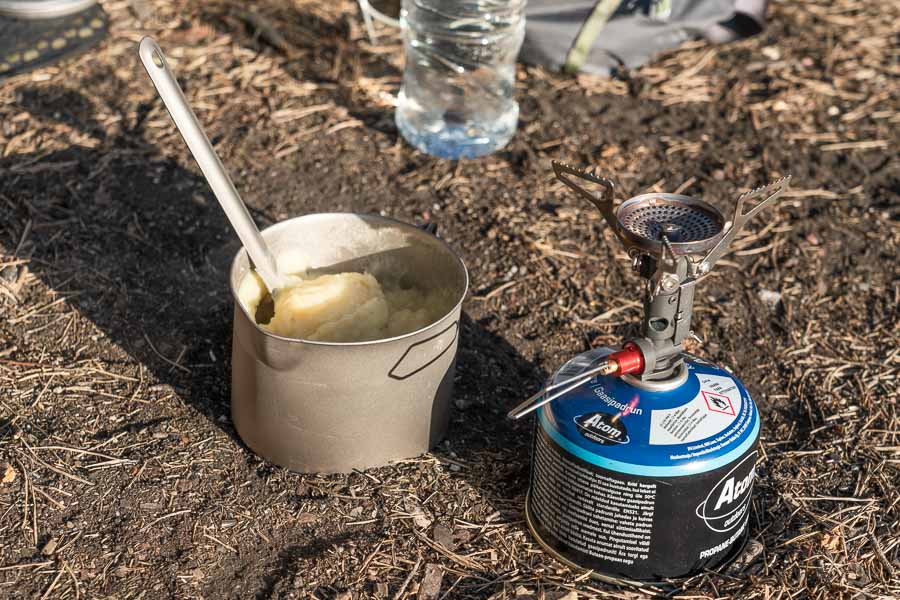
- Ultralight Cooking System: A titanium pot (750-900ml) and an efficient canister stove remain classics. For 2026, keep an eye on solar-powered induction cookers becoming more trail-viable.
- Insulated Food Jar: A game-changer for “no-cook” meals. Soak oats, noodles, or lentils in boiling water in the morning, stash it in your pack, and enjoy a hot lunch hours later with zero fuel use.
- Dehydrator: The ultimate pre-trip investment. Home-dehydrating allows you to create custom, preservative-free meals, from marinated tofu to fruit leathers, saving money and weight.
- Reusable Silicone Bags & Containers: Ditch single-use plastic. These are lightweight, seal tightly, and can be used for mixing, marinating (pre-trip), and storing leftovers.
- Compact Spice Kit: Flavor is weightless. Assemble a tiny kit with salt, pepper, nutritional yeast (“nooch” for cheesy flavor), garlic powder, chili flakes, and a custom curry or taco blend in small, labeled straws or mini containers.
- Dehydrate in Batches: Cook and dehydrate staples like quinoa, black beans, lentils, and chickpeas. Chop and dehydrate vegetables like bell peppers, zucchini, mushrooms, and onions. Store them in your pantry for last-minute trip packing.
- Create “Just-Add-Water” Meal Bags: Assemble complete dinners in individual reusable bags. Include dehydrated proteins, veggies, starches, and seasonings. Label them clearly (e.g., “Coconut Curry Lentils”).
- Make Your Own Energy Sources: Blend dates, nuts, seeds, and plant-based protein powder to form energy balls. Press into bars and wrap in parchment paper. They’re more nutritious and flavorful than store-bought options.
- Pre-Mix Breakfast & Drink Powders: Combine rolled oats, chia seeds, powdered plant milk, and cinnamon for instant oatmeal. Mix electrolyte powder with tangy hibiscus or green tea powder for a refreshing drink mix.
- In your jar, combine: 3 tbsp chia seeds, 2 tbsp rolled oats, 1 scoop vanilla plant protein powder, 1 tbsp cocoa powder (optional).
- At camp: Add about 1 cup of cold water (or pre-measured powdered plant milk + water), stir vigorously, and let sit for 10 minutes. Top with a handful of homemade dehydrated berries or banana chips.
- In a bag: 1/2 cup chickpea flour, 1 tbsp nutritional yeast, 1 tsp onion powder, 1/2 tsp turmeric, salt, pepper, and dried herbs (kala namak salt adds an “eggy” flavor).
- At camp: Mix the dry contents with ~2/3 cup water in your pot to form a batter. Cook over medium heat, stirring constantly, until it thickens into a scramble (5-7 minutes). Enjoy with whole-grain crackers.
- Pack separately: Whole grain tortillas (they pack flat), a single-serve packet of hummus or sunflower seed butter, and a mix of durable veggies (dehydrated olives, sun-dried tomatoes, spinach powder).
- At lunch: Spread, sprinkle, wrap, and eat. The components stay fresh separately, and you can create a different flavor combo each day.
- In a container: 1/2 cup whole wheat couscous, a handful of dehydrated corn and peas, 1 tbsp chopped dried apricots, 1 tbsp slivered almonds, and a spice packet (cumin, coriander, lemon powder).
- At lunch: Add boiling water to just cover, seal the container, and let sit for 5 minutes. Fluff with a fork—a fresh, satisfying salad is ready.
- In a bag: 3 oz whole grain rotini or angel hair pasta (breaks easily to fit), 1/4 cup red lentils, 1/4 cup chopped sundried tomatoes, 1 tbsp vegan “Parmesan” (blended nuts + nooch), 1 tsp Italian herbs, garlic powder.
- At camp: Boil 2 cups of water in your pot. Add the entire contents of the bag (except “Parmesan”). Simmer for 10-12 minutes until pasta and lentils are tender. Stir in the “Parmesan” until creamy. Let stand for 2 minutes—it will thicken perfectly.
- In a bag: A bundle of soba noodles, 1/4 cup dehydrated mixed veggies (bell pepper, carrot, edamame), 2 tbsp powdered peanut butter, 1 tsp miso paste (in a small separate bag), 1/2 tsp ginger powder, chili flakes.
- At camp: Cook soba noodles in boiling water for 5 minutes. Drain, leaving about 1/2 cup of water in the pot. Return noodles to pot, add veggies and spices, and stir. Squeeze in the miso paste and mix until you have a glossy, flavorful sauce.
- Hydration Hack: Add a pinch of salt and a splash of 100% citrus juice powder to your water for a natural, sugar-free electrolyte boost that encourages drinking.
- Campfire Banana Boats: For a base-camp treat, slice a banana lengthwise (peel on). Stuff with dark chocolate chips and mini vegan marshmallows. Wrap tightly in foil and warm by the fire for 5 minutes.
- Bear Safety: Plant-based food is still bear food! Use bear canisters or hang food properly. Scented items like spices and even toothpaste must be stored.
- Water Purification: Always treat water from natural sources, regardless of how clean it looks. A lightweight filter or purification tablets is non-negotiable for preventing illness.
The key takeaway for 2026 is customization. With personalized nutrition apps and DNA-based diet insights becoming mainstream, backpackers can now tailor their plant-based meal plans to their specific metabolic needs and the demands of their route.
Essential Gear for the Modern Plant-Based Backpacker
Your kitchen is your backpack. Having the right tools is half the battle for creating delicious meals.
Pre-Trip Prep: Your Weekend Food Hack Session
Success on the trail begins in your home kitchen. A few hours of prep prevent “hangry” moments at 10,000 feet.
Breakfasts to Jumpstart Your Day
1. Sunrise Chia-Power Pudding Jar
No cook required! Prep this the night before in your insulated jar.
2. Savory Herbed Chickpea Scramble
A hearty, protein-packed alternative to sweet breakfasts.
Lunches for Sustained Energy
1. The Infinite Wrap
The ultimate customizable, no-soggy lunch.
2. Insta-Fuel Couscous Salad
Couscous hydrates almost instantly with no cooking.
Dinners Worth the Ascent
1. One-Pot Creamy Sundried Tomato & Lentil Pasta
Comfort food that fuels recovery.
2. Spicy Peanut Soba Noodle Bowl
An umami-packed, restaurant-quality meal.
Smart Snacks, Hydration & Desserts
* Trail Mix 2.0: Go beyond nuts and raisins. Add wasabi peas, dark chocolate-covered espresso beans, roasted chickpeas with BBQ seasoning, and coconut flakes.
Food Safety & Leave No Trace for Plant-Based Backpackers
Your responsible practices are as important as your recipes.
Waste Management: Pack out everything*: food scraps, used tea bags, and even leftover wash water strained through a bandana. “It’s biodegradable” is not a valid excuse in fragile alpine environments.
Conclusion: Your Next Adventure Awaits
Backpacking in 2026 is an invitation to experience the wilderness without compromising on flavor, nutrition, or your values. By embracing these delicious plant-based camping recipes and food hacks, you’re not just packing food; you’re packing motivation, health, and joy. The simplicity of a one-pot wonder after a long day, the burst of energy from a homemade snack, and the knowledge that your footprint is light—these are the elements that elevate a simple hike into a profoundly fulfilling journey.
Ready to taste the trail? Start this weekend by dehydrating one vegetable and testing a recipe in your backyard. Share your creations with the community using #PlantPoweredTrails2026. The path to better backpacking meals is clear, and it’s paved with plants.
—
FAQ: Plant-Based Backpacking in 2026
Q: I’m new to plant-based eating. Won’t I lack protein on a multi-day trip?
A: Not at all! With careful planning, it’s easy to meet protein needs. Focus on incorporating lentils, chickpeas, tofu (pre-cooked and dehydrated), tempeh bacon, nuts, seeds, and high-quality plant-based protein powders into your meals and snacks. The recipes above are specifically designed for adequate protein.
Q: How do I handle perishables like fresh tofu or tempeh?
A: For trips of 2-3 days, pre-cooked, marinated, and vacuum-sealed tofu can stay safe in a cool part of your pack (especially if you start with it frozen). For longer trips, rely on shelf-stable options like dehydrated tofu crumbles, canned (then repackaged) beans for the first night, or tempeh bacon (which is shelf-stable).
Q: Are plant-based backpacking meals more expensive?
A: Initially, specialty items can be pricier. However, the real cost-saving hack is DIY. Buying dried beans, grains, and vegetables in bulk and dehydrating your own meals is significantly cheaper than buying pre-packaged freeze-dried meals (plant-based or not) in the long run.
Q: What’s the one piece of gear I shouldn’t skip?
A: An accurate digital scale. Weighing your food portions is critical for nailing your nutrition needs, managing pack weight, and ensuring you have just the right amount of fuel—no wasteful leftovers to pack out.