The Ultimate Guide to Family Adventures: Easy Trails, Safe Gear & National Park Magic for 2026
Imagine this: your toddler’s face lighting up as they spot a chipmunk darting across the path. The sound of your kids’ laughter echoing through a pine forest instead of bouncing off the living room walls. The shared pride of reaching a scenic overlook together. Getting your family outdoors isn’t just a weekend activity; it’s building a treasure trove of memories and instilling a lifelong love for nature. But let’s be honest—the thought of hiking with toddlers or planning a camping trip can feel overwhelming. Where do you even start?
This guide is your friendly, step-by-step map to stress-free family fun outside. We’ll cover the best easy trails for kids, non-negotiable safe family camping gear, and a sneak peek at what’s coming for national parks in 2026. Whether you’re prepping for a backyard adventure or an iconic park visit, you’ll find actionable tips to make your next family outdoor activity a roaring success.
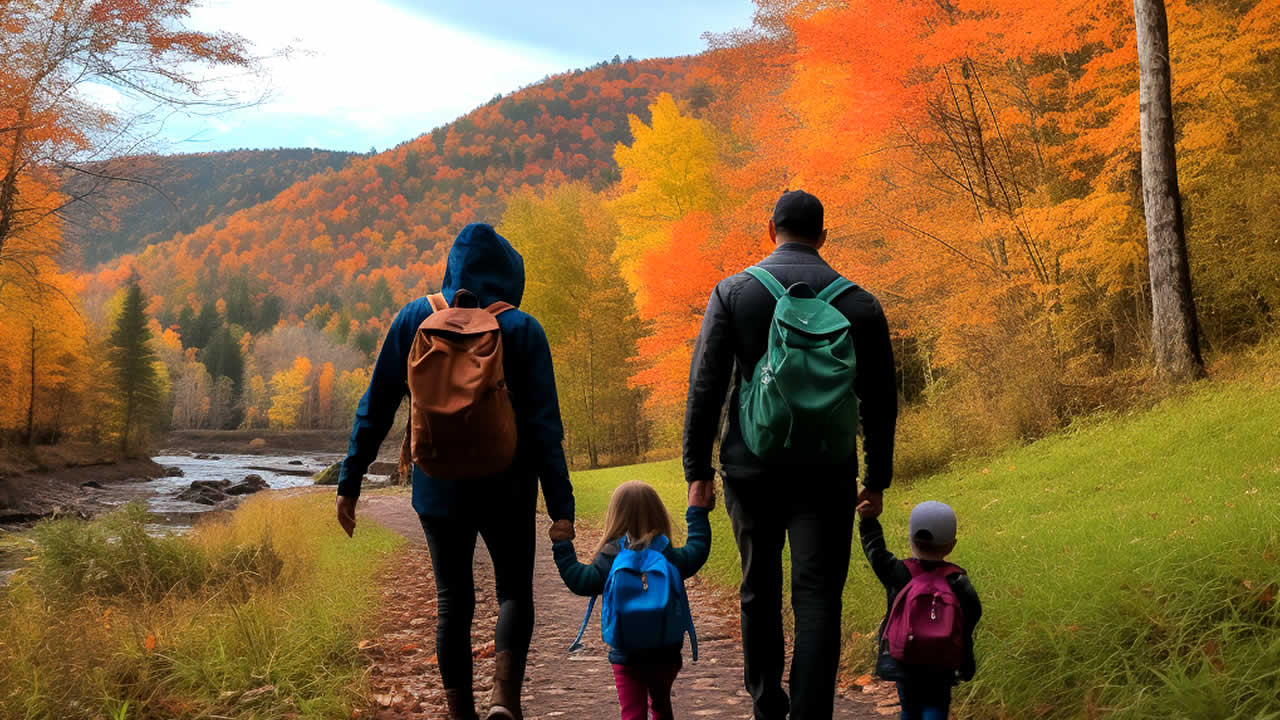
Why Family Time in Nature is Non-Negotiable
Before we pack the backpacks, let’s talk about the “why.” In our screen-saturated world, the benefits of outdoor play are more critical than ever. It’s not just about fresh air; it’s about development. Unstructured time in nature boosts creativity, reduces stress (for parents and kids alike!), and improves focus. It teaches resilience, curiosity, and respect for our environment.
The goal isn’t the summit; it’s the experience. A successful family hike might be only half a mile, filled with stops to throw rocks in a creek or examine a cool bug. Shift your mindset from distance covered to wonders discovered. This approach removes pressure and opens the door to genuine joy and connection, the true heart of any family outdoor activity.
Finding the Perfect Trail: Easy Does It!
The secret to happy kids on the trail? Choosing the right path. An “easy” trail for adults can be a marathon for little legs. Here’s what to look for and some fantastic options to get you started.
What Makes a Trail “Kid-Friendly”?
* Short & Sweet: For toddlers and preschoolers, aim for 1 mile or less. School-age kids can often handle 1-3 miles, especially with engaging scenery.
- Minimal Elevation Gain: Look for “flat” or “gentle” in the description. A steep climb leads to whining and carrying kids, which is no fun for anyone.
- High Interest Factor: Trails with a payoff—a waterfall, a lake, a cool rock formation, or a field of flowers—keep motivation high. Loop trails are often more exciting than out-and-backs.
- Safe Terrain: Well-maintained, wide paths without dangerous drop-offs are ideal for wobbly walkers and wandering eyes.
- The Waterfall Trail: The promise of crashing water is a powerful motivator.
- The Lakeside Loop: Water equals play. A simple walk around a pond or lake offers wildlife viewing and plenty of stone-skipping opportunities.
- Snacks as Fuel (and Bribery): Pack a variety of high-energy, low-mess snacks. Think raisins, granola bars, apple slices, and crackers. Use them as motivation to reach the next bend in the trail.
- Play-Based Hiking: Turn the hike into a game.
- “I Spy” with natural colors and shapes.
- Scavenger Hunt: Give them a list (a smooth rock, a yellow leaf, a pinecone).
- Storytelling: Make up a story about where the trail leads.
- Dress for (Messy) Success: Layers are key. Avoid cotton, which stays cold and wet. Opt for quick-dry pants and shirts, a warm fleece, and a waterproof shell. Don’t forget a sun hat and extra socks!
- Sleeping Bags & Pads: Kids get cold easily. Ensure they have age-appropriate, temperature-rated sleeping bags. An insulated sleeping pad is non-negotiable—it provides cushioning and critical insulation from the cold ground.
- Nighttime Essentials: Headlamps for each kid (they’re safer than flashlights and more fun), and a dedicated lantern for the tent. Pack a favorite stuffed animal or blanket for home comfort.
- Cooler: A high-quality cooler keeps food safe (below 40°F) and prevents wildlife issues. Always store your cooler in your car or a provided food locker at night.
- Hydration: Everyone needs their own water bottle. Consider a large, portable water jug with a spigot for camp to minimize plastic waste.
- Band-aids (fun shapes are a bonus!)
- Antiseptic wipes
- Hydrocortisone cream for bug bites
- Children’s pain reliever/fever reducer
- Tweezers (for splinters)
- Emergency whistle and a physical map of the area
- Always do a tick check at the end of every day outdoors.
- Enhanced Accessibility: More projects like wheelchair-friendly trails, sensory gardens, and accessible campgrounds, making parks enjoyable for all abilities.
- Digital Integration: Expect improved apps with augmented reality features for trail maps, interactive junior ranger programs, and virtual queues for popular attractions to reduce crowding.
- Focus on Storytelling: New programs highlighting diverse histories and cultures connected to the parks, offering richer, more meaningful experiences for you and your kids.
Top Picks for Easy Trails for Kids (Nationwide Ideas)
* The Nature Trail Concept: Many national parks and state parks have specific, paved or boardwalk “nature trails” under a mile. They’re often accessible for strollers and packed with interpretive signs.
Example:* The Trail of the Cedars in Glacier National Park is a stunning, flat 0.7-mile loop on a boardwalk through an ancient forest.
Example:* The Lower Falls Trail at Yellowstone’s Grand Canyon of the Yellowstone is mostly paved and offers breathtaking views for a minimal walk.
Example:* The Lily Lake Loop in Rocky Mountain National Park is a flat, scenic 0.8-mile trail perfect for all ages and abilities.
Pro Tip: Use apps like AllTrails and filter searches for “Kid Friendly” and “Stroller Friendly.” Always read recent reviews from other families for current trail conditions.
Hiking with Toddlers: Your Survival Guide
Hiking with toddlers is a unique adventure category of its own. It requires a blend of preparation, patience, and lowered expectations. Here’s how to make it a win.
The Mindset Shift: It’s a Walk, Not a Hike
Your toddler will want to stop every ten feet. They will collect 47 rocks, 32 sticks, and examine every ant hill. This is the point. Build in 2-3 times the amount of time you think you’ll need.
Essential Toddler Hiking Strategies
1. The Power of the Carrier: Even if your toddler is a walking champ, a comfortable child carrier backpack is a lifesaver for when little legs get tired, or you need to cover ground quickly. It’s a top item on any safe family camping gear list.
The Safe Family Camping Gear Checklist
Having the right gear is what separates a magical camping memory from a miserable night. You don’t need the most expensive equipment, but you do need reliable, safe family camping gear.
Shelter & Sleep System: The Foundation of Comfort
* Tent: Choose a tent rated for 2-3 more people than your family. If you have 4 people, get a 6-person tent. This gives you room for gear and prevents middle-of-the-night elbow jabs. Look for easy, quick-setup designs.
Kitchen & Food Safety
* Stove: A simple, reliable camp stove is safer and easier than cooking over an open fire, especially with kids underfoot.
Safety & First Aid: The Non-Negotiable Kit
Your first-aid kit should be tailored for family mishaps:
Looking Ahead: National Parks 2026 and Beyond
The national parks are preparing for a major milestone: the 250th anniversary of the United States in 2026. While official plans are still unfolding, the initiative “America the Beautiful” aims to improve access, conservation, and visitor experience. For families, this could mean:
What this means for your planning: If you’re dreaming of a big national parks 2026 trip, start thinking now. Reservations for campsites and lodges in popular parks open 6-12 months in advance and sell out in minutes. Flexibility with dates and considering lesser-known “gateway” towns or adjacent national forests can be a game-changer.
Making Every Outdoor Activity a Success: Pro Tips
1. Start Small: Your first adventure shouldn’t be a week in the backcountry. Try a picnic in a local park, then a short hike, then an overnight in your backyard before a full camping trip.
Frequently Asked Questions (FAQs)
Q: What’s the best age to start hiking or camping with kids?
A: You can start hiking with babies in a carrier! For front-country camping (drive-up sites), any age can work if you’re prepared. Toddlerhood (2-4 years) is a great time to start with short, engaging adventures.
Q: How do I handle bathroom breaks on the trail with little kids?
A: For potty-trained kids, practice a “trail pee” squat at home. Always carry a small trowel, toilet paper, and ziplock bags for packing out waste in areas without facilities. For diapers, use dedicated scent-proof bags to pack everything out.
Q: I’m worried about wildlife. How do I keep my family safe?
A: Educate yourself on the wildlife in your area. For most parks, the biggest concerns are securing food (use bear boxes/lockers) and giving animals space. Make noise on the trail to avoid surprising animals, carry bear spray where recommended, and always observe from a safe distance.
Q: What’s the one piece of gear you shouldn’t skimp on?
A: Footwear. Proper, broken-in hiking shoes or boots for everyone prevent blisters and slips, which are the fastest way to end a happy hike. For toddlers, sturdy sneakers with good grip are often sufficient for easy trails.
Your Next Adventure Awaits
The trail is calling—and it’s calling your whole family. By seeking out those easy trails for kids, investing in a few key pieces of safe family camping gear, and embracing the joyful chaos of hiking with toddlers, you’re doing more than just planning an outing. You’re building confidence, fostering curiosity, and creating a family culture that values adventure and togetherness. And with the exciting developments on the horizon for national parks in 2026, there’s never been a better time to start.
Ready to begin? This weekend, grab those water bottles, pick a local trail from your research, and take that first step. The memories you’ll make are the greatest souvenir of all.