The Ultimate 2026 Guide to Stress-Free Family Adventures: Easy Trails, Toddler Hikes & Safe Camping Gear
Your Family’s Passport to Adventure: Easy Outdoor Fun for Kids of All Ages
Remember the pure joy of watching your child discover a ladybug on a leaf or the awe in their eyes at their first waterfall? In our busy, screen-filled world, reconnecting with nature isn’t just a nice idea—it’s essential for family bonding and childhood development. But if the thought of hiking with toddlers or planning a camping trip feels more daunting than relaxing, you’re not alone. Many parents worry about safety, meltdowns, and choosing the right gear.
The good news? With a little preparation and the right mindset, introducing your kids to the great outdoors can be incredibly rewarding and surprisingly simple. This comprehensive guide is your roadmap for 2026. We’ll walk you through finding the perfect easy trails for kids, share pro tips for adventuring with little ones, break down the must-have safe family camping gear, and look ahead to what’s new in national parks 2026. Our goal is to transform your apprehension into excitement, equipping you with everything you need to create lasting memories through family outdoor activities.
Let’s turn “Are we there yet?” into “Wow, look at that!”
—

Why Getting Outside is the Best Gift You Can Give Your Family
Before we pack the backpacks, let’s talk about the “why.” Beyond the fresh air and cute photos, regular outdoor time offers profound benefits for every member of the family.
For children, unstructured play in nature boosts creativity, reduces stress, and improves focus. It builds resilience, problem-solving skills, and a foundational respect for the environment. For parents, it’s a chance to unplug, be present, and see the world through your child’s wondrous perspective. Shared outdoor experiences become the stories your family tells for years to come.
A 2025 study from the Children & Nature Network reaffirmed that kids who spend regular time in green spaces show improved cognitive function and emotional well-being. The best part? You don’t need to summit a mountain to reap these rewards. A simple walk in a local forest or an afternoon in a park counts.
Key Takeaway: The goal isn’t the destination or the mileage; it’s the experience of exploring together.
—
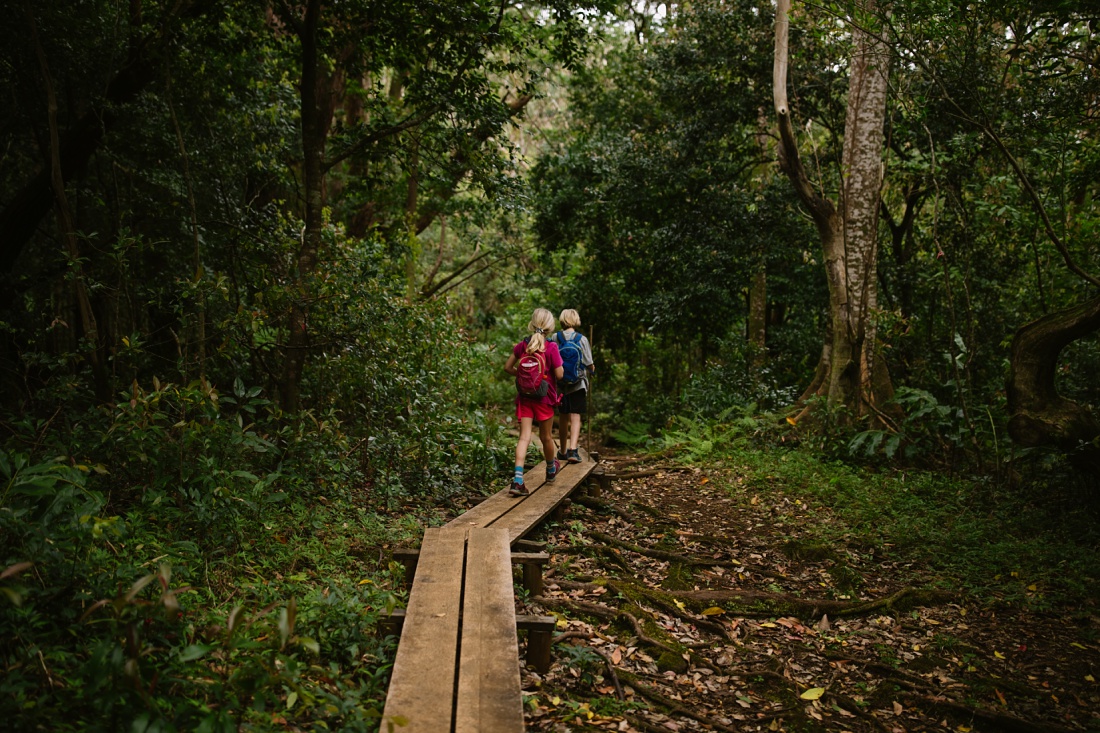
Finding the Perfect Trail: A Guide to Easy Hikes for Kids
Choosing the right trail is the single most important factor for a successful hike. A trail that’s too long or steep can lead to frustration, but a well-chosen path can ignite a lifelong love of hiking.
What Makes a Trail “Kid-Friendly”?
Look for these features when selecting your route:
- Short Distance: For toddlers (2-4 years), aim for 0.5 to 1 mile round trip. For kids 5-8, 1-2 miles is a good target. Always check the round-trip distance!
- Minimal Elevation Gain: Flat or gently rolling terrain is best. A good rule is less than 200 feet of gain per mile for younger kids.
- Engaging Features: Trails with a “payoff” keep little legs moving. Think babbling brooks, giant trees, rock scrambles (small ones!), lakeshores, or even fun bridges.
- Well-Marked & Maintained: Clear signage and a wide, obstacle-free path prevent getting lost and trips/falls.
- Accessible Facilities: Proximity to restrooms (even pit toilets) at the trailhead is a major plus for newly potty-trained adventurers.
- Big Trees Trail (Sequoia National Park, CA): A flat, 1-mile loop on a paved path that winds through a grove of the world’s largest trees. The sheer scale is mesmerizing for all ages.
- Junior Ranger Nature Trail (Great Smoky Mountains National Park, TN/NC): A 0.75-mile loop with interactive signs designed specifically for children, making it both fun and educational.
- Makahiku Falls Trail (Haleakalā National Park, HI): A short, 0.8-mile round trip hike on Maui that leads to a stunning overlook of a 200-foot waterfall. The tropical scenery is unforgettable.
- Trail of the Cedars (Glacier National Park, MT): An accessible, 1-mile boardwalk loop through a cool, ancient cedar forest. It’s stroller-friendly and feels like walking through a fairy tale.
- Make it a Game: Play “I Spy,” look for specific colors in nature, or count how many different birds you hear.
- Timing is Everything: Go in the morning when everyone is fresh and well-rested. Avoid naptime or late afternoon when meltdowns are more likely.
- Check the Weather: Nothing ends fun faster than being too cold, wet, or hot. Dress in layers.
- The Snack Arsenal: Pack twice as many snacks as you think you’ll need. Small, frequent “fuel stops” are magical motivators. Think trail mix, fruit pouches, and crackers.
- The Distraction Kit: Bring a small magnifying glass, a bucket for collecting (non-living) treasures, and a kid-friendly camera or binoculars.
- Sleeping Bags & Pads: Kids lose body heat faster. Ensure they have age-appropriate, temperature-rated sleeping bags. Insulated sleeping pads are non-negotiable for warmth and comfort—they are more important than the bag itself!
- Nighttime Safety: Headlamps for each child (they love having their own) and kid-safe, battery-operated lanterns for the tent. Establish a rule: no leaving the tent at night without a parent.
- Food Storage: In bear country, a bear-proof canister is mandatory for safe family camping. Elsewhere, a sturdy cooler and sealed containers protect food from smaller critters.
- Hydration: Everyone gets their own water bottle or hydration bladder. Portable water filters or purification tablets are smart backups.
- Layers: Avoid cotton (it stays wet). Opt for moisture-wicking base layers, insulating mid-layers (fleece), and waterproof outer layers.
- First-Aid Kit: Go beyond band-aids. Include tick removers, children’s pain reliever, antiseptic wipes, blister treatment, and any personal medications.
- Navigation & Communication: A physical map and compass (and the knowledge to use them) are essential backups to your phone. A portable power bank is a modern must-have.
- Enhanced Junior Ranger Programs: Look for special anniversary-themed activity booklets, badges, and ranger-led events designed for younger visitors.
- Focus on Accessibility: Continued improvements to accessible trails, viewpoints, and visitor centers, making park wonders available to more families.
- Digital Integration: More parks may offer augmented reality (AR) experiences at trailheads or interactive park maps via official apps to engage tech-savvy kids.
- Reservation Systems: To manage crowds and protect resources, advance reservation requirements for popular parks are likely to continue or expand. Bookmark Recreation.gov and plan well in advance.
- Geocaching: A real-world treasure hunt using GPS. It’s a fantastic way to make any walk an adventure.
- Nature Bingo: Create cards with items to find (a feather, a smooth rock, a pinecone, something yellow).
- Campfire Evenings: If camping, end the day with stories, songs, and (the ultimate kid magnet) s’mores.
- Scavenger Hunts: Many state parks and nature centers offer pre-made hunt lists.
- “Leave No Trace” Lessons: Turn responsibility into a game. Teach kids to “take only pictures, leave only footprints” by packing out all trash and leaving natural objects for others to find.
Top Picks for Easy Trails for Kids (Nationwide Examples)
While we look forward to national parks 2026 updates, these classic, gentle trails are perennial family favorites:
Pro Tip: Use apps like AllTrails and filter searches for “Kid Friendly” and “Easy.” Always read recent reviews from other families for current trail conditions.
—
The Art of Hiking with Toddlers: Tips for Happy Trails
Hiking with toddlers requires a shift in perspective. You’re not hiking; you’re facilitating an expedition of discovery. Embrace the slow pace!
Mindset & Preparation
* Lower Expectations Dramatically: Your “hike” may only go 100 yards before your toddler becomes fascinated by a pinecone. That’s a success!
The Toddler Hiking Toolkit
* The Carrier vs. Walking Debate: For children under 3, a sturdy child carrier backpack is essential. Let them walk when they’re eager, but have the carrier ready for when little legs get tired. For older toddlers, plan on carrying them part of the way.
The Golden Rule: Let them lead the pace and focus on engagement, not distance.
—
Safe Family Camping Gear: Your 2026 Essentials Checklist
Having the right safe family camping gear builds confidence and ensures comfort, making camping something your family begs to do again.
Shelter & Sleep Systems: The Foundation of Comfort
* Tent: Choose a tent rated for 2-3 more people than your family size (e.g., a 6-person tent for a family of 4). This gives room for gear and moving around. Look for easy, quick-setup designs.
Kitchen & Food Safety
Camp Stove: A reliable, stable two-burner stove. Always* supervise children closely and establish a “no-play zone” around the cooking area.
Clothing & Safety Gear
* Footwear: Closed-toe, broken-in hiking shoes or sturdy sneakers. No sandals on the trail.
—
Looking Ahead: What’s New for National Parks in 2026
National parks 2026 will be an exciting year as it marks the 110th anniversary of the National Park Service. While official programs are still being finalized, families can anticipate:
Staying Updated: The best resource is the official National Park Service website (nps.gov). Subscribe to newsletters for your favorite parks for the latest on national parks 2026 events.
—
Beyond the Hike: Fun Family Outdoor Activities for Every Season
Hiking is just one door to adventure. Mix up your family outdoor activities with these ideas:
—
Your Next Steps: Turning Planning into Adventure
You’re now equipped with the knowledge to plan incredible, low-stress outdoor adventures. Start small—a local nature preserve this weekend. Borrow or rent safe family camping gear before making big purchases. Let your kids help plan the trip; ownership increases excitement.
The trail is calling. It’s time to answer.
Ready to start planning? Check out the National Park Service’s “Plan Your Visit” page for official park guides and alerts.
What was your family’s first great outdoor adventure? Share your stories and favorite easy trails for kids in the comments below!