Embark on Your Next Epic Adventure with Our Sustainable Trail Guide
Imagine standing at the edge of a pristine alpine meadow, the air crisp and clean, with only the sound of a distant stream and the whisper of the wind through the pines. This is the magic of the trail—a world away from the daily grind, offering both challenge and profound peace. But as more of us seek solace and adventure in nature, our collective footprint grows, threatening the very wild places we cherish. That’s where mindful exploration comes in. This comprehensive sustainable trail guide is your passport to epic adventures that honor the planet. We’ll move beyond the classic “leave no trace” principles to provide a modern, actionable framework for planning, hiking, and preserving the trails for generations to come. Get ready to lace up your boots with purpose and discover how your greatest adventures can also be your most responsible.
Why Sustainable Hiking is the New Adventure Essential
Hiking and backpacking have seen a monumental surge in popularity, especially post-pandemic. While this connection to nature is wonderful, popular trails are facing unprecedented pressure from erosion, litter, and habitat disruption. Sustainable hiking is no longer a niche interest; it’s a critical responsibility for every person who steps onto a path. It’s the conscious shift from being just a visitor in nature to becoming an active steward of it.
This approach enriches your experience exponentially. When you hike sustainably, you engage more deeply with your surroundings. You notice the delicate ecosystems underfoot, understand the history of the landscape, and feel a genuine part of the environment rather than just an observer passing through. The adventure becomes more meaningful because you know you’re helping to protect it.
Key Takeaway: The most rewarding adventures are those that leave the trail better than you found it.

The Pillars of Sustainable Trail Exploration
Our philosophy rests on three core pillars that guide every step of your journey:
- Minimal Impact: Actively reducing your physical and ecological footprint.
- Informed Preparation: Planning with the ecosystem and community in mind.
- Active Stewardship: Going beyond passive hiking to contribute positively.
- Research Trail Conditions: Use official park service websites or trusted apps like AllTrails to check for alerts on overcrowding, required permits, or ecological restoration projects.
- Embrace the “Second Best” Trail: That world-famous route might be booked out months in advance. Look for equally beautiful, lesser-known trails in the same region. You’ll often find more solitude and a more pristine environment.
- Understand Permits: Permit systems aren’t just bureaucracy; they are vital tools for managing visitor numbers and protecting sensitive areas. Apply early and respect the system.
- A small bag for your own trash (ziplock bags work great).
- A separate bag for used toilet paper and hygiene products (opaque, scent-proof).
- A lightweight pair of gloves and a small bag for picking up any litter you find along the way (a powerful act of stewardship).
- Stay on the Designated Trail: Even if it’s muddy. Walking around puddles widens the trail and causes erosion. Waterproof boots are a better solution.
- In Undeveloped Areas: Spread out in pristine zones to avoid creating new trails, but in popular areas, concentrate use on existing trails and campsites to protect the surrounding vegetation.
- Camp at Least 200 Feet from Water: This protects riparian zones and ensures wildlife can access water safely.
- Leave What You Find: That beautiful rock, ancient artifact, or wildflower is part of the ecosystem. Take photos, not souvenirs.
- Minimize Campfire Impact: Use a lightweight camp stove for cooking. If you must have a fire, use only established fire rings, keep it small, and burn all wood to ash. Always, always check for fire bans first.
- Resupply at local gear shops and grocery stores.
- Eat at local restaurants.
- Consider hiring local guides for unique, educational insights into the area.
- Right of Way: Uphill hikers generally have the right of way. Bikers yield to hikers, and everyone yields to horses.
- Be Mindful of Noise: Use headphones if you want music. Let the natural soundscape prevail for you and others.
- A Friendly Greeting: A simple “hello” or nod fosters a positive community atmosphere.
- Participate in a Trail Maintenance Day: Organizations like the Appalachian Trail Conservancy or Pacific Crest Trail Association, and local hiking clubs, regularly host volunteer days. There’s no better way to give back.
- Become a Citizen Scientist: Use apps like iNaturalist to document plant and animal sightings. Your data can help conservation scientists track species health and migration.
- Advocate: Support legislation and organizations that fund public lands and conservation initiatives. Your voice matters.
- Anchor Text: “essential backpacking checklist for beginners” → Link to a beginner gear guide.
- Anchor Text: “how to properly hang a bear bag” → Link to a detailed tutorial article.
- Anchor Text: “best national parks for sustainable travel” → Link to a destination round-up.
- Leave No Trace Center for Outdoor Ethics:
https://lnt.org - American Hiking Society (Volunteer Opportunities):
https://americanhiking.org - AllTrails (Trail Research):
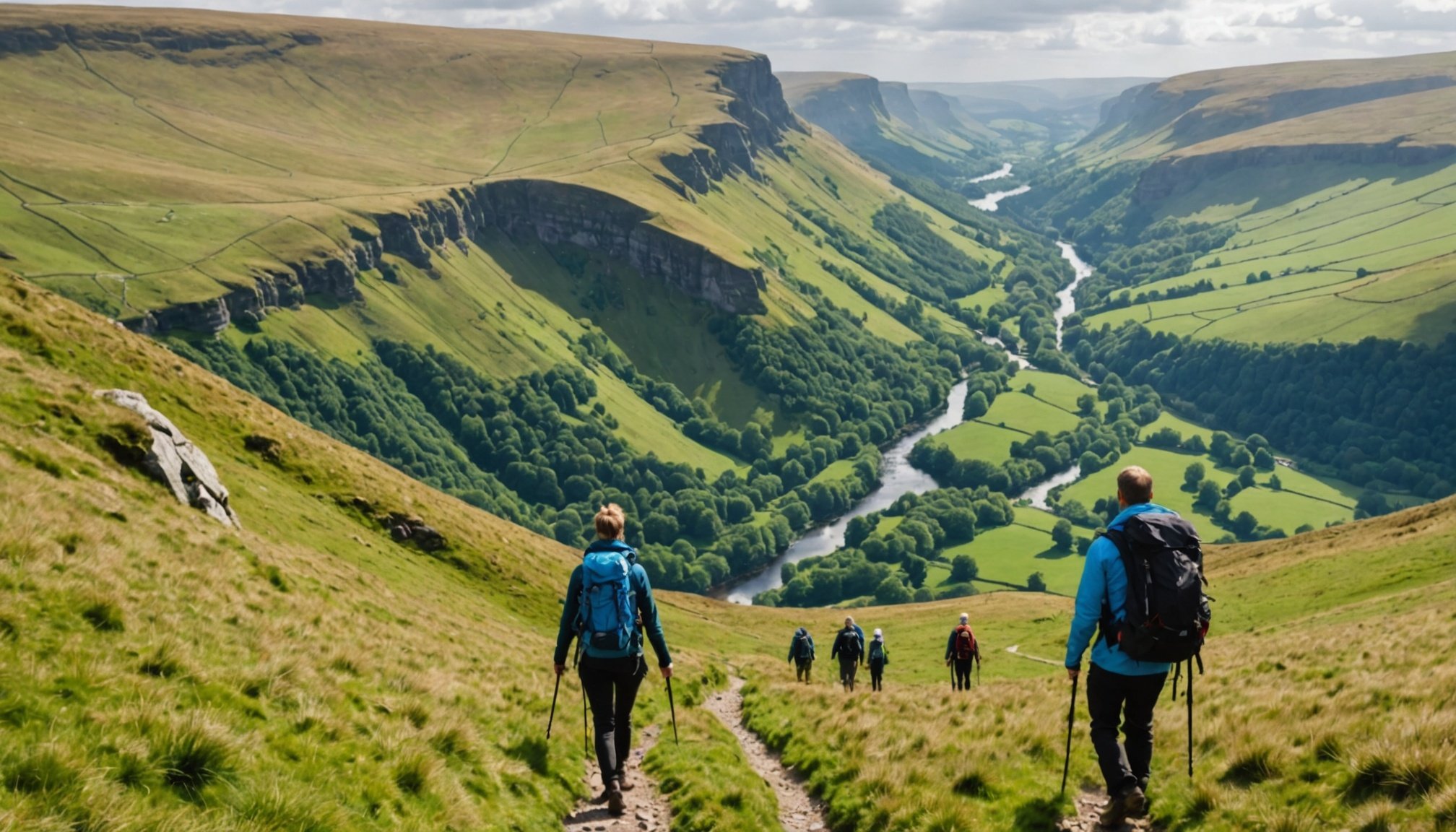
https://alltrails.com - Primary hero image: “Hiker looking out over a pristine mountain valley at sunrise, representing sustainable adventure.”
- Infographic/table image: “Comparison chart of traditional hiking gear versus sustainable eco-friendly alternatives.”
- Action image: “Volunteers working together on a trail maintenance project, building a water bar.”
Phase 1: The Sustainable Pre-Trail Plan
Your adventure’s sustainability is determined long before you take your first step. Thoughtful preparation is the most powerful tool in a responsible hiker’s kit.
Choosing Your Trail with Intention
Over-tourism is a real issue for many iconic trails. Part of sustainable hiking is making choices that distribute impact.
Gear Up with the Planet in Mind
The gear industry has evolved, offering fantastic options for the eco-conscious adventurer.
| Gear Category | Traditional Option | Sustainable Swap | Why It Matters |
| :— | :— | :— | :— |
| Footwear & Apparel | Virgin polyester, PVC-based fabrics | Recycled polyester, organic cotton, natural wool (Merino), PFC-free DWR coatings | Reduces petroleum dependency and toxic chemical runoff. |
| Backpacks & Tents | Nylon/polyester from virgin materials | Brands using recycled fabrics (e.g., recycled nylon) and bluesign® certified components. | Lowers carbon footprint and supports circular economies. |
| Sleeping Bags/Pads | Down with questionable sourcing, synthetic fills. | Responsibly Sourced Down (RDS certified) or high-quality recycled synthetic fills. | Ensures animal welfare and reduces waste. |
| Hydration & Food | Single-use plastic bottles, packaged snacks. | Durable water filter/bottle, reusable silicone bags, bulk food repackaged at home. | Eliminates trailhead and on-trail plastic waste. |
Pro Tip: The most sustainable gear is the gear you already own. Use what you have first, repair it when it breaks, and only buy new items when absolutely necessary. When you do buy, invest in quality, repairable products from brands with transparent sustainability ethics.
Pack It In, Pack It Out: The Zero-Waste Trail Kit
Prepare a dedicated “waste kit” for your pack:
Phase 2: On the Trail – The Sustainable Hiker’s Code
This is where your planning turns into action. Every choice matters.
Travel and Camp on Durable Surfaces
This is the cornerstone of minimizing physical impact.
The Leave-No-Trace Refresh: Beyond the Basics
* Dispose of Waste Properly: This includes all waste. For human waste, dig a cathole 6-8 inches deep and at least 200 feet from water, trails, and camp. Pack out your toilet paper in your waste kit—it’s the new gold standard.
Respect Wildlife from a Distance
Use binoculars or a zoom lens for observation. Never feed animals—it alters their natural behaviors, makes them dependent, and can be dangerous. Store your food and scented items (toothpaste, trash) in a bear canister or hang it properly, regardless of whether bears are the primary concern; raccoons and mice are clever pests too.
Ready to put these principles into practice? Download our printable Sustainable Trail Checklist to keep in your pack and ensure you’re always prepared.
Phase 3: The Human Element – Respecting Communities & Culture
Sustainable travel extends to the people and towns that gateways to our adventures.
Support Local Trail Communities
When you stop for a meal, supplies, or lodging, choose local businesses over national chains. This keeps revenue in the community that supports the trail infrastructure you’re enjoying.
Trail Etiquette is Sustainability
A positive social environment is part of a healthy trail.
Your Action Plan: From Hiker to Steward
True sustainability means moving from “doing no harm” to “actively doing good.”
Conclusion: The Trail Awaits—Tread Lightly, Adventure Boldly
An epic adventure isn’t measured by miles alone, but by the depth of your connection to the landscape and the integrity with which you travel through it. By choosing trails wisely, gearing up consciously, following a modern stewardship code, and supporting local communities, you transform your hike from a simple outing into a force for good. The mountains, forests, and deserts are resilient, but they need partners. Let your next journey be a testament to the fact that the greatest adventures and deepest conservation can walk hand in hand. The trail is calling. How will you answer?
Share your sustainable adventure tips and stories with our community using #SustainableTrails. Together, we’re building a legacy of responsible exploration.
—
FAQ: Your Sustainable Hiking Questions, Answered
Q: Is sustainable gear more expensive?
A: Initially, it can be, as it often uses higher-quality, ethically sourced materials. However, this gear is typically more durable and repairable, saving you money in the long run. Remember, using what you already have is the most cost-effective and sustainable choice.
Q: What’s the single most important thing I can do on the trail?
A: Pack out everything you pack in, including all trash and used toilet paper. This directly and visibly prevents pollution and protects wildlife.
Q: How do I find lesser-known trails to reduce overcrowding?
A: Use mapping apps and toggle to view “low traffic” filters. Consult local hiking club websites or guidebooks focused on a specific state or region, which often highlight hidden gems. Rangers at local visitor centers are also excellent sources for recommendations.
Q: Are biodegradable soaps and wipes okay to use in the backcountry?
A: Even biodegradable products need soil to break down and can harm aquatic ecosystems. The best practice is to use plain water for washing. If you must use soap, use a tiny amount of biodegradable soap and wash yourself and dishes at least 200 feet away from any water source.
Q: How can I be a sustainable hiker if I’m flying to a trailhead?
A: Air travel has a significant carbon footprint. You can offset this by choosing direct flights (takeoff/landing uses the most fuel), purchasing carbon offsets from reputable organizations, and ensuring the rest of your trip is hyper-local and low-impact. The goal is progress, not perfection.
—
Internal Link Suggestions:
External Link Suggestions (Open in New Window):
Image Alt Text Suggestions: