Trail-Tested Gourmet: Healthy, Delicious Meals for Weekend Campers and Thru-Hikers
Picture this: you’ve just finished a grueling day on the trail, your legs are tired, and the only thing standing between you and your sleeping bag is dinner. The last thing you want is another bland, mushy meal from a foil pouch. What if you could enjoy a flavorful, nourishing, and genuinely satisfying feast under the stars? The secret to a truly great outdoor adventure isn’t just the gear or the mileage—it’s the food. For weekend warriors and long-distance hikers alike, mastering the art of trail cuisine transforms a good trip into an unforgettable one. This guide is your blueprint for ditching the boring and embracing meals that fuel your body, delight your taste buds, and keep your pack weight in check. Let’s turn your camp kitchen into the highlight of your hike.

Why Your Trail Food Matters More Than You Think
You wouldn’t put low-grade fuel in a high-performance engine, so why do it to your body? On the trail, food is more than just calories; it’s your energy, your mood, and your recovery.
Nutrition is Your Primary Fuel Source. Hiking, especially with a loaded pack, is a demanding physical activity. Your body needs a balanced mix of carbohydrates for immediate energy, proteins for muscle repair, and healthy fats for sustained endurance. Skipping on quality nutrition is the fastest way to hit the dreaded “bonk” or experience unnecessary muscle soreness.
Mental Morale is Tied to Your Taste Buds. After hours of physical exertion, a hot, delicious meal provides a massive psychological boost. It’s a reward, a moment of comfort, and a ritual that marks the end of the day’s effort. A depressing dinner can cast a shadow over your entire evening.
Weight vs. Reward: Finding the Sweet Spot. The classic backpacker’s dilemma: pack heavy, fresh ingredients for a gourmet experience, or go ultralight with processed bars and dehydrated meals? The good news is, you don’t have to choose. With smart planning, you can achieve a perfect balance of low weight, high nutrition, and incredible flavor.
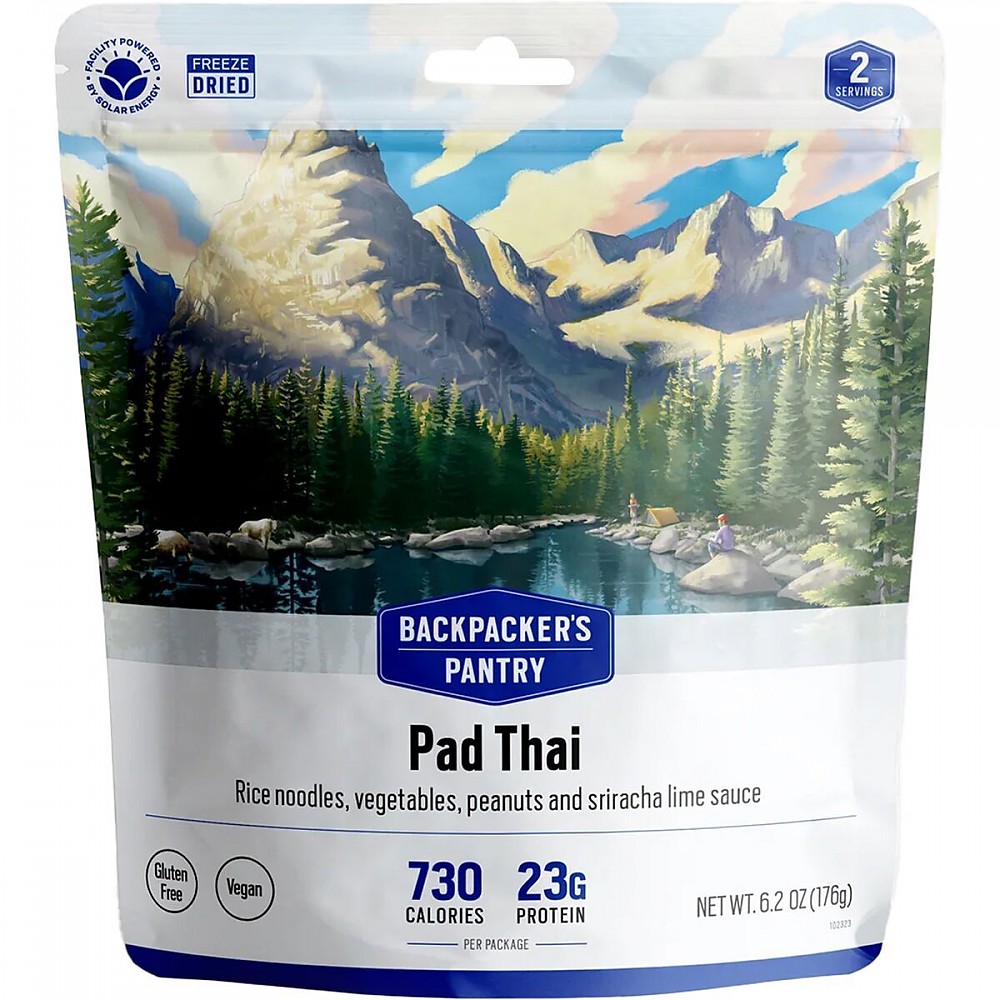
The Backpacker’s Pantry: Building Your Lightweight Larder
Your home kitchen has a fridge and a pantry. Your backpack kitchen needs a strategic, multi-purpose pantry that works for every meal. Here’s what should always be on your shopping list.
The Non-Negotiable Core Ingredients
These staples form the foundation of countless trail meals. They’re shelf-stable, lightweight, and packed with nutrients.
Grains & Carbohydrates: Instant rice, couscous (it cooks fast*), quinoa, quick-cooking oats, and ramen noodles (upgrade them!). Whole-wheat or alternative grain options provide more fiber and lasting energy.
- Proteins: Dehydrated beans (black, pinto), lentils, TVP (textured vegetable protein), foil-pouch tuna or chicken, summer sausage, and hard cheeses like Parmesan or aged cheddar. For plant-based power, don’t forget nuts and seeds.
- Healthy Fats: Olive oil (in a small, leak-proof bottle), single-serve nut butter packets, and avocado oil powder. Fat is calorie-dense, providing the most energy per gram—a huge plus for thru-hikers.
- Flavor Bombs: This is where the magic happens. Don’t just pack salt and pepper.
- Small containers of: garlic powder, onion powder, chili flakes, curry powder, cumin, Italian seasoning.
- Individual soy sauce, hot sauce, or sriracha packets.
- A small bag of nutritional yeast for a cheesy, nutty flavor and a B-vitamin boost.
- Bouillon cubes or powder (chicken, veggie, beef).
- Veggies: Dehydrate bell peppers, onions, mushrooms, zucchini, tomatoes, and spinach. They rehydrate beautifully in your meal.
- Fruits: For breakfasts and snacks, dried apples, mangoes, and bananas are fantastic.
- Cooked Meats: You can safely dehydrate pre-cooked, lean ground beef or turkey. Rehydrate with boiling water for a “just cooked” texture in chili or pasta.
- Full Meals: Make a big batch of your favorite chili, stew, or pasta sauce at home, then dehydrate it into leathers. On trail, just add hot water.
- Day 1 Dinner: Pack a robust, fresh meal. Think pre-cooked sausages with pre-chopped bell peppers and onions to sauté, or pre-marinated chicken in a zip-top bag ready for the campfire.
- Subsequent Meals: Shift to dehydrated/home-dried meals or clever pantry assemblies. The weight savings day-by-day is a nice perk.
- Fresh Luxuries: A small avocado, a lime for flavor, a block of good cheese, or a handful of cherry tomatoes can make all the difference.
- The Resupply Box: Mail yourself boxes to remote post offices or hostels. Include your dehydrated meals, specialty items from home, and replacements for your favorite spices you can’t find in small-town stores.
- Town is Your Friend: Resupply on staples like tortillas, peanut butter, oatmeal, and ramen from local stores. Use town meals (the famous “hiker hunger” feast) to crave fresh greens and proteins.
- Repack Everything: Ditch bulky packaging immediately. Transfer food into simple, labeled zip-top bags. This saves space, reduces trash you have to carry, and allows you to mix ingredients right in the bag (a real “no-clean” method).
- Base: Whole-wheat tortillas, bagels, or hearty crackers.
- Spread: Individual packets of hummus, guacamole, or nut butter.
- Protein: Foil-pouch tuna/chicken, sliced summer sausage, or cheese.
- Crunch: Add a handful of baby carrots (early trip) or snap peas for fresh texture.
- Mix: Almonds, cashews, dark chocolate chips, banana chips, and a few M&Ms for a morale-boosting surprise. Make a big batch at home and divide into daily portions.
- Cover with 1 cup of boiling water, stir, and put the lid on. Let it sit for 15 minutes (it will cook and rehydrate in the insulated pot).
- Fluff with a fork and top with a cheese slice and a dollop of single-serve guacamole. Eat right out of the pot!
- Stove System: A reliable canister stove (like the Jetboil or MSR PocketRocket) is perfect for most. For thru-hikers, an alcohol stove can be lighter and fuel is easier to find.
- Pot: A 1-1.5 liter titanium pot with a lid is ideal for 1-2 people.
- Utensil: A long-handled spork is the ultimate hybrid tool.
- Water Treatment: Always have a method—filter, chemical treatment, or UV light.
- The “Coffee Kit”: For many, this is non-negotiable. A lightweight pour-over, an AeroPress Go, or instant coffee packets will save the morning.
- Repurpose Condiment Packets: Grab extra from gas stations or restaurants. Soy sauce, mayo, honey, salt, and pepper in packet form are lightweight and disposable.
- Hydrate Early: When you stop for lunch, add cold water to your dehydrated dinner ingredients in their bag. By dinner time, they’ll be partially rehydrated, cutting your cooking fuel and time in half.
Dehydration & DIY: Your Ticket to Gourmet
A home dehydrator is a game-changer, but your oven on its lowest setting works too.
Pro-Tip: Label everything with the contents and date. Store dehydrated foods with an oxygen absorber in a zip-top bag for longest shelf life.
Meal Planning Blueprint: From Weekend Trips to Long Trails
Your meal strategy should match your trip’s duration and resupply options.
For the Weekend Warrior (2-3 Days)
This is your chance to get a little fancy! You can carry a few more fresh items without breaking your back.
For the Thru-Hiker & Multi-Day Adventurer
Efficiency, calorie density, and resupply strategy are king. Your meals will be almost entirely from your shelf-stable pantry, with treats from town.
Trail-Ready Recipes: No Culinary Degree Required
These recipes are designed for one pot, minimal fuss, and maximum flavor. Measurements are per person—scale up for your group!
Breakfasts to Jumpstart Your Day
1. Alpine Spiced Oatmeal (No-Cook Option Available)
In your pot or jar:* 1/2 cup quick oats, 1 tbsp chia seeds, 1 tbsp almond or peanut butter powder, 1 tsp cinnamon, pinch of salt, handful of dried apples or berries.
On trail:* Add 3/4 cup of cold water (for overnight oats) or boiling water. Stir, let sit for 5 minutes. Drizzle with a honey packet.
2. Sunrise Scramble Wrap
At camp:* Rehydrate 2 tbsp of dried scrambled egg mix with hot water. Stir in a handful of dehydrated peppers and onions and a sprinkle of cheese. Cook gently in your pot until set. Spoon into a tortilla with a few drops of hot sauce. A hot, savory breakfast in under 10 minutes.
Lunches for Fuel on the Go
Lunch is often “walking food”—eaten during short breaks without a formal cook.
The Ultimate Hiker’s Lunch Plate:
GORP (Good Ol’ Raisins & Peanuts) 2.0:
Dinners Worth the Wait
1. “Fancy” Backpacker Pad Thai
In a bag:* Break a block of ramen noodles (discard half the seasoning pack). Add 1/4 cup TVP, a handful of dehydrated veggies (carrot, bell pepper, onion).
Sauce pouch:* Mix 1 tbsp peanut butter powder, 1 soy sauce packet, 1/2 tsp garlic powder, a squeeze of lime juice (from a fresh lime or True Lime crystals), and a dash of chili flakes. Add a little water to make it pourable.
At camp:* Cook noodle/TVP/veggie mix with water as usual. Drain most of the water. Stir in the sauce and top with crushed peanuts.
2. One-Pot Southwest Quinoa Bowl
In your pot:* Combine 1/2 cup instant quinoa, 2 tbsp dehydrated black beans, 1 tbsp dried corn, 1 tsp taco seasoning.
Gear Up: The Minimalist Camp Kitchen
You don’t need much, but the right tools make everything easier.
Pro Tips from the Trail
* The Zip-Top Bag Cook Method: Add boiling water directly to your pre-mixed meal in a freezer-strength zip-top bag. Stir, seal, and place in an insulated cozy (like a reflectix pouch). In 15-20 minutes, your meal is cooked and you have zero cleanup. Just eat from the bag.
Leave No Trace, Even with Food: Pack out all* your trash, including food scraps. Never bury or burn leftovers. Use strained, cold wastewater (no food bits) dispersed widely away from camp and water sources.
Frequently Asked Questions (FAQ)
Q: How many calories do I really need per day on a thru-hike?
A: It varies wildly, but most thru-hikers need between 3,500 and 5,000+ calories per day. Don’t focus solely on the number; focus on calorie-dense foods (nuts, oils, cheeses) to meet those needs without carrying 10 pounds of food.
Q: I’m vegetarian/vegan. Can I still get enough protein on trail?
A: Absolutely! Rely on TVP, dehydrated lentils and beans, nuts, seeds, nut butter powders, and whole grains like quinoa. Nutritional yeast is a great supplement for B vitamins.
Q: What’s the best way to handle food smells and bear safety?
A: Always use a bear-resistant food canister or hang your food properly using the PCT method (hang 200 ft from camp, 10 ft high, 4 ft from tree trunk). Cook and eat away from your sleeping area. Never keep food, trash, or scented items (toothpaste, deodorant) in your tent.
Q: How do I avoid getting sick of my food?
A: Variety is key! Don’t pack the same dinner for 5 nights in a row. Use different spice blends, change your base grain, and always include one “treat” item per day (a candy bar, special cheese) to look forward to.
The Last Forkful: Your Journey to Better Trail Food Starts Now
Great trail food isn’t a luxury; it’s a vital piece of your hiking system. It’s the difference between feeling drained and feeling empowered, between enduring your meal and enjoying it. Start small. On your next weekend trip, try upgrading just one meal with a homemade dehydrated recipe or a clever spice mix. Notice how it changes your experience.
Your adventure doesn’t pause for dinner—it gets better because of it. So repackage those ingredients, mix up that seasoning blend, and get ready to make memories that are as flavorful as they are scenic. The trail is calling, and now, dinner is too.
—
Ready to take your meal prep to the next level? Share your favorite trail recipe creation with our community of adventurers using #TrailGourmet. For more detailed guides on dehydrating specific foods and advanced meal planning templates, sign up for our weekly newsletter below. Your next great meal is out there waiting.