The Future of Hiking: Ultralight Backpacks, Carbon Poles, and the Rise of Sustainable Gear for 2026
Imagine a trail where every step feels lighter, every piece of gear serves a purpose, and your footprint on the planet is as minimal as your pack weight. This isn’t a distant dream—it’s the exciting reality shaping the future of hiking. As we look toward 2026, the outdoor industry is undergoing a profound transformation, merging cutting-edge performance with deep environmental responsibility. The convergence of ultralight backpack design, advanced carbon trekking poles, and a revolution in sustainable hiking gear made from eco-friendly materials is defining the next era of exploration. This article unpacks the key 2026 hiking trends that will help you hike farther, feel better, and protect the wild places you love.
Gone are the days when “green” gear meant heavy, burlap-like sacks and compromised durability. Today’s innovations prove you don’t have to choose between high performance and planetary health. We’ll explore how new materials are reducing weight without sacrificing strength, why carbon fiber is becoming the gold standard for trekking poles, and what sustainability truly means in the gear you carry. Whether you’re a weekend warrior or a thru-hiker, understanding these trends will help you make smarter, more ethical purchases that enhance your time on the trail. Let’s dive into the gear that’s setting the pace for the future.
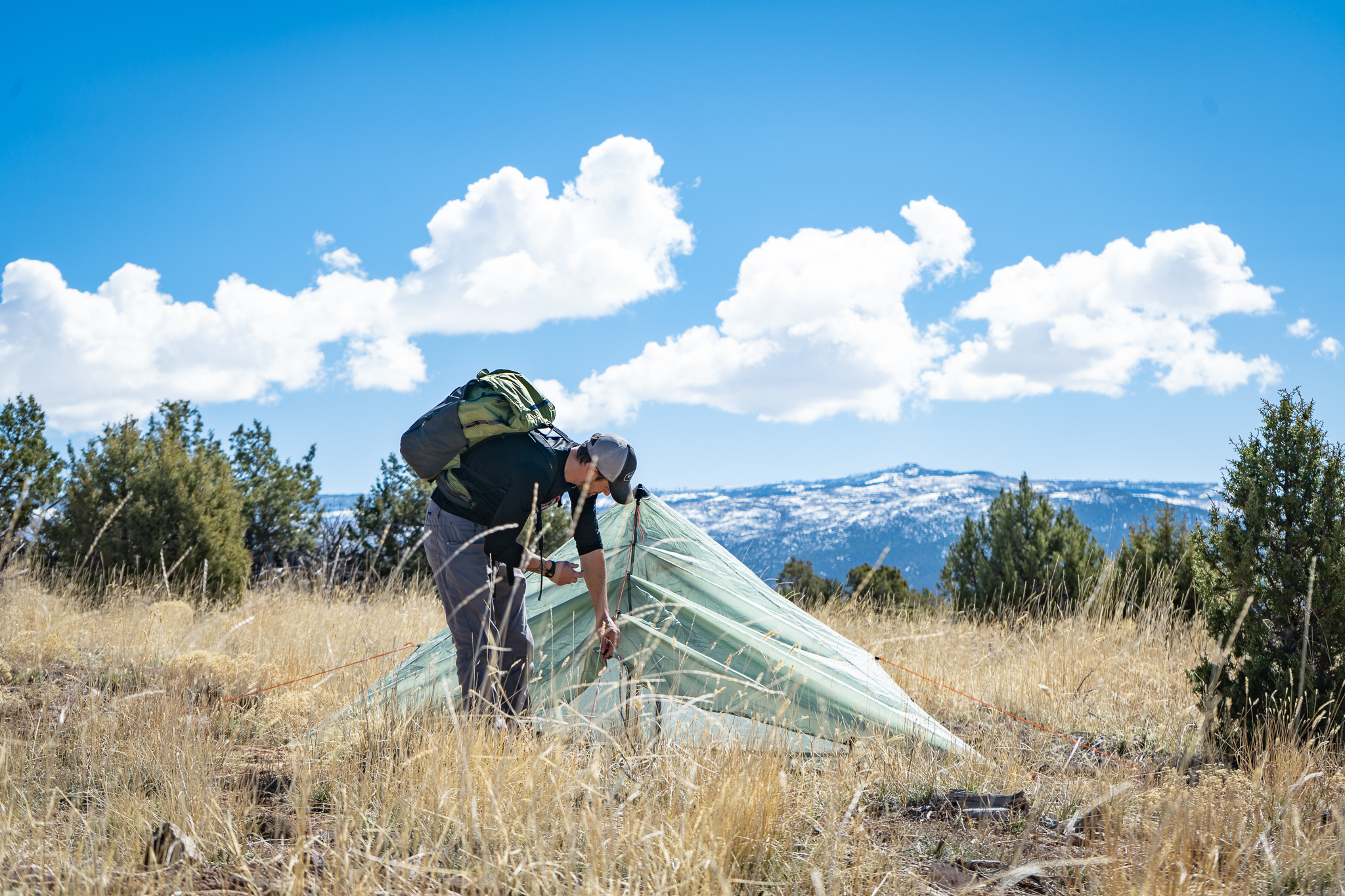
The Ultralight Revolution: Why Less Weight Means More Adventure
The ultralight philosophy is more than a trend; it’s a mindset shift that prioritizes efficiency, mobility, and joy on the trail. An ultralight backpack is typically defined as having a base weight (everything in your pack excluding consumables like food, water, and fuel) under 10 pounds. The benefits are tangible: reduced fatigue, lower risk of injury, increased daily mileage, and a more intimate connection with your surroundings because you’re not battling a heavy load.

Key Innovations in Ultralight Backpack Design for 2026
The ultralight backpack of 2026 is a marvel of minimalist engineering. Designers are moving beyond simply using thinner fabrics and are rethinking the entire structure.
- Frame-less and Semi-Frame-less Systems: Many top-tier packs are ditching traditional, weighty internal frames for innovative solutions like flexible foam back panels or strategically placed aluminum stays. These provide enough structure to carry 20-25 pounds comfortably while shaving ounces.
- Advanced Material Science: The use of ultra-high-molecular-weight polyethylene (UHMWPE) fabrics, like Dyneema® Composite Fabrics (DCF), continues to evolve. While DCF is known for its incredible strength-to-weight ratio, 2026 will see wider adoption of more affordable and abrasion-resistant variants, as well as hybrid fabrics that blend different fibers for optimal performance.
- Modular and Customizable Features: The “one pack fits all” approach is fading. Expect more brands to offer modular systems where you can add or remove pockets, hip belts, and lid components based on your specific trip needs. This eliminates carrying unnecessary parts, adhering to the core ultralight principle.
- Responsive Stiffness: The material provides a responsive “pop” with each plant, propelling you forward more efficiently than more flexible aluminum poles.
- Durability & Failure Mode: A common myth is that aluminum is more durable. While aluminum will bend under extreme stress, carbon fiber is designed to be strong in its intended direction. High-quality carbon poles are exceptionally tough. In a catastrophic overload, carbon fiber tends to shatter, whereas aluminum bends. Neither is ideal, but a bent pole is often unusable, while some hikers can temporarily splint a cracked carbon section.
- Integrated Technology: Look for poles with built-in features, such as camera mounts in the grips, or modular tips that easily switch from standard carbide for trails to larger snow baskets for winter excursions.
- Adjustability & Packability: Z-style folding poles, which collapse into a compact size, are becoming the standard for travelers and backpackers. The mechanisms are becoming more reliable and easier to operate with cold, wet hands.
- Bluesign® or OEKO-TEX® Certification: These independent standards ensure materials are safe for the environment, workers, and end-users.
- Fair Trade or Ethical Manufacturing: Ensures safe working conditions and fair wages in factories.
- Repair Programs: A strong indicator of quality and sustainability. Brands that offer repairs are designing for longevity.
- End-of-Life Programs: Take-back or recycling initiatives that keep gear out of landfills, sometimes turning old shells into new ones.
- The Pack: A 50-liter ultralight backpack made from a hybrid fabric of recycled nylon and UHMWPE, featuring a removable hip belt and a modular lid that converts into a fanny pack for day hikes. It weighs in at 1.8 pounds.
- The Poles: Three-piece carbon trekking poles using a blend of virgin and recycled carbon fiber. They feature cork grips (a natural, renewable material) and a simple, reliable flick-lock mechanism made from anodized aluminum.
- The Shelter: A single-wall trekking pole tent utilizing DCF for the rainfly (for minimal weight and packed size) and a breathable, Tencel-blend inner liner for condensation management.
- Apparel: A layering system built on a Tencel-blend base layer, a mid-layer of recycled polyester fleece, and a shell jacket with a PFC-free DWR treatment.
- The Mindset: This hiker carries a repair kit, chooses concentrated foods to minimize packaging, practices Leave No Trace principles diligently, and plans to use this kit for a decade or more.
- Anchor Text: “how to choose the right backpack volume” → Link to a guide on pack sizing.
- Anchor Text: “mastering Leave No Trace principles” → Link to an in-depth LNT article.
- Anchor Text: “our review of the best hiking layers for 2026” → Link to a gear review page.
- Link to the Bluesign® website for certification information.
- Link to the Leave No Trace Center for Outdoor Ethics for principle guidelines.
- Link to a reputable source like REI’s Used Gear or Patagonia’s Worn Wear to highlight gear longevity platforms.
Ergonomic Precision: Weight distribution is getting smarter. Through motion-capture technology and pressure mapping, packs are being designed to move with* your body, not against it. This means narrower profiles, curved straps that avoid nerve pressure, and hip belts that articulate dynamically.
Pro Tip: When shopping for an ultralight backpack, don’t just look at the listed weight. Consider its volume capacity in relation to your typical gear list and, most importantly, how it feels when loaded. A comfortable 2-pound pack is better than an uncomfortable 1.5-pound pack.
Carbon Trekking Poles: The Performance Edge for Modern Hikers
Once seen as optional, trekking poles are now considered essential gear for most serious hikers. And within that category, carbon trekking poles are leading the charge. Carbon fiber offers a unique combination of properties that make it ideal for the task: it’s incredibly lightweight, stiff for efficient power transfer, and has a natural vibration dampening that reduces fatigue in your hands and wrists.
Why Carbon Fiber is Dominating the Pole Market
1. Weight Savings: Carbon fiber poles can be 20-30% lighter than their aluminum counterparts. Over thousands of steps, this adds up to significant energy conservation.
2026 Trends in Carbon Trekking Pole Design
* Sustainable Carbon Composites: The next frontier is the eco-conscious pole. Brands are beginning to integrate recycled carbon fiber or bio-resins into their composites, addressing the environmental footprint of carbon production.
Choosing Your Poles: If you prioritize absolute minimum weight and performance on well-maintained trails, carbon trekking poles are your best bet. If you frequently trek in rocky, off-trail environments where you might seriously torque or lever the pole, a high-grade aluminum pole might offer more peace of mind.
The Core of 2026: Sustainable Hiking Gear and Eco-Friendly Materials
This is the most significant and necessary trend. Sustainability is evolving from a marketing buzzword into a core design and manufacturing principle. Sustainable hiking gear in 2026 is about a holistic approach: what it’s made from, how it’s made, how long it lasts, and what happens to it at the end of its life.
A Guide to Eco-Friendly Materials in Your Gear
Understanding materials is key to making informed choices. Here’s a breakdown of the leading eco-friendly materials:
| Material | What It Is | Common Uses in Gear | Why It’s Sustainable |
| :— | :— | :— | :— |
| Recycled Nylon (e.g., Econyl®) | Nylon regenerated from waste like fishing nets, fabric scraps, and industrial plastic. | Backpack fabrics, tent canopies, clothing, webbing. | Diverts ocean and landfill waste, reduces dependency on virgin petroleum. |
| Recycled Polyester (rPET) | Polyester made from recycled plastic bottles. | Fleece garments, insulation, shell fabrics, pack liners. | Lowers energy consumption in production by up to 50% compared to virgin polyester. |
| Organic or Recycled Cotton | Cotton grown without pesticides or cotton made from post-industrial scraps. | Base layer tees, casual hiking shirts, hat linings. | Reduces water pollution and soil degradation (organic). Prevents textile waste (recycled). |
| Tencel™/Lyocell | A fiber made from sustainably sourced wood pulp (often eucalyptus). | Moisture-wicking performance shirts, socks, tent inner liners. | Produced in a closed-loop system that recycles water and solvents. Biodegradable. |
| Bio-Based Polymers | Plastics derived from renewable sources like castor beans or corn. | Tent pole end tips, buckle components, waterproof membranes. | Reduces reliance on fossil fuels. Some are compostable at end-of-life. |
| PFC-Free DWR | A durable water repellent coating that does not use perfluorinated chemicals. | Applied to outerwear, rain jackets, and tents. | PFCs are “forever chemicals” that persist in the environment. PFC-free options are safer. |
Beyond Materials: The Principles of a Sustainable Brand
When evaluating a company’s commitment, look for these practices:
Your Most Sustainable Choice: The greenest piece of gear is the one you already own. Maintaining, repairing, and using your equipment for its full lifespan is the single most impactful action you can take.
Synthesizing the Trends: What Your 2026 Kit Looks Like
So, what does a forward-thinking, high-performance, and low-impact hiking kit embody? Let’s build a hypothetical setup for a 3-season backpacker in 2026:
This kit represents the pinnacle of where 2026 hiking trends are headed: intelligent design, radical efficiency, and profound respect for the environment.
Frequently Asked Questions (FAQ)
Q: Isn’t ultralight gear less durable and therefore less sustainable?
A: Not necessarily. While some ultralight materials can be more delicate, the philosophy encourages carrying less, which reduces overall wear and tear. Furthermore, many ultralight brands are now focusing on high-tenacity, recycled fabrics that offer excellent durability for their weight. Sustainability is about product lifespan and resource use; a durable, repairable 2-pound pack made responsibly can be far more sustainable than a heavy, disposable 6-pound pack.
Q: Are carbon trekking poles worth the higher cost?
A: For most dedicated hikers, yes. The weight savings and performance benefits are significant. Consider it an investment in your comfort and endurance on the trail. As with all gear, prioritize fit and feel—try them out if you can.
Q: How can I tell if a brand’s sustainability claims are genuine or just “greenwashing”?
A: Look for specificity and transparency. Vague terms like “eco-conscious” are red flags. Genuine brands will detail the exact percentage of recycled content (e.g., “100% recycled 30D nylon”), name their material suppliers (e.g., “PrimaLoft® Bio insulation”), and hold third-party certifications (Bluesign, Fair Trade). They also openly discuss their goals and challenges in sustainability reports.
Q: What’s the first piece of gear I should upgrade to be more sustainable?
A: Start with what you use most or what needs replacing. A core piece of clothing made from recycled materials (like a fleece or shell jacket) or a new backpack from a brand with a strong repair program are excellent first steps. Remember, the most sustainable action is using what you have until it’s no longer serviceable.
Conclusion: Hiking Into a Responsible Future
The trail ahead is clear and promising. The fusion of ultralight efficiency, carbon-enhanced performance, and genuine sustainability is creating a new golden age for hiking gear. By choosing an ultralight backpack designed with purpose, relying on the responsive support of carbon trekking poles, and seeking out sustainable hiking gear built with eco-friendly materials, you’re not just investing in better adventures—you’re voting for a healthier planet.
The 2026 hiking trends empower you to move faster, lighter, and with a clearer conscience. As you plan your next adventure, let these principles guide your choices. Ask brands the hard questions, prioritize durability and repairability, and always remember that the lightest step you can take is one that treads gently on the earth. Now, get out there and explore the future—it’s waiting on the trail.
—
Internal Link Suggestions:
External Link Suggestions (Open in New Window):
Image Alt Text Suggestions:
A modern ultralight backpack on a rocky mountain ridge with trekking poles in the foreground.Close-up comparison of carbon fiber vs. aluminum trekking pole segments.Infographic showing the lifecycle of recycled nylon from fishing nets to backpack fabric.A full sustainable hiking gear kit laid out neatly on a forest floor.Schema Recommendation: Implement HowTo schema for the “building your 2026 kit” section and FAQPage schema for the Q&A section to enhance search visibility and eligibility for rich results.