The Ultimate Guide to Understanding and Choosing the Perfect Length for Everything
Have you ever stared at a pair of jeans online, wondering if the “ankle” length will actually hit your ankle or your calf? Or spent 20 minutes in the grocery store aisle, paralyzed by the choice between a “family-size” and a “value-size” box of cereal? You’re not alone. Length is one of the most fundamental, yet surprisingly complex, measurements in our daily lives. It dictates what fits in our homes, what looks good on our bodies, how long our commute takes, and even how we experience stories. But beyond the tape measure, length is a concept woven into time, narrative, and personal satisfaction. This guide is your friendly companion through the wonderfully varied world of length. We’ll demystify measurements, explore the “Goldilocks zone” of perfect proportions, and help you make confident choices—whether you’re hanging curtains, writing a novel, or just trying to buy the right HDMI cable.

What Do We Really Mean by “Length”?
At its core, length is the measurement of something from end to end. It’s the most intuitive dimension. But in practice, “length” rarely exists in a vacuum. It’s contextual, relative, and often loaded with unspoken expectations.
The Basics: Units and How We Measure
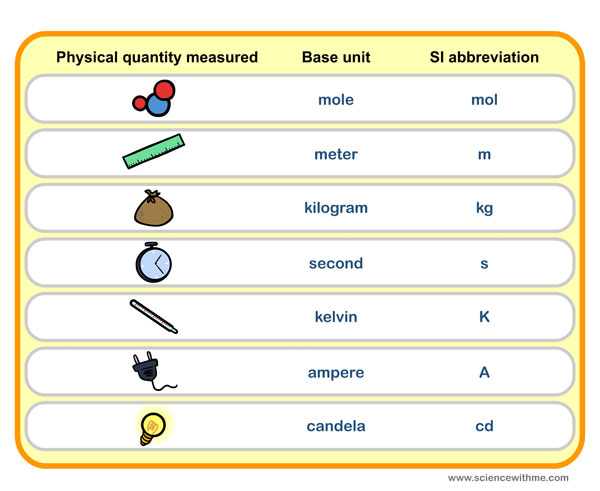
We need a common language to talk about length, and that’s where units come in. The two main systems rule our world:
- The Imperial System (Feet, Inches, Miles): Primarily used in the United States, this system is a historical patchwork. It’s great for human-scale measurements (your height is 5’10”, not 1.78 meters) but can be cumbersome for calculations.
- The Metric System (Meters, Centimeters, Kilometers): The global standard, used in science and nearly every other country. It’s based on multiples of 10, making it incredibly logical and easy to scale. A kilometer is 1,000 meters, a centimeter is 1/100th of a meter, and so on.
- Length is typically the longest side of an object, or the side you consider first. For a sofa, it’s the distance from the left arm to the right arm.
- Width (or depth) is the measurement across, usually the shorter side on a flat object. For that sofa, it’s the distance from the front of the cushion to the back.
- Height is the measurement from the base to the top. The sofa’s height is from the floor to the top of the back cushions.
- Too Short: Leaves us wanting more, feeling cheated, or lacking necessary information. (A 30-second movie, a two-sentence email from your boss about a major project).
- Too Long: Leads to fatigue, boredom, and loss of interest. (A 4-hour lecture, an endlessly meandering novel).
- Just Right: Provides completeness, satisfaction, and value without exhaustion. It feels respectful of our time and intelligence.
- Standard Sofa Length: 72 to 96 inches. Measure your wall first! Leave at least 18-24 inches of walking space between the sofa and coffee table.
- Sofa vs. Loveseat: A loveseat is typically 52-68 inches long, perfect for smaller spaces or as complementary seating.
- Rug Rules: A rug should be large enough for all key furniture legs to sit on it. For a standard sofa arrangement, an 8×10 or 9×12 foot rug is usually “just right.”
- Curtain Length is the most common mistake. For a classic, elegant look:
- Floor-Length: Curtains should just “kiss” the floor or have a ½-inch break.
- Sill-Length: Should end exactly at the windowsill. Too long looks sloppy; too short looks awkward.
- Apron-Length: Falls 4-6 inches below the sill, a great casual look.
- Ankle/Crop: Inseam ~26-28″. Hits above the ankle.
- Regular: Inseam ~30-32″. Should break slightly on top of your shoe.
- Long/Tall: Inseam ~34-36″. For taller individuals.
- Desk Depth (Width): 24 inches is minimum; 30 inches is ideal for a monitor at proper viewing distance (an arm’s length away).
- Monitor Height: The top of the screen should be at or slightly below eye level when you sit up straight.
- Cable Management: Measure the distance from your outlet to your device before buying cables. A little extra slack is good, but a 10-foot HDMI cable coiled behind a TV is a tripping hazard and an eyesore.
- Twitter/X: 71-100 characters get the most engagement. Succinctness is the soul of wit—and retweets.
- Facebook Posts: 40-80 characters have higher engagement, but longer posts (1,000-2,000 chars) can tell powerful stories.
- Instagram Captions: 138-150 characters are ideal for not getting cut off in feed previews. But carousel posts with detailed captions (500+ chars) can be highly effective.
- LinkedIn Articles: 1,900-2,000 words is the reported sweet spot for professional articles and long-form posts.
- Standard Blog Post: 1,000-1,500 words. Good for news, updates, and straightforward topics.
- Pillar/Guide Articles (Like this one!): 2,500-3,000+ words. These are comprehensive resources that aim to be the best answer on the internet for a topic. They perform well in search because they cover breadth and depth.
- The Key Insight: Quality over quantity, always. A fluff-filled 3,000-word article will lose readers and rank poorly. A dense, actionable 800-word post can be a superstar. Ask: “Have I fully answered the reader’s question?”
- Novels: 70,000-100,000 words is standard for most genres. Epic fantasy can run 150,000+.
- Movies: The “theatrical sweet spot” is 90-120 minutes. Longer films need a compelling reason (epic scope, complex plot) to justify the runtime.
- The Streaming “Binge-Length”: Netflix and other platforms have found that 50-minute drama episodes and 30-minute comedy episodes keep viewers clicking “Next Episode.”
- The Pomodoro Technique: Work for 25 minutes, break for 5. This matches many people’s natural attention cycles.
- Ultradian Rhythms: Our bodies naturally cycle through 90-120 minute periods of high focus followed by 20-30 minute periods of lower alertness. Schedule deep work within these “high-focus” lengths.
- Meeting Lengths: Does it really need to be an hour? Try defaulting to 25 or 50-minute meetings. The odd length forces efficiency and gives people time to transition to their next task.
- Break it Down: Estimate time for each sub-task, not the whole project.
- Reference the Past: Look at how long similar tasks have taken you before.
- Add a Buffer: Add 25-50% to your final estimate to account for interruptions and unforeseen problems.
- Collar (14″): Sits at the base of the throat. Pairs with V-necks or off-the-shoulder styles.
- Princess (18″): The most common length. Falls just below the collarbone. Universally flattering.
- Matinee (20″-24″): Falls between the collarbone and the bust. Great for business wear.
- Opera (28″-36″): A dramatic length that can be worn long, doubled, or even knotted.
- Anchor Text: “how to measure your windows for blinds” → Link to a detailed DIY window treatment guide.
- Anchor Text: “optimize your home office ergonomics” → Link to a post on desk setup and chair selection.
- Anchor Text: “the Pomodoro Technique for better focus” → Link to a productivity deep-dive article.
- Link to the CDC’s Physical Activity Guidelines for authoritative exercise recommendations.
- Link to a reputable retailer’s clothing size guide as an example of detailed inseam and fit information.
- For a hypothetical image of a well-proportioned living room: “A cozy living room with a sofa correctly placed on a large area rug, with floor-length curtains framing the window.”
- For a hypothetical comparison image of necklace lengths: “Infographic comparing collar, princess, matinee, and opera necklace lengths on a silhouette.”
Pro Tip: For quick mental conversions, remember these rough guides: 1 meter is a little over 3 feet (about 3.28 ft). 1 kilometer is about 0.6 of a mile. A 5K race is roughly 3.1 miles.
Length vs. Width vs. Height: Untangling the Dimensions
It’s easy to get them confused, especially when reading product specs.
Think of it this way: When describing a book on a shelf, you’d give its height (tall it is), its width (how thick it is), and its length (the measurement of the spine from top to bottom).
The Psychology of Length: Why Size Really Does Matter
Our perception of length isn’t just mathematical; it’s psychological. A 10-minute wait for a table can feel like an eternity if you’re hungry, but fly by if you’re engrossed in conversation. This subjective experience is key to understanding satisfaction.
The “Goldilocks Principle”: Finding What’s Just Right
Whether it’s the Three Bears’ porridge or the perfect blog post, humans are hardwired to seek the middle ground. This is the zone of optimal length.
Cultural and Personal Variations in Perception
What’s “just right” is wonderfully subjective. A Bollywood film fan expects a 3-hour epic with an intermission, while a viewer of Danish cinema might be accustomed to 90-minute tightly-wound dramas. Your ideal podcast length for a commute differs from your ideal length for a long run. Recognizing that “perfect length” is personal is the first step to making better choices for yourself and communicating better with others.
A Room-by-Room Guide to Practical Lengths in Your Home
Let’s get practical. Here’s how to conquer common length-related dilemmas around your house.
The Living Room: Furniture, Curtains, and Rugs
Getting these lengths wrong can throw off your entire room’s harmony.
Sofas & Seating:
Window Treatments:
The Bedroom: Bed Frames, Sheets, and Pants
Sleep and style hinge on correct lengths.
Bed Sizes & Linens (US Standard):
| Bed Size | Mattress Dimensions (LxW) | Fitted Sheet Pocket Depth | Comforter/Duvet Standard Size |
| :— | :— | :— | :— |
| Twin | 75″ x 38″ | 7″-14″ | 68″ x 86″ |
| Twin XL | 80″ x 38″ | 7″-14″ | 68″ x 90″ |
| Full/Double | 75″ x 54″ | 7″-14″ | 80″ x 86″ |
| Queen | 80″ x 60″ | 9″-16″ | 86″ x 86″ |
| King | 80″ x 76″ | 9″-16″ | 102″ x 86″ |
| Cal. King | 84″ x 72″ | 9″-16″ | 102″ x 86″ |
Closet Crises: Understanding Clothing Inseams
The inseam—the length from the crotch seam to the bottom of the leg—is your key to perfect pants.
The Home Office & Tech: Cables, Monitors, and Desks
Efficiency is often a matter of inches.
Ergonomics and Desk Setup:
The Length of Content: From Tweets to Tolstoy
In our digital age, we’re all content consumers and creators. How long should your stuff be?
Social Media: The Art of Brevity and Impact
Each platform has its own “Goldilocks Zone”:
Blog Posts, Articles, and SEO: What Google (and Readers) Want
For written online content, length correlates with authority, but only if the content is valuable.
Books, Movies, and Podcasts: The Commitment of Time
Entertainment length is a contract with your audience.
Podcasts: Commute-friendly shows are 25-45 minutes. Interview podcasts often run 60-90 minutes. Deep-dive narrative podcasts (e.g., Serial*) can vary by episode based on the story’s needs.
Time as Length: Managing Your Most Precious Resource
Perhaps the most important length we deal with is temporal. How we perceive and manage the length of time is crucial for productivity and happiness.
The Science of Attention Spans and Work Blocks
Forget the myth of the 8-hour focused workday. Science suggests our brains work best in sprints.
How to Estimate Time Accurately (The Planning Fallacy)
We are famously bad at guessing how long tasks will take. We suffer from the “planning fallacy,” optimistically underestimating time. Combat it with:
FAQ: Your Top Length Questions, Answered
Q: How do I accurately measure for blinds or shades inside my window frame?
A: Use a metal tape measure for precision. Measure the width at the top, middle, and bottom of the window opening. Use the smallest of the three measurements. Do the same for the height (left, middle, right). This ensures your blinds won’t get stuck on an out-of-square frame.
Q: Is there a standard length for a resume?
A: The one-page resume is a classic rule for a reason—it forces conciseness and respects the hiring manager’s time. For most professionals with under 10 years of experience, one page is ideal. For extensive careers or academic CVs, two pages are acceptable. Almost never go to three.
Q: How long should my workout be to see results?
A: Consistency beats marathon sessions. The CDC recommends at least 150 minutes of moderate-intensity aerobic activity per week. That can be broken into five 30-minute sessions. A highly effective 20-30 minute HIIT (High-Intensity Interval Training) workout can also deliver tremendous benefits. The best length is the one you can stick with.
Q: What’s the ideal length for an email?
A: Short enough to be read on a mobile screen without scrolling more than 2-3 times. Get to the point in the first sentence or two. Use bullet points for multiple questions or action items. If it’s becoming a novel, consider a phone call or a shared document instead.
Q: How do I choose the right length for a necklace?
A: It’s about proportion and neckline.
Conclusion: Mastering Length to Simplify Your Life
Length isn’t just a number on a tape measure; it’s a fundamental factor in comfort, efficiency, communication, and enjoyment. From the inseam of your favorite jeans to the runtime of your weekend movie, getting length “just right” removes friction and adds pleasure to your daily routine.
Start applying this knowledge today. Before your next purchase, grab a tape measure. Before you write an email, consider the recipient’s time. When planning your day, respect your brain’s natural rhythms. By becoming more mindful of length in all its forms, you make better decisions, communicate more effectively, and create environments—both physical and digital—that truly fit.
Ready to put this into practice? Share your biggest “length win” or most frustrating “length fail” in the comments below! And if you found this guide helpful, why not bookmark it for the next time you’re facing a sizing dilemma? Here’s to a perfectly proportioned life.
—
Internal Link Suggestions:
External Link Suggestions:
Image Alt Text Suggestions: