The 2026 Hiker’s Guide: Planning Epic, Sustainable Adventures That Leave No Trace
Imagine standing on a ridge in 2026, breathing air that’s crisp and clean, looking out over a landscape that feels wild and untouched. The trail beneath your boots is well-maintained but not overcrowded, and you have the profound satisfaction of knowing your journey there respected the very wilderness you came to enjoy. This isn’t just a dream for the future of hiking; it’s an achievable reality, but it requires a shift in how we plan our adventures. For the avid hiker, the call of the trail is evolving. It’s no longer just about the distance covered or the summit bagged; it’s about the legacy we leave with every step. Sustainable hiking is moving from a niche interest to a fundamental pillar of the outdoor community, and 2026 is poised to be a landmark year where technology, ethics, and passion converge. This guide is your blueprint for that future. We’ll dive beyond the classic “pack it in, pack it out” mantra to explore the next generation of sustainable practices, cutting-edge gear, and mindful planning that will define the responsible hiker in 2026. Get ready to plan adventures that feed your soul without costing the earth.

Why 2026 is the Pivotal Year for Sustainable Hiking
We’re at a crossroads. Trail usage has skyrocketed, and our beloved natural spaces are feeling the pressure. By 2026, the concept of “sustainable adventure” will have matured from an optional ethos to a non-negotiable standard for the conscientious hiker. Several converging trends make this the year to fully commit.
First, climate impact is becoming hyper-localized for hikers. It’s not just about global patterns; it’s about visibly shorter wildflower seasons, unpredictable water source reliability, and increased fire risks altering your traditional routes. Planning for 2026 means accepting volatility as a key factor. Second, land management agencies and conservation groups are implementing new systems. We’re seeing the broad adoption of advanced permitting, real-time capacity monitors, and “hiker density” forecasts to prevent ecological damage. Hiking without checking these resources will be like heading out without a map. Finally, the gear revolution is hitting its stride. By 2026, sustainable materials, repairable design, and end-of-life product recycling will be the baseline expectation, not a premium add-on. Hiking sustainably is becoming easier, smarter, and more integrated into every aspect of the journey.
The bottom line: The hiker of 2026 is an informed steward, equipped with better tools and a deeper understanding of their footprint. This shift ensures our trails remain vibrant and resilient for generations to come.
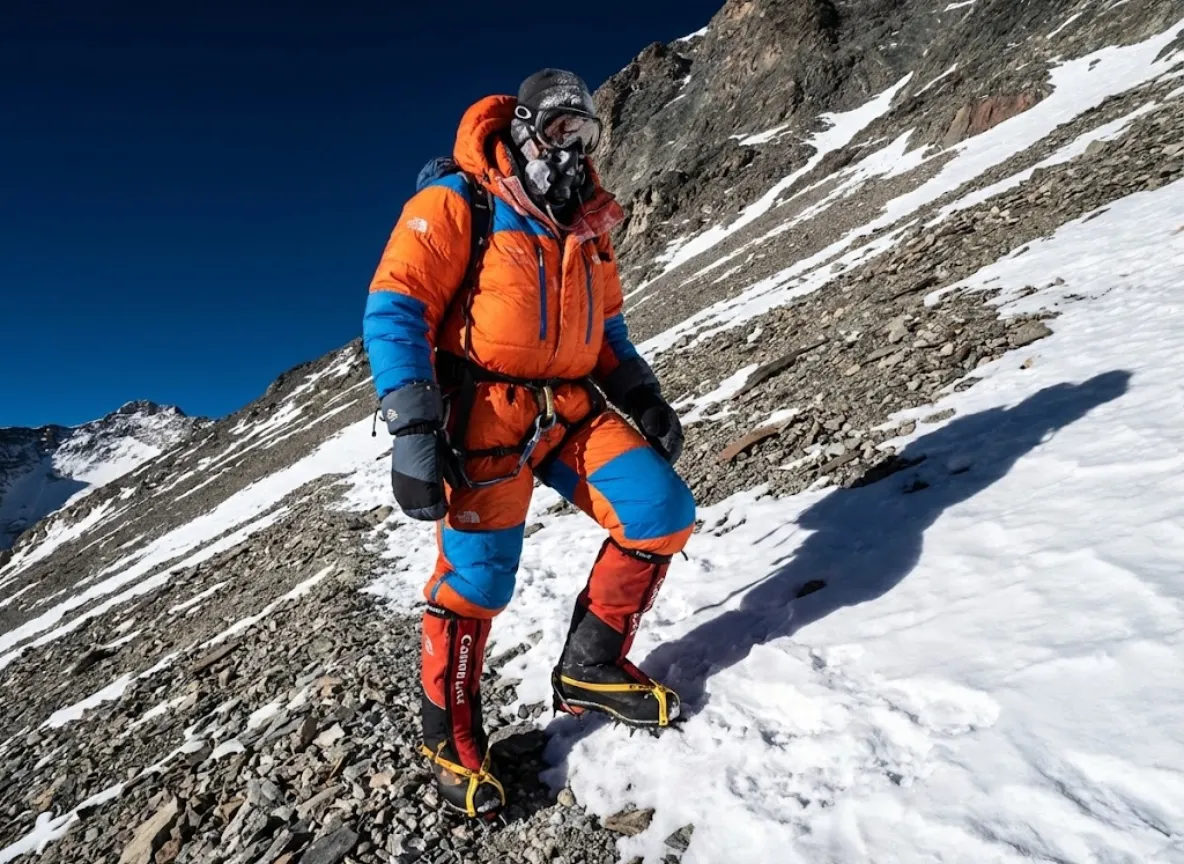
The 2026 Sustainable Hiking Planning Framework: A Step-by-Step Approach
Gone are the days of simply picking a trail on a map. Sustainable adventure planning is a holistic process. Follow this framework to build your 2026 trips.
Phase 1: The Mindful Destination Audit (Months in Advance)
Your first and most impactful sustainable choice is where you go.
- Research Ecological Sensitivity: Use tools like The Leave No Trace Center’s “Hot Spot” maps or land agency websites to understand the specific pressures on your desired region. Is it a critical wildlife corridor? A zone recovering from fire? Choose destinations that can handle visitor traffic, or better yet, seek out “second-choice” spectacular trails that deserve love but get less footfall.
- Understand the Permit Landscape: By 2026, dynamic permitting will be widespread. Systems won’t just allocate a spot; they will manage flow based on real-time conditions. Be prepared for lotteries for iconic spots (apply early!), and have flexible backup plans. View securing a permit not as a hurdle, but as your ticket to a preserved experience.
- Embrace the “Shoulder Season Shift”: To combat overcrowding, actively plan major trips for late spring or early fall—the new sweet spots. This reduces impact on peak-season flora and fauna and often offers better weather stability than the increasingly volatile midsummer.
- The Material Matters: Prioritize gear made from recycled materials (like recycled nylon packs), bio-based fabrics (e.g., castor bean insulation), and naturally derived components. Look for brands that are transparent about their supply chains.
- Repairability is King: Choose brands that offer robust repair services, sell replacement parts, and design products that can be disassembled. A patched pack or resoled boot tells a story of commitment.
- The “Gear Library” Model: For that one-off, specialized item (e.g., a heavy-duty bear canister for a specific park, or snowshoes for a winter trip), consider renting from local outfitters or using gear-lending platforms. It reduces production demand and supports local economies.
- Travel Carbon: This is the elephant in the room. For 2026, make trip consolidation standard. Group trips with friends in one vehicle, choose destinations within a closer radius more often, and for the annual big expedition, research legitimate carbon offset programs specifically vetted for conservation. Consider the train or bus for access to major trail hubs.
- Trail Tech for Good: Your smartphone is a powerful tool for sustainability.
- Use apps like Gaia GPS or CalTopo with offline maps to stay on trail and avoid creating social paths.
- Download region-specific guides for proper human waste disposal (e.g., whether to use a WAG bag, cathole depth, or mandatory pack-out).
- Consult crowdsourced water source reports (but verify with recent trip logs, as sources can dry up).
- The New Trail Etiquette:
- “Soundscape Stewardship”: Keep voices low, avoid Bluetooth speakers entirely, and listen to the natural world. Your peaceful experience shouldn’t shatter someone else’s.
- “Biodiversity Buffer”: Give all wildlife—from pollinators to megafauna—a wider berth than you think they need. Use a zoom lens, not your proximity, for that perfect photo.
- Practice “Trail Karma”: Pack a lightweight reusable bag and collect micro-trash you see along the way (a wrapper, a stray bottle cap). It’s a small act with a massive cumulative impact.
- Become a Citizen Scientist: Use apps like iNaturalist to document plant and animal sightings. Your data can help conservationists track species migration and ecosystem health.
- Advocate with Your Wallet & Voice: Patronize local businesses near trailheads. Report trail damage or maintenance needs to the managing agency. Support non-profits that maintain the trails you love, whether through donations or volunteer vacation days.
- Spring (April-May): Desert Canyon Exploration. Focus on low-impact travel to a nearby desert park. Practice supreme water conservation (carry all you need), hike on durable cryptobiotic soil-free surfaces, and document wildflower blooms for science.
- Summer (June-July): Alpine & Forest Backpacking. Secure a competitive permit for a classic route. Employ rigorous bear-safe practices, use a lightweight tarp or hammock to minimize ground impact, and commit to a strict “pack out all waste” protocol.
- Fall (September-October): Volunteer Trail Maintenance Trip. Join an organized trip with a group like the American Hiking Society. Give back directly by rebuilding a section of tread, clearing drainage, and learning sustainable trail construction firsthand.
- Winter (February): Snowshoe & Winter Skills Local Focus. Explore state parks or national forests close to home. Learn low-impact winter camping, how to identify and avoid sensitive areas under snow, and enjoy the solitude of the off-season.
- Have a “Plan B” and “Plan C”: For every dream itinerary, research two alternative destinations in different ecological zones. If the West is experiencing high fire danger, your Plan B might be in the Great Lakes region.
- Become a Weather & Condition Analyst: Follow not just weather apps, but official land management social media and websites for real-time closures, air quality indexes (AQI), and fire restrictions.
- Know When to Stay Home: The most sustainable trip is sometimes the one you cancel. If conditions are dangerous or your presence would exacerbate an ecological crisis (e.g., during extreme drought), reschedule. The mountains will be there.
- Anchor: “essential lightweight gear checklist” → Link to a page on “Ultralight Backpacking Basics for 2026”
- Anchor: “planning your meals” → Link to a page on “Zero-Waste Backpacking Meal Planning”
- Anchor: “leave no trace principles” → Link to a foundational LNT primer page on your site.
- The Leave No Trace Center for Outdoor Ethics for the latest guidelines.
- American Hiking Society’s Volunteer Vacations to find trail stewardship trips.
- iNaturalist for citizen science contributions.
- Main header image: “Hiker looking out over a pristine mountain valley at sunrise, 2026 sustainable adventure.”
- Infographic image: “Comparison chart of sustainable vs. conventional hiking gear materials.”
- In-article image: “Close-up of hands using a smartphone trail map app on a mountain summit.”
Phase 2: The Next-Gen Gear Strategy
Your kit is your footprint. For 2026, think lifecycle, not just checkout price.
Sustainable Gear Checklist for 2026:
| Item | 2026 Sustainability Priority | Example/Brand Ethos |
| :— | :— | :— |
| Backpack | Recycled materials, modular/repairable design | Look for lifetime repair guarantees |
| Footwear | Vegan/eco-friendly glues, recyclable programs | Brands with take-back schemes to grind soles into playground turf |
| Insulation | Plant-based or recycled synthetic fills, PFC-free DWR | Jackets insulated with recycled plastic or kapok fiber |
| Shelter | PFC-free waterproofing, minimal stake impact designs | Tents using silicone-treated fabrics without harmful chemicals |
| Cooking | Fuel-efficient stoves, non-toxic cleaning | Alcohol stoves or ultra-efficient canister stoves |
Phase 3: The Low-Impact Travel & Trail Protocol
The journey to the trailhead and your conduct on the path are equally crucial.
“Strategic Stepping”: Hike through mud/puddles on the trail (walking the center) to prevent trail widening. Step off only* on durable surfaces (rock, sand) if you must yield.
Beyond Leave No Trace: The 2026 Principles of Proactive Stewardship
Leave No Trace (LNT) is the essential foundation, but 2026’s avid hiker goes further. Think “Leave It Better.”
Building Your 2026 Sustainable Adventure Calendar
Let’s make this practical. Here’s a sample seasonal plan for a sustainable hiking year.
Facing the Challenges: Fire, Floods, and Flexibility
Sustainability in 2026 is also about resilience and adaptation. Climate change means being prepared for last-minute changes.
Conclusion: Your Footprint is Your Legacy
The trail ahead is clear. As avid hikers looking toward 2026, we have an incredible opportunity—and a responsibility—to redefine adventure. It’s a blend of ancient wisdom and modern innovation: traveling lightly, choosing gear thoughtfully, planning meticulously, and giving back generously. This isn’t about restriction; it’s about deepening our connection. By embracing these sustainable practices, you’re not just securing permits and packing gear; you’re pledging to protect the very essence of what draws you outdoors. You’re ensuring that the view from that ridge in 2026, and in 2046, remains one of wild, thriving beauty. So, start mapping, start researching, and start dreaming. Your most rewarding adventure—the one that leaves the lightest, most positive trace—is waiting.
—
FAQ: Sustainable Hiking in 2026
Q: Isn’t sustainable gear way more expensive?
A: Initially, some items can have a higher upfront cost. However, the 2026 focus on durability and repairability means it lasts much longer, offering better value over time. Start by replacing one core item at a time with a sustainable version as your old gear wears out.
Q: How do I find these “second-choice” trails to reduce overcrowding?
A: Use mapping apps to look for trails just outside the boundary of a famous national park (often managed by adjacent national forests). Explore state parks and lesser-known wilderness areas. Websites like AllTrails have filters for “low traffic” that can be a great starting point.
Q: What’s the single most important thing I can do for a sustainable hike?
A: Properly manage your human waste. This is the biggest oversight with the most severe ecological consequences. Research the specific method required for your destination (cathole, WAG bag, restroom) and follow it meticulously every single time.
Q: Are carbon offsets for travel really effective?
A: It’s a complex field. The key for 2026 is to reduce first (carpool, take fewer long trips), then offset. If you choose to offset, look for certified programs (like Gold Standard or Verified Carbon Standard) that fund specific, verifiable renewable energy or reforestation projects.
Q: How can I convince my hiking group to adopt these practices?
A: Lead by example! Share your delicious zero-waste trail meals, show them how your repairable gear works, and gently educate on the “why” behind practices like staying on trail. Often, seeing the practicality and positive impact is the most persuasive tool.
—
Internal Link Suggestions:
External Link Suggestions:
Image Alt Text Suggestions:
Schema Recommendation: Implement HowTo schema for the planning framework and FAQPage schema for the FAQ section to enhance search visibility.