Explore the Future: Cutting-Edge Hacking Gadgets & Tech for Your 2026 Outdoor Adventures
Remember when planning a hike meant stuffing a map, a compass, and a few granola bars into your backpack? Those days are rapidly fading into the rearview mirror. The great outdoors is getting a high-tech makeover, and for those of us who love to explore, it’s an incredibly exciting time. We’re not just talking about a slightly better GPS watch; we’re on the cusp of a revolution where technology seamlessly integrates with nature to enhance safety, deepen our connection to the environment, and push the boundaries of what’s possible on the trail.
By 2026, your hiking gear will feel less like a collection of tools and more like an intelligent adventure partner. Imagine gear that predicts weather changes on your exact route, boots that actively reduce fatigue, and navigation systems that project a virtual trail onto the landscape in front of you. This isn’t science fiction; it’s the very near future of hiking. In this deep dive, we’ll unpack the most groundbreaking gadgets and technologies that will define your outdoor adventures in 2026, turning every trek into a smarter, safer, and more immersive experience.

The Smart Backpack: Your Mobile Basecamp
The humble backpack is undergoing its most significant transformation ever. In 2026, it won’t just carry your gear—it will manage it.
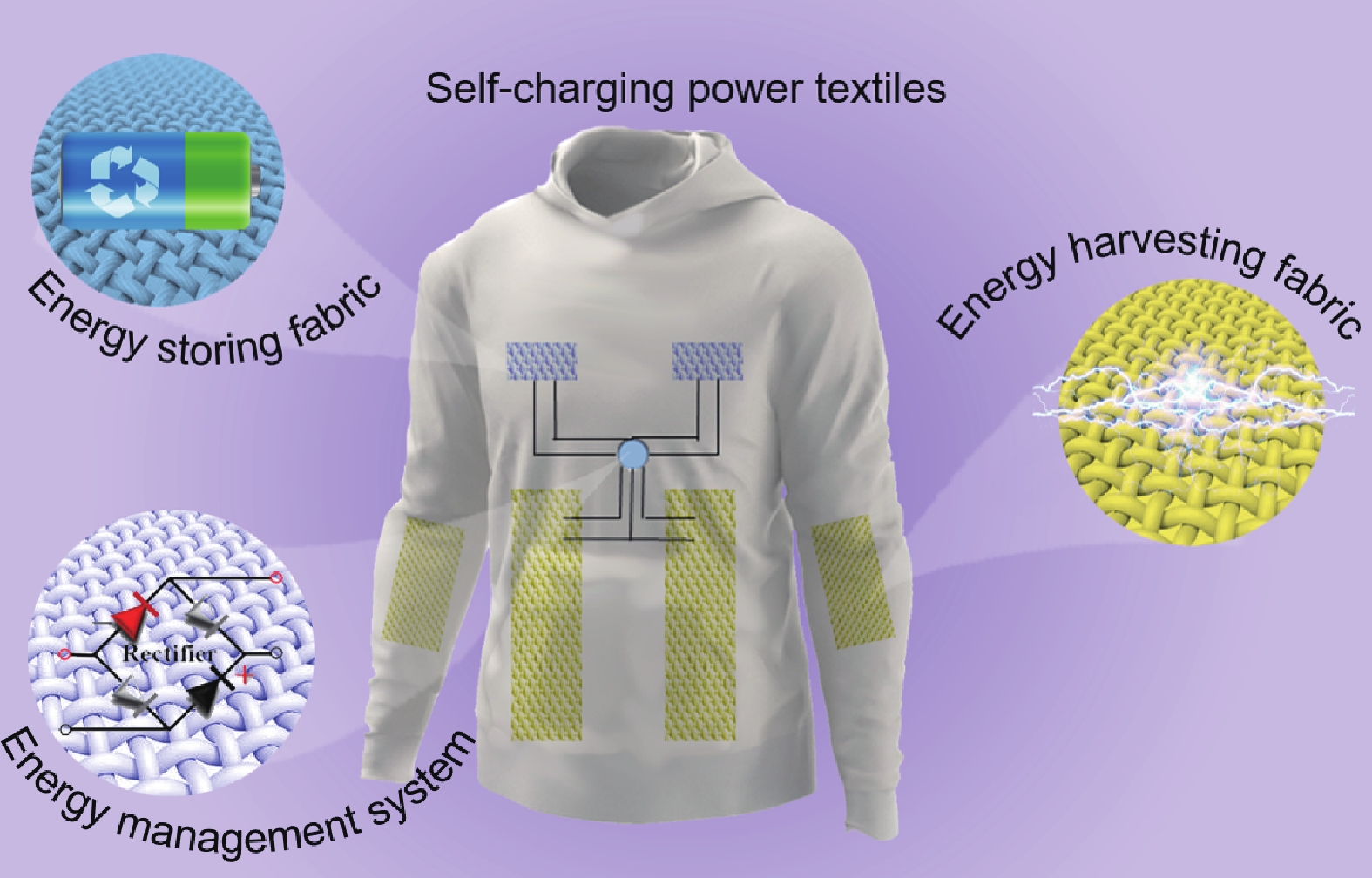
Integrated Solar Fabrics and Power Management
Forget bulky, separate solar panels. The fabric of your backpack itself will be a high-efficiency, flexible solar array. These advanced textiles can capture energy even on partially cloudy days, feeding power directly into an integrated, lightweight battery bank. A dedicated app will show you real-time power generation and consumption, allowing you to prioritize charging your most critical devices, like your emergency beacon or satellite communicator.
Key Takeaway: Your backpack will become your primary power source, eliminating the anxiety of dead devices on multi-day trips.
AI-Packed Inventory and Weight Distribution
Using a network of tiny, weight-sensitive sensors sewn into the straps and body, your backpack will know exactly what’s inside it. Through a connected app, it can warn you if you’ve forgotten an essential item like a headlamp or your water filter. More impressively, it will use micro-adjustable internal frames and air bladders to automatically shift its weight distribution in real-time based on your posture and the terrain, reducing fatigue and improving balance on tricky descents.
- Automated Packing Lists: Syncs with your digital trip planner to create a perfect packing list.
- Strain Alerts: Notifies you if the pack weight is uneven or causing undue stress on your body.
- Theft Deterrence: Sends an alert to your phone if the pack is moved unexpectedly when you’re not wearing it.
Next-Gen Navigation: Beyond the Screen
Staring at a small screen to navigate breaks the immersion of the wilderness. The future of trail navigation is about overlaying digital information onto the real world.
Augmented Reality (AR) Trail Overlays
Powered by compact AR glasses or even your smartphone camera, this technology will project the trail, waypoints, and points of interest directly onto your field of view. Look at a mountain pass, and a virtual path will appear, showing you the exact route. Point your device at a peak, and its name and elevation will hover beside it. This technology uses a combination of GPS, LiDAR, and pre-loaded topographical data to create a stunningly accurate digital twin of your environment.
Predictive Route Planning with Real-Time Data
Your navigation app will evolve from a passive map to an active guide. By 2026, these systems will integrate live satellite data on weather patterns, trail traffic, and even wildlife activity. Imagine receiving a notification: “Heavy rain expected on your current route in 45 minutes. A drier, faster alternative is available 200 meters to your left.” This predictive capability, powered by AI, will be a game-changer for safety and comfort.
Internal Link Suggestion: For a primer on current navigation tools, check out our guide on Choosing the Right Hiking GPS.
Wearable Tech That Truly Understands Your Body
Fitness trackers are old news. The next generation of wearables will be sophisticated bio-monitors designed specifically for the demands of the trail.
Advanced Biosensing Smartwatches
Beyond heart rate and steps, 2026’s hiking watches will monitor core body temperature, blood oxygen saturation (SpO2) at high altitudes, and even hydration levels through advanced sweat analysis. They will be able to detect the early signs of heat exhaustion, hypothermia, or altitude sickness and provide proactive alerts with actionable advice, such as “Find shade and hydrate immediately.”
Smart Hiking Apparel
Your clothing will become part of your health monitoring system. Shirts with woven biometric sensors will track respiratory rate and muscle fatigue. Socks with pressure sensors can alert you to a developing hot spot long before it becomes a blister. This data is seamlessly synced to your primary device, giving you a holistic view of your physical condition.
| Device Type | Key Features | Primary Benefit |
|---|---|---|
| Biosensing Watch | Core Temp, SpO2, Hydration, ECG | Early Health Crisis Detection |
| Smart Shirt | Respiratory Rate, Muscle Fatigue | Performance & Endurance Optimization |
| Sensor Socks | Pressure Mapping, Moisture Detection | Blister Prevention |
Revolutionary Shelter and Sleep Systems
After a long day on the trail, your tent will be more than just a place to sleep; it will be a high-tech recovery pod.
Self-Erecting Tents with Environmental Control
Press a button, and your tent will unpack and erect itself in under a minute, using lightweight, memory-rich polymers and carbon fiber rods. Once inside, a micro-climate control system will manage internal temperature and humidity, keeping you comfortable in a wider range of conditions. Integrated, non-intrusive LED lighting will adapt to your needs, providing bright light for cooking or a soft, red glow for preserving night vision.
Smart Sleep Mats for Recovery
Your sleeping pad will double as a recovery tool. Using active pressure point relief, it will subtly adjust firmness throughout the night to improve circulation and reduce pressure on your hips and shoulders. Some models may even incorporate gentle thermal therapy, providing cool or warm zones to soothe aching muscles, all while tracking your sleep quality and providing a “recovery score” in the morning.
Sustainable and Eco-Conscious Tech
As we embrace technology, the hiking community remains fiercely protective of the natural world. Fortunately, the future is green.
Biodegradable Electronics
Research into transient electronics is booming. The goal is to create devices or components that can safely biodegrade after their useful life, drastically reducing e-waste on the planet. Imagine a disposable emergency beacon that, after use, can be left to break down harmlessly in the environment.
Energy-Harvesting Footwear
What if every step you took could generate power? Kinetic energy harvesters embedded in the soles of your hiking boots will capture the energy from your footsteps. This trickle charge will be enough to power small devices like your GPS tracker or LED lights, further reducing your reliance on external batteries.
External Link Suggestion: Learn more about the principles of Leave No Trace and how tech fits in at the Leave No Trace Center for Outdoor Ethics.
Emergency and Safety Tech That’s Always On
Safety is paramount, and future tech will provide an unprecedented level of protection that works automatically.
Automatic Fall and Impact Detection
Leveraging the same sensors in your watch and backpack, your entire kit will become a safety network. In the event of a significant fall or lack of movement, the system can automatically trigger an alert on your satellite communicator, sending your precise coordinates to emergency contacts without you needing to press a button.
Compact Drone Scouts
Ultra-portable, foldable drones will be a common tool for the serious hiker. With a single command, you can launch one to scout the trail ahead for obstacles, find the best route through a boulder field, or get a bird’s-eye view to aid in navigation. In an emergency, it could be deployed to signal for help or deliver a small emergency kit to a stranded party member nearby.
Frequently Asked Questions (FAQs)
Won’t all this technology take away from the experience of being in nature?
This is a valid concern. The goal of this tech isn’t to bombard you with notifications or distract you. It’s designed to work in the background, enhancing safety and solving problems so you can focus more on the beauty around you, not less. Think of it as a silent, intelligent companion that handles the logistics, letting you immerse yourself fully in the experience.
How reliable will this technology be in remote areas?
Reliability is the number one priority for manufacturers. These devices are being built with robust, low-earth orbit (LEO) satellite networks like Starlink in mind, ensuring global coverage. Furthermore, much of the core functionality, like mapping and health monitoring, will rely on pre-loaded data and onboard sensors, making them highly functional even without a constant signal.
Will this gear be affordable for the average hiker?
As with any new technology, early adopters will pay a premium. However, the rapid pace of innovation and manufacturing means that features which are cutting-edge in 2026 will quickly trickle down to mid-range and budget-friendly gear within a few years. The most critical safety features, like advanced SOS capabilities, are likely to become standard much faster.
Conclusion: Your Next Adventure Awaits
The trail of 2026 promises to be a place where human resilience meets technological empowerment. We’re moving towards a future where you can venture deeper and stay out longer with greater confidence and a lighter environmental footprint. These cutting-edge gadgets—from your intelligent backpack to your bio-sensing wearables—are not about replacing skills, but about augmenting them. They are the tools that will help us explore more responsibly, recover more effectively, and return home safely with even more incredible stories to tell.
So, as you look ahead to your future adventures, embrace the possibilities. The wild is calling, and now, it’s a little smarter, a lot safer, and more exciting than ever.
Ready to gear up for tomorrow? Start future-proofing your kit today. Share your most-wanted future hiking gadget with our community on social media using #HikeTheFuture!
Image Alt Text Suggestion for Featured Image: A hiker wearing augmented reality glasses looks out at a mountain range, with digital trail markers and weather data overlaid on the landscape.