Discover Family-Friendly Trails: Your Guide to Unforgettable Outdoor Adventures
Imagine the sound of your children’s laughter echoing through a sun-dappled forest, the shared triumph of reaching a scenic overlook, and the quiet joy of spotting a deer just off the path. In our fast-paced, screen-filled world, these are the moments that become cherished family memories. Hiking together isn’t just about exercise; it’s an opportunity to connect, explore, and instill a lifelong love for the natural world. But the key to a successful adventure lies in choosing the right path. The perfect family hike balances manageable challenge with captivating reward, ensuring everyone from the smallest toddler to the most seasoned adult leaves with a smile. This guide is your comprehensive resource to finding and enjoying those trails, transforming a simple walk into an unforgettable outdoor experience for your whole family.
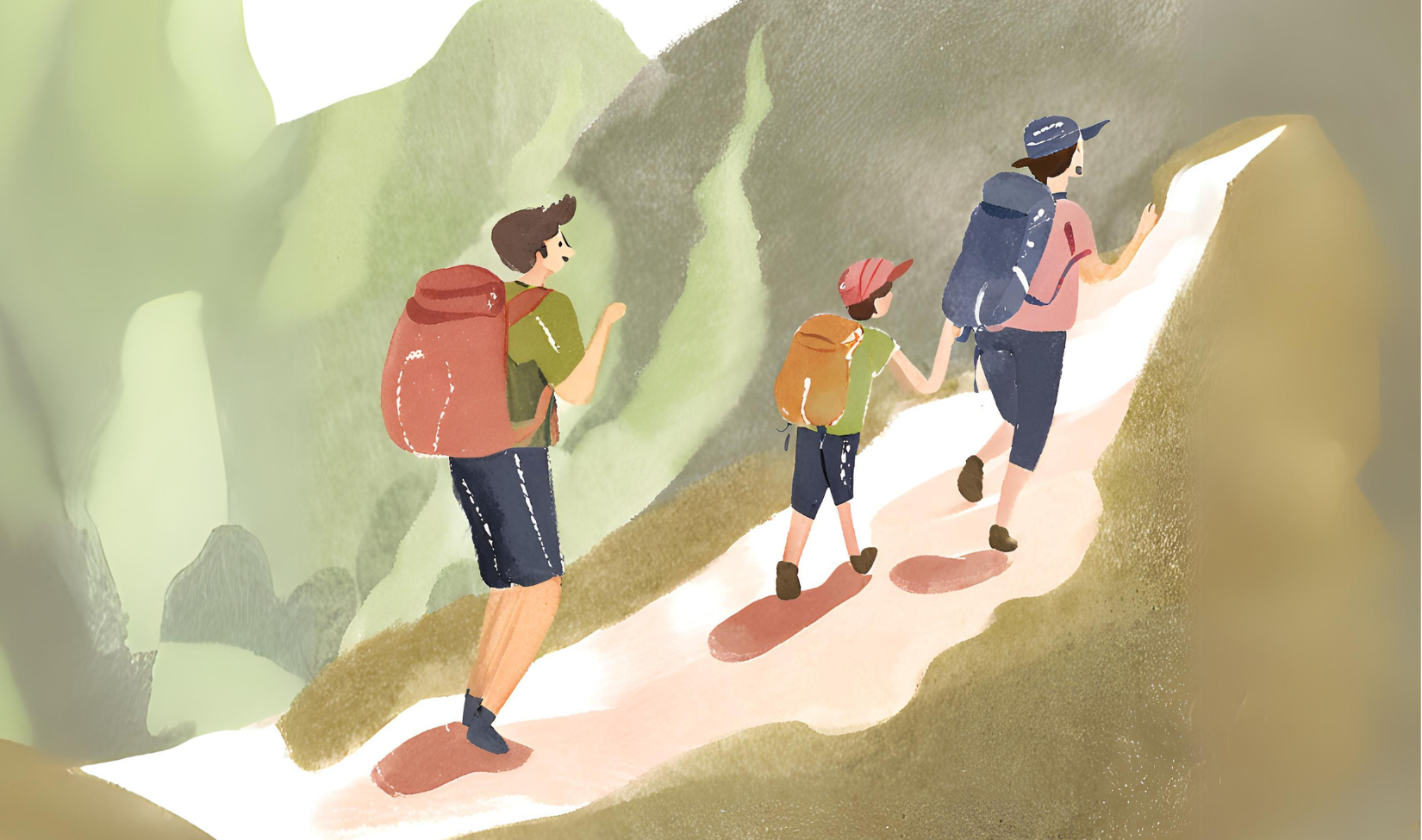
Why Hiking is the Ultimate Family Activity
Before we dive into trail recommendations and tips, let’s explore why hitting the trail is one of the best decisions you can make for your family’s well-being.
- Unplugged Connection: On a trail, notifications fade away. You’re present with each other, sharing conversations, discoveries, and silly songs without the constant pull of devices.
- Physical Health in Disguise: Hiking builds strength, coordination, and cardiovascular health for all ages. It’s fun fitness that doesn’t feel like a chore.
- Nature’s Classroom: Trails offer hands-on lessons in biology, geology, and ecology. Kids learn about ecosystems, animal tracks, and plant life in the most engaging way possible.
- Building Resilience & Confidence: Navigating a path, overcoming a small obstacle, or completing a mile fosters a sense of accomplishment and self-reliance in children.
- Accessible & Affordable: Unlike many forms of entertainment, hiking is low-cost. With a good pair of shoes and some water, you’re ready for an adventure.
- Distance & Duration: A general rule is a child can hike about 1/2 mile per year of age. For a mixed-age group, start with shorter loops of 1-2 miles. Always check the round-trip distance.
- Elevation Gain: Look for “flat” or “gentle” trails. A steep climb can quickly lead to whining and fatigue. An elevation gain of less than 200 feet per mile is usually manageable.
- Trail Surface: Paved, packed gravel, or well-maintained dirt paths are best. They’re easier for little legs to navigate and often allow for all-terrain strollers.
- Points of Interest: Trails with a “payoff” keep kids motivated. Look for routes featuring waterfalls, lakes, interesting rock formations, bridges, or historic sites.
- Amenities: For beginners, trails with restrooms at the trailhead, picnic areas, and clear cell service provide a safety net and added convenience.
- Proper Footwear: Closed-toe shoes with good grip are essential. Avoid sandals or flip-flops on all but the most paved paths.
- The Ten Essentials (Adapted for Families):
- Comfort & Safety Add-ons:
- A small backpack for each child to carry their own water and snack (it builds ownership!).
- Biodegradable wet wipes and hand sanitizer.
- A durable trash bag to pack out everything you bring in.
- A fully charged power bank for your phone.
- Play Trail Games: “I Spy,” scavenger hunts (find a smooth rock, a yellow leaf, a pinecone), or counting different types of birds.
- Give Them a Mission: Make kids the “official navigator” with a map, the “wildlife spotter” with binoculars, or the “geologist” tasked with finding cool rocks.
- Take Breaks and Explore: Don’t just power through. Stop at that interesting log, skip stones at the creek, and have a snack with a view.
- Practice “Leave No Trace” Together: Teach children to respect nature by staying on the trail, not picking flowers, and packing out all trash. It’s a valuable lesson in stewardship.
- The Leader/“Sweeper” System: One adult leads the way, setting the pace. Another adult stays at the back (“sweeps”) to ensure no one falls behind.
- The Rule of Thumb: Young children should always be within an adult’s arm’s reach on any trail with drop-offs, water, or potential hazards.
- Stop at All Trail Junctions: This is non-negotiable. The entire group stops and regroups at any fork or intersection to avoid anyone taking a wrong turn.
- Hydrate and Snack Proactively: Don’t wait until someone is thirsty or “hangry.” Take short water and snack breaks every 30-45 minutes.
- Know When to Turn Back: Your planned destination is not a mandate. If weather turns, energy fades, or morale dips, there’s no shame in heading back. The trail will be there another day.
- National Parks: Many have dedicated, easy “Junior Ranger” trails. Think: Yellowstone’s Fountain Paint Pot Trail, Yosemite’s Lower Yosemite Fall Trail, or Great Smoky Mountains’ Cataract Falls Trail.
- State Parks & Local Nature Preserves: These are often hidden gems with less crowding, excellent interpretive programs, and trails perfectly scaled for families.
- U.S. National Wildlife Refuges: These protected areas frequently have flat, wildlife-rich trails ideal for birdwatching and animal spotting.
- The National Forest System: Offers a vast network of trails. Use the “Kids & Families” filter on recreation.gov to find suitable options.
- Pick a Winner: Choose a trail rated “easy,” under 2 miles round-trip, with a compelling feature. A local nature center loop is a perfect first choice.
- Check Conditions: The day before, check the park’s website or trail app for closures, weather, and bug reports.
- Pack Together: Involve your kids in packing their small backpacks. It builds anticipation and responsibility.
- Set Expectations: Talk about the trail, what you might see, and the safety rules on the car ride there.
- Embrace the Pace: Let your child set the speed. Stop often, look closely, and follow their curiosity.
- Celebrate! Take a photo at the summit or endpoint, enjoy a special trail-mix treat, and talk about your favorite parts on the way home.
- Primary Keyword: “family-friendly trails” (Naturally integrated throughout, ~1.5% density).
- LSI/Secondary Keywords: “hiking with kids,” “easy hikes for families,” “kid-friendly hiking,” “outdoor family activities,” “nature trails for children.”
- Internal Link Suggestions:
[Family Hiking Gear for Every Season]– Link to a detailed gear guide/product roundup.[10 Games to Make Every Hike with Kids an Adventure]– Link to a fun, list-based activity post.[Best Fall Hikes for Families in New England]/[Desert Hiking with Kids: A Southwest Guide]– Link to regional content pillars.- External Link Suggestions:
- Link to AllTrails.com and HikingProject.com in the “Pro Tip” section.
- Link to the Leave No Trace Center for Outdoor Ethics (lnt.org) when mentioning the principles.
- Link to recreation.gov in the national resources section.
- Image Alt Text Suggestions:
- A smiling family hiking on a sunny forest trail: “Happy family with young children enjoying a hike on a kid-friendly forest path.”
- Close-up of a child pointing at a butterfly: “Child engaged in nature discovery on a family hiking trip.”
- Scenic waterfall at the end of a trail: “Rewarding waterfall destination on a family-friendly out-and-back hike.”
- Meta Description Suggestion: Discover how to choose & enjoy the best family-friendly trails for unforgettable outdoor adventures. Get expert tips on gear, safety, engaging kids, and finding perfect hikes near you!
- Social Sharing Snippet: Ready for adventure? Our complete guide to family-friendly trails will help you plan your next unforgettable outdoor experience! #FamilyHiking #GetOutside #KidsInNature
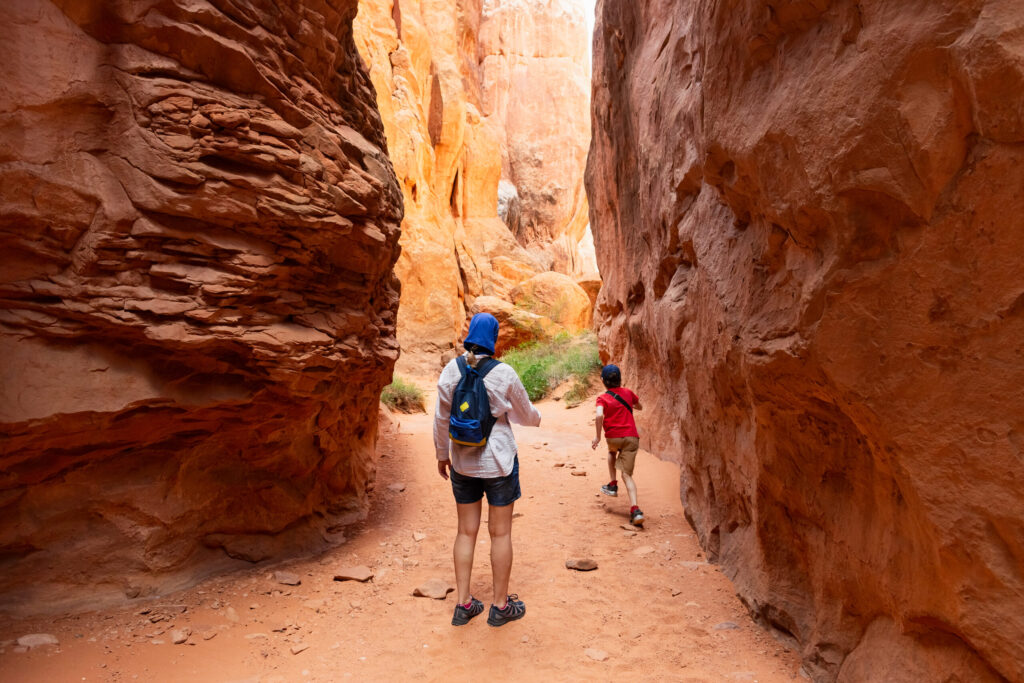
How to Choose the Perfect Family-Friendly Trail
Not all trails are created equal for a family outing. A trail that’s perfect for seasoned hikers can be a nightmare with young children. Use this checklist to evaluate potential hikes.
Key Factors to Consider:
Pro Tip: Utilize Trail-Finding Resources
Leverage apps and websites designed for hikers. AllTrails and Hiking Project allow you to filter searches specifically for “kid-friendly” trails, read recent reviews about current conditions, and see photos from other families.
Essential Gear for a Stress-Free Family Hike
Being prepared is the difference between a fond memory and a frustrating ordeal. You don’t need expensive gear, but these essentials are non-negotiable.
The Family Hiking Packing List:
1. Navigation: A physical map (not just a phone) and a compass.
2. Hydration: More water than you think you’ll need—at least one liter per person.
3. Nutrition: High-energy, low-mess snacks (trail mix, granola bars, fruit leather).
4. Insulation: An extra layer (fleece or light jacket) for everyone, even on warm days.
5. Sun Protection: Sunscreen, hats, and sunglasses.
6. First-Aid Kit: Include bandages, antiseptic wipes, blister treatment, and any personal medications.
7. Illumination: A headlamp or small flashlight per adult.
8. Fire Starter: Matches or a lighter in a waterproof container.
9. Repair Kit: Duct tape, a multi-tool, and zip ties can fix a surprising number of problems.
10. Emergency Shelter: A lightweight emergency blanket or bivy sack.
Ready to gear up for your first adventure? Check out our detailed guide on [Family Hiking Gear for Every Season] for curated product recommendations and packing checklists.
Top 5 Types of Family-Friendly Trails to Explore
Seek out these trail characteristics to maximize fun and engagement for your crew.
| Trail Type | Ideal For | What to Look For | Example Features |
| :— | :— | :— | :— |
| Loop Trails | All ages, especially beginners. | Circular routes that end where you start, preventing backtracking. | Forest loops, lake circuits, nature center trails. |
| Out-and-Back to a Feature | Motivating kids with a clear goal. | A defined destination (waterfall, viewpoint, beach) within a short distance. | 1-mile hike to a waterfall, path to a scenic overlook. |
| Interpretive/Nature Trails | Curious kids and learning. | Trails with numbered signs, guidebooks, or interactive elements. | Tree identification trails, sensory paths, historic site walks. |
| Rail-Trails | Strollers, bikes, and wide age ranges. | Converted railroad beds that are flat, wide, and often paved. | Long, gentle paths through towns and countryside. |
| Beach or Lakeside Paths | Summer hikes and toddler explorers. | Trails along shorelines with opportunities for splashing and rock-skipping. | Coastal walking paths, trails around pond perimeters. |
Engaging Kids on the Trail: From “Are We There Yet?” to “Can We Go Again?”
The magic is in the journey, not just the destination. Use these strategies to keep the adventure alive every step of the way.
Looking for more ideas? Our article on [10 Games to Make Every Hike with Kids an Adventure] is packed with printable scavenger hunts and creative activities.
Safety First: Family Hiking Best Practices
A safe hike is a fun hike. Drill these simple rules before you hit the trail.
Finding Trails Near You: A Starter List of National Resources
Wonderful family-friendly trails exist in every state. Here are some fantastic places to start your search:
For localized recommendations, explore our regional trail guides, like [Best Fall Hikes for Families in New England] or [Desert Hiking with Kids: A Southwest Guide].
Your First Family Hike: A Step-by-Step Plan
Feeling inspired? Here’s how to make your debut a roaring success.
Frequently Asked Questions (FAQs)
Q: At what age can I start hiking with my baby?
A: You can start very early with a quality front carrier or backpack carrier. Many parents hit easy trails when their baby is just a few months old. Always ensure your baby is protected from sun and weather and that you’re on a very safe, stable trail.
Q: What if my child refuses to walk?
A: This is common! Come prepared with a carrier as a backup for toddlers. For older kids, motivation is key—games, snacks, and the promise of a fun destination can work wonders. Sometimes, carrying them for a short “reset” break is all that’s needed.
Q: How do I handle bathroom breaks on the trail?
A: For little ones, bring a small travel potty or practice “going in the woods” at home in your backyard first. Teach older kids to find a private spot well off the trail (at least 200 feet from water). Always carry a zip-lock bag for used toilet paper and wipes to pack out.
Q: Are dogs allowed on family-friendly trails?
A: It varies widely. Always check the specific trail regulations beforehand. If dogs are allowed, they must be leashed and under control, both for their safety, your family’s, and the safety of wildlife and other hikers.
The Trail Awaits: Start Your Adventure Today
The path to unforgettable family memories is literally right outside your door. You don’t need to be an expert mountaineer or travel to a far-off national park to experience the joy of hiking together. Start small, stay prepared, and focus on the shared experience of discovery. Each hike builds confidence, creates inside jokes, and strengthens your family bond. The fresh air, the shared challenge, and the wonder of the natural world are gifts that keep on giving.
So, what are you waiting for? Lace up those shoes, pack those snacks, and CTA: explore a family-friendly trail this weekend. Your adventure—and your new favorite family tradition—begins with a single step.
—
Article Optimization Notes for Publication: