H1: Explore Family-Friendly Trails for Unforgettable Outdoor Experiences with Your Loved Ones
There’s something magical about hitting the trail with your family. It’s more than just a walk in the woods; it’s a chance to disconnect from screens, reconnect with each other, and create memories that will be cherished for a lifetime. The sound of your children’s laughter echoing through a forest, the shared wonder of spotting a deer, and the collective pride in reaching a scenic overlook—these are the moments that stick. If you’ve been wanting to introduce your kids to the joys of the great outdoors but feel unsure where to start, you’ve come to the right place. This guide is your friendly, step-by-step companion to finding and enjoying the perfect family-friendly trails, ensuring your next outdoor adventure is safe, fun, and truly unforgettable for everyone, from the tiniest toddlers to the most seasoned teens.

Why Hitting the Trail is the Ultimate Family Activity
In a world saturated with digital distractions, a family hike offers a priceless opportunity for genuine connection. Beyond the obvious physical benefits, exploring nature together strengthens family bonds and provides a rich, educational experience outside the classroom.
- Unplug and Reconnect: Leaving devices behind (or at least silencing them) allows for uninterrupted conversation and shared focus. You’ll be amazed at the stories your kids will tell when they’re not looking at a screen.
- Spark a Lifelong Love for Nature: Early positive experiences in the outdoors can instill a deep, lasting appreciation for the environment. You’re not just going for a walk; you’re raising the next generation of nature lovers and conservationists.
- Boost Physical and Mental Health: Hiking is a fantastic form of exercise for all ages, improving cardiovascular health, building strong bones and muscles, and reducing stress. The simple act of being in nature has been proven to lower cortisol levels and boost moods for both kids and adults.
- Create a Treasure Trove of Memories: The inside jokes, the silly trail names you invent, the triumph of conquering a “big” hill—these become part of your family’s unique story. An adventure shared on the trail becomes a story treasured for a lifetime.
- Consider Age and Ability: Be realistic about your youngest or least experienced hiker’s stamina.
- Toddlers & Preschoolers (Ages 2-5): Opt for short, flat loops under 1 mile. Look for trails with big payoffs like a stream, a cool rock formation, or a meadow close to the start.
- Early Elementary (Ages 5-8): Trails between 1-2 miles with minimal elevation gain are ideal. Interest points like waterfalls, bridges, or lots of wildlife sightings will keep them engaged.
- Tweens & Teens (Ages 9+): You can tackle longer distances (3-5 miles) and more elevation. Involve them in the planning process and consider trails with a rewarding view or a swimming hole at the end.
- Research is Key: Use apps and websites like AllTrails, REI’s Hiking Project, or local park district sites. Read recent reviews from other families—they often provide invaluable, real-world insights about current trail conditions and kid-appeal.
- Have a “Plan B”: Weather can change, moods can shift. Always have a backup plan, like a nearby picnic area or visitor center, just in case the main hike doesn’t pan out.
- The Ten Family Hiking Essentials:
- The “Fun” Extras: A magnifying glass for inspecting bugs and leaves, a small pair of binoculars for bird watching, and a digital camera or a journal and crayons can enrich the experience immensely.
- Let the Kids Lead: Allowing your children to set the pace (within reason) gives them a sense of ownership and control. They’ll be more invested in the journey.
- Embrace the Stops: Plan to stop often. Look under logs, skip rocks across a pond, and simply listen to the sounds of the forest. It’s these unplanned moments of discovery that are often the most memorable.
- Play Trail Games: Keep minds engaged and spirits high with simple games.
- “I Spy” (Nature Edition): “I spy with my little eye… something that is green and prickly.”
- Scavenger Hunt: Create a list of items to find (a smooth rock, a Y-shaped stick, a feather, a pinecone).
- Trail Bingo: Make bingo cards with pictures of common trail sights (a squirrel, a specific flower, a mushroom).
- The “Rule of Thumb”: Teach kids to stay close enough that they can always see you. A good rule is that they should be no further ahead than you can count to ten.
- Stop, Don’t Stray: Make a firm family rule: if anyone gets separated from the group, they must STOP right where they are, stay on the trail, and blow their whistle (add a whistle to each child’s pack!). The rest of the group will backtrack to find them.
- Wildlife Wisdom: Teach children to observe wildlife from a distance. Never approach or feed animals. Make noise while you hike to avoid surprising larger animals.
- Leave No Trace: Instill a respect for nature by following the seven principles of Leave No Trace. Pack out all your trash, stay on designated trails, and leave rocks, plants, and other natural objects as you find them.
- The Post-Hike Picnic: Pack a special lunch to enjoy at a scenic spot. Let the kids help plan and pack the meal—it builds anticipation.
- Nature Journaling: Bring along a notebook. Have everyone draw their favorite thing they saw on the hike or write a few sentences about their experience.
- Geocaching: Turn your hike into a real-life treasure hunt. This free activity uses GPS coordinates to find hidden “caches” all over the world.
- Celebrate with a Treat: Make a post-hike tradition, like stopping for ice cream or hot chocolate on the way home. This gives everyone something to look forward to and creates a positive association with hiking.
- Anchor: “essential day hiking gear” -> Link to an article detailing the best backpacks, shoes, and clothing for family hikes.
- Anchor: “easy and scenic trails near you” -> Link to a localized directory or blog series featuring trail reviews.
- Anchor: “mastering Leave No Trace principles” -> Link to a deep-dive guide on outdoor ethics for families.
- Link: AllTrails (for trail finding and reviews)
- Link: Leave No Trace Center for Outdoor Ethics (for authoritative guidelines)
- Link: REI Expert Advice – Hiking with Kids (for additional tips and gear advice)
- A smiling family with young children hiking on a sunny forest trail.
- Close-up of a child’s hand holding a magnifying glass over a interesting insect on a log.
- Family enjoying a picnic at a scenic overlook after a successful hike.
- A parent carrying a toddler in a backpack carrier on a mountain path.
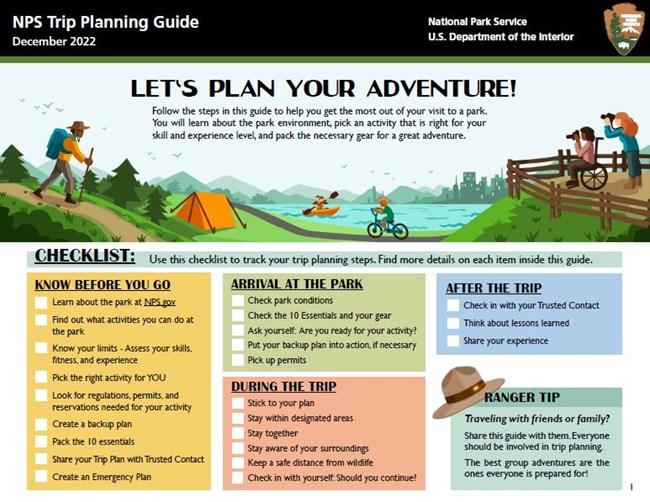
Your Pre-Hike Checklist: Planning for Success
A little preparation is the secret ingredient to a stress-free and enjoyable family hike. Taking these steps beforehand ensures that minor hiccups don’t derail your fun.
H3: Choosing the Perfect Trail for Your Crew
Selecting the right path is the most critical step. A trail that’s too difficult can lead to frustration, while one that’s too easy might bore older kids.
H3: The Family Daypack: What to Pack for a Smooth Adventure
Packing the right gear can turn a potential meltdown into a minor bump in the road. The key to happy little hikers is a well-stocked backpack.
1. Hydration: More than you think! Pack a water bottle for each person, plus an extra. Consider a hydration reservoir for kids so they can sip on the go.
2. Nutrition: High-energy, low-mess snacks are a must. Think trail mix, granola bars, fruit leather, and crackers. Pack a few extra “treat” snacks for motivation.
3. First-Aid Kit: Don’t just buy one—customize it. Include plenty of adhesive bandages (fun shapes are a hit), antiseptic wipes, moleskin for blisters, and any personal medications.
4. Navigation: A charged phone with a downloaded trail map is good, but a physical map and compass as a backup is even better.
5. Sun Protection: Kid-safe sunscreen, wide-brimmed hats, and sunglasses for everyone.
6. Insulation: Weather can change in an instant. Pack an extra layer like a lightweight fleece or rain jacket for each family member.
7. Illumination: A small headlamp or flashlight, even for a day hike, in case your adventure takes longer than expected.
8. Emergency Shelter: A lightweight emergency blanket takes up almost no space but provides crucial peace of mind.
9. Fire Starter: Waterproof matches or a lighter.
10. Repair Kit: Duct tape wrapped around a water bottle and a multi-tool can fix a surprising number of problems.
On the Trail: Strategies for Engagement and Safety
You’ve picked the trail and packed the bag. Now for the main event! How you manage the hike itself will determine its success.
H3: Setting the Pace: It’s About the Journey, Not the Destination
Forget speed records. A family hike is a meandering, exploratory adventure.
H3: Trail Safety: A Family Affair
Safety is non-negotiable, and it’s a great thing to teach kids from the very beginning.
Top Family-Friendly Trail Features to Look For
When you’re researching, keep an eye out for these trail characteristics that are almost guaranteed to be a hit with kids.
| Feature | Why Kids Love It | What to Look For |
| :— | :— | :— |
| Water Features | Splashing, skipping rocks, and looking for tadpoles is irresistible. | Streams, creeks, ponds, waterfalls, or lakefront trails. |
| Rock Formations | Natural playgrounds for climbing and exploring. | Large boulders, small scrambles, or caves (never enter deep caves). |
| Diverse Flora & Fauna | Constant visual interest and opportunities for discovery. | Trails that pass through different environments (forest, meadow, wetland). |
| Clear Landmarks | Provides a sense of progress and accomplishment. | Bridges, boardwalks, distinctively shaped trees, or interpretive signs. |
| Designated Picnic Areas | A built-in reward and a chance to refuel. | Trails that end at or pass by a picnic table or scenic overlook. |
Beyond the Hike: Making a Full Day of Your Outdoor Adventure
The fun doesn’t have to stop when the trail ends. Extend the magic by pairing your hike with another simple, nature-based activity.
Frequently Asked Questions About Family Hiking
Q: What if my child just refuses to walk anymore?
A: This is a rite of passage for every hiking family! First, try a motivating snack, a fun game, or a promise of a short carry if they walk to the next big tree. For younger children, a child carrier backpack is a fantastic investment for these exact moments. For older kids, patience and encouragement are key. Sometimes, just taking a five-minute break is enough to reset.
Q: How do I handle bathroom breaks on the trail?
A: Plan ahead. Always use facilities at the trailhead if available. For on-trail needs, teach older kids how to find a private spot well away from the trail and any water sources. For little ones, bring a portable potty or training seat and pack out waste in biodegradable bags. Carry hand sanitizer for everyone.
Q: Are there any apps that can help make hiking more engaging for kids?
A: Absolutely! Apps like iNaturalist help you identify plants and animals, turning your hike into a science lesson. Geocaching apps lead you on a treasure hunt. Just remember to use them as a tool for engagement, not a replacement for observing the world around you.
Q: What’s the best way to start hiking with a baby?
A: A quality, comfortable baby carrier is your best friend. Start with very short, smooth trails to see how your baby tolerates it. Time your hike with their nap schedule, and be prepared for frequent stops for feeding and diaper changes. Keep it simple and low-pressure.
Your Next Family Adventure Awaits
Exploring family-friendly trails is one of the most rewarding investments you can make in your family’s health, happiness, and collective memory bank. It’s not about how far you go or how fast you get there; it’s about the shared experience of fresh air, discovery, and time spent fully present with one another. The trail is waiting to be your family’s newest favorite playground. So lace up those shoes, pack those snacks, and take that first step toward your next unforgettable outdoor experience. The memories you’ll create are just around the bend.
—
Internal Link Suggestions:
External Link Suggestions:
Image Alt Text Suggestions: