Day 4: The Pivotal Point Where Habits Begin to Form
Have you ever started a new project, diet, or fitness routine with explosive enthusiasm, only to find your motivation fizzling out just a few days in? You’re not alone. This is where Day 4 emerges from the calendar not as just another date, but as a critical psychological and behavioral milestone. It’s the make-or-break moment in the lifecycle of a new habit, the day where initial excitement meets the first real test of discipline. Whether you’re building a business, learning a skill, or committing to a healthier lifestyle, understanding the power of Day 4 can be the difference between fleeting effort and lasting transformation. This article will unpack why this specific day is so significant, provide actionable strategies to conquer it, and show you how to leverage it to build unshakeable momentum. Let’s explore how mastering this single day can set the trajectory for your long-term success.

Why Day 4 Is More Than Just a Number
We often hear about the “21-day habit rule” or the “30-day challenge,” but the early days, particularly Day 4, hold the key to whether you’ll even reach those longer milestones. Day 4 represents a crucial transition point in the behavioral change cycle.
The Science of the Habit Loop
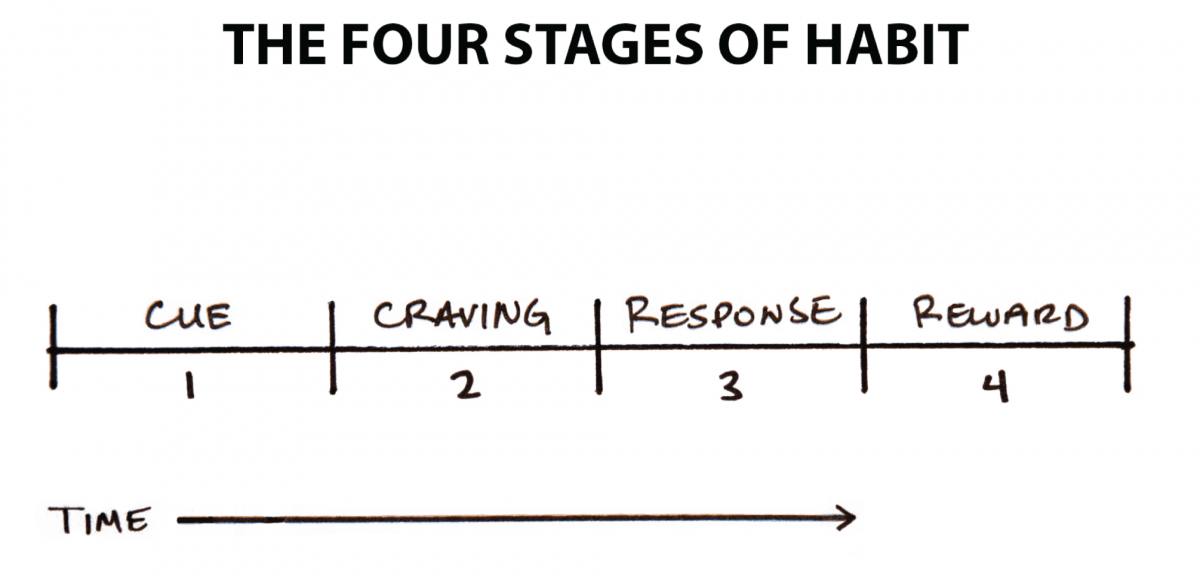
Every habit, good or bad, follows a neurological loop: Cue, Routine, Reward. The first three days of a new endeavor are often powered by novelty. The cue is fresh, the routine is new and interesting, and the reward is the satisfaction of starting. By Day 4, the novelty wears off. Your brain has started to recognize the pattern but hasn’t yet automated it. You’re in a vulnerable gap—no longer a beginner, but not yet proficient.
This is where conscious effort is at its peak, and resistance is strongest. The initial dopamine hit from “starting something new” has faded, and the long-term rewards still feel distant. Understanding this science isn’t just academic; it prepares you for the mental battle, framing Day 4 not as a failure point but as a predictable and conquerable phase.
The Psychological Hump: Moving Beyond Motivation
Days 1-3 often run on pure motivation. You’re inspired by a vision, a New Year’s resolution, or a compelling “why.” Motivation, however, is a fickle fuel source. It fluctuates with your energy, mood, and external circumstances.
Day 4 is typically the day motivation dips for the first time. You might wake up tired, busy, or simply less excited. This is the hump you must get over. Success on Day 4 means you begin the vital shift from being motivation-dependent to discipline-driven. You show up not because you feel like it, but because you committed to it. This act strengthens your self-trust and identity. You’re no longer just “trying” something; you’re becoming someone who follows through.
The Common Day 4 Pitfalls (And How to Avoid Them)
Recognizing the traps that await on Day 4 is half the battle. Here are the most common challenges and strategic ways to navigate them.
1. The “All-or-Nothing” Mindset
This is the perfectionist’s downfall. You miss one small part of your new routine—maybe you didn’t meditate for the full 20 minutes or you ate a cookie on your clean-eating plan—and your brain screams, “Well, I’ve ruined it!” This leads to abandoning the entire effort.
- Strategy: Embrace the “Non-Zero Day.” The rule is simple: do something, however tiny, that moves you toward your goal. Didn’t run 3 miles? Walk for 10 minutes. Can’t write 1000 words? Write one paragraph. The goal on Day 4 is consistency, not perfection. A 1% effort is infinitely better than a 0% effort, as it keeps the habit chain intact and your identity as “someone who does this” alive.
- Strategy: Ruthlessly Simplify and Automate. Reduce the number of decisions needed.
- Preparation: Lay out your workout clothes the night before. Pre-pack your healthy lunch.
- Schedule: Block time for your new habit in your calendar as a non-negotiable appointment.
- Environment Design: Make the good habit easier (leave your book on your pillow) and the bad habit harder (delete social media apps during work hours).
- Strategy: Inject Micro-Variations and Connect to Your “Why.”
- Variation: If you’re running, try a new route or playlist. If you’re learning a language, use a different app or practice with a short, fun video.
- Reconnect: Spend 5 minutes journaling about your core reason for starting. Visualize how you’ll feel one month from now if you persist. Reconnecting with your deeper purpose can reignite a more sustainable form of motivation.
- Review: Briefly acknowledge your three-day streak. Give yourself a mental pat on the back.
- Plan: Write down the single, most important action for your new habit tomorrow. Be specific: “I will walk for 15 minutes at 7:30 AM.”
- Prepare: Execute your simplification strategy. Set out your gear, prep your materials, etc.
- Commit Publicly (Optional but Powerful): Tell a friend or post in an accountability group: “Day 4 of my 5 AM writing session tomorrow. Check in on me!”
- Start Small: If resistance feels overwhelming, use the “5-Minute Rule.” Promise yourself you’ll only do the activity for five minutes. Often, starting is the only hurdle, and you’ll continue past five minutes.
- Practice Self-Compassion: If you struggle, talk to yourself like you would a good friend. “This is normal. Day 4 is tough for everyone. Let’s just do the smallest version possible.”
- Seek a Spark: Listen to a short podcast, read an inspirational quote, or watch a 90-second video related to your goal to give yourself a quick boost.
- Day 7: One full week! Treat yourself to a small, healthy reward.
- Day 10: Double digits. Reflect on how the routine already feels slightly easier.
- Day 14: Two weeks. Share your progress with someone supportive.
- Anchor Text: “the science of habit formation” → Link to an in-depth article on the neuroscience of habits.
- Anchor Text: “how to build discipline” → Link to a guide on developing willpower and routine.
- Anchor Text: “habit tracking apps” → Link to a review or comparison post of popular tools like Habitica or Streaks.
- Link to a seminal study on habit loops from a .edu or .org domain (e.g., MIT News).
- Link to the concept of “Non-Zero Days” from the original Reddit thread for context.
- For a header image: “Person marking Day 4 on a calendar with a feeling of accomplishment”
- For an infographic: “Visual diagram of the habit loop: Cue, Routine, Reward”
- For a motivational image: “Runner pushing through a tough point on a path, symbolizing Day 4 effort”
2. Decision Fatigue
Every new habit requires a series of micro-decisions. By Day 4, the mental energy required to keep making these decisions can lead to exhaustion, making the easy, old habit (like scrolling on the couch) far more appealing than the new one (like going to the gym).
3. The Disappearance of Novelty
The fun of “something new” has dissipated. The routine now feels repetitive, and the end goal seems far away.
Your Action Plan for Conquering Day 4
Don’t leave Day 4 to chance. Have a battle plan ready to execute.
The Night Before (Day 3): Strategic Preparation
Your success on Day 4 is largely determined by your actions on Day 3.
The Morning Of: Winning the First Hour
1. Don’t Think, Just Do: When the alarm goes off or the scheduled time arrives, avoid internal debate. Remember your pre-made decision from the night before and initiate the routine on autopilot. Put on the shoes. Open the document. Sit on the meditation cushion.
During the Day: Maintaining Momentum
1. Track Visibly: Mark a big, satisfying “X” on a calendar or in a habit-tracking app. This visual proof of progress is a powerful reward in itself.
Building on Your Day 4 Success: The Road to Day 21 and Beyond
Getting through Day 4 isn’t an end; it’s a launchpad. It proves you can operate on discipline, not just emotion. Here’s how to use that victory.
The Power of the Streak
Once you complete Day 4, you have a 4-day streak. Human brains are wired to value streaks. The thought of breaking that chain becomes a new, powerful motivator. Your focus shifts from “Do I feel like doing this?” to “I don’t want to break my streak.” Protect it fiercely.
From Conscious Effort to Unconscious Habit
Days 5-10 will still require effort, but you’ve now overcome the first major resistance point. Each successive day reinforces the neural pathway. You’re moving from the “Conscious Incompetence” stage (you know what to do but it’s hard) toward “Conscious Competence” (you can do it with focused effort). Eventually, with enough repetition, it becomes “Unconscious Competence“—a true, automatic habit.
Celebrating Mini-Milestones
Don’t wait for Day 30 to celebrate. Acknowledge your wins:
Frequently Asked Questions About Day 4
Q: What if I’ve already failed multiple times before Day 4?
A: That’s incredibly common. It simply means you now have valuable data. Analyze what tripped you up—was it a specific time of day, a lack of preparation, or an unrealistic goal? Use that insight to redesign your approach for your next “Day 1.” Every restart is smarter than the last.
Q: Is Day 4 the same for every habit?
A: The principle is universal, but the intensity can vary. A habit that requires a major lifestyle change (like quitting sugar) may have a more difficult Day 4 than a simpler one (like drinking a glass of water each morning). The key is to anticipate resistance proportional to the habit’s difficulty.
Q: What if I legitimately can’t complete my full habit on Day 4 due to an emergency?
A: This is why the “Non-Zero Day” principle is essential. Life happens. If you can’t do the full routine, perform a “habit rehearsal”—a symbolic, miniature version. Do one push-up. Read one page. Meditate for 60 seconds. This keeps the identity and pattern intact without guilt.
Q: How do I handle multiple new habits at once?
A: This is a prime reason people fail by Day 4. Extreme focus is your friend. Stack one habit successfully through the first 7-10 days before even considering adding a second. Trying to change everything at once is a recipe for decision fatigue and overwhelm.
Conclusion: Your Turning Point Awaits
Day 4 is not your enemy; it’s your proving ground. It’s the universe’s first real test of your commitment, separating fleeting wishes from genuine goals. By understanding its psychological significance, anticipating its challenges, and arming yourself with a concrete plan, you transform Day 4 from a stumbling block into a stepping stone.
Remember, the magic isn’t in never feeling resistance—it’s in acting despite it. When you push through the discomfort of Day 4, you send a powerful message to yourself: “I am in charge. My commitments are stronger than my moods.” This single victory builds a foundation of self-trust that makes Day 5, Day 10, and Day 100 not only possible but probable.
Your next Day 4 is coming. Will you let it be the day you gave up, or the day you leveled up? Prepare for it, embrace the grind, and watch as this pivotal point becomes the catalyst for the lasting change you seek.
—
Publication & SEO Recommendations
Internal Link Suggestions:
External Link Suggestions (Open in New Window):
Link to Charles Duhigg’s The Power of Habit* book on a reputable site like Amazon or the author’s page.
Image Alt Text Suggestions:
Social Sharing Snippet: “Day 4 is where habits are made or broken. Discover why this single day is the most important milestone for any new goal and how to conquer it. #HabitFormation #Productivity #SelfImprovement”