Must-Experience Colorado and Pacific Northwest Hikes in 2026: Discover Sustainable Trails & Adventure
Imagine standing on a ridge where the air is so crisp it feels like a new beginning, with endless peaks unfolding before you. Or wandering through an ancient, moss-draped forest where every step feels like a journey through time. The American West holds some of the planet’s most breathtaking trails, and 2026 is shaping up to be a landmark year for explorers who care deeply about preserving these wonders. This isn’t just about checking iconic hikes off a list; it’s about engaging with the landscape in a way that ensures its majesty endures for generations to come. Sustainable adventure is the new frontier, blending profound natural connection with proactive stewardship.
This guide is your curated portal to the must-experience hikes in Colorado’s majestic Rockies and the Pacific Northwest’s lush, volcanic landscapes for the 2026 season. We’ll move beyond the well-trodden paths to highlight trails that offer incredible beauty while showcasing innovative conservation efforts, responsible access, and low-impact practices. You’ll discover not only where to go but, more importantly, how to tread lightly and give back, transforming your hike from a simple outing into a meaningful contribution to the trails you love. Let’s lace up our boots for an adventure that leaves no trace but a lasting impression.

The 2026 Hiker’s Mindset: Adventure Meets Stewardship
The classic image of a hiker—solitary, seeking untouched wilderness—is evolving. As trail use surges, a new ethos is taking root: the Conscious Explorer. For 2026, the most rewarding adventures will be those that harmonize personal challenge with planetary care. It’s about understanding that our footprints have weight and choosing to make them as gentle as possible.
This shift is driven by necessity. Popular parks are implementing timed entry permits to reduce overcrowding, trail restoration nonprofits are more active than ever, and hikers are increasingly adopting Leave No Trace 2.0—principles that go beyond packing out trash to include actions like staying on durable surfaces to prevent erosion and minimizing campfire impacts in drought-prone regions. Your hike in 2026 can be part of the solution. By choosing trails managed with sustainability at their core, using designated campsites, and perhaps even volunteering for a trail maintenance day, you become a partner in preservation. The adventure becomes richer, knowing you’re helping protect the very beauty that draws you in.
—
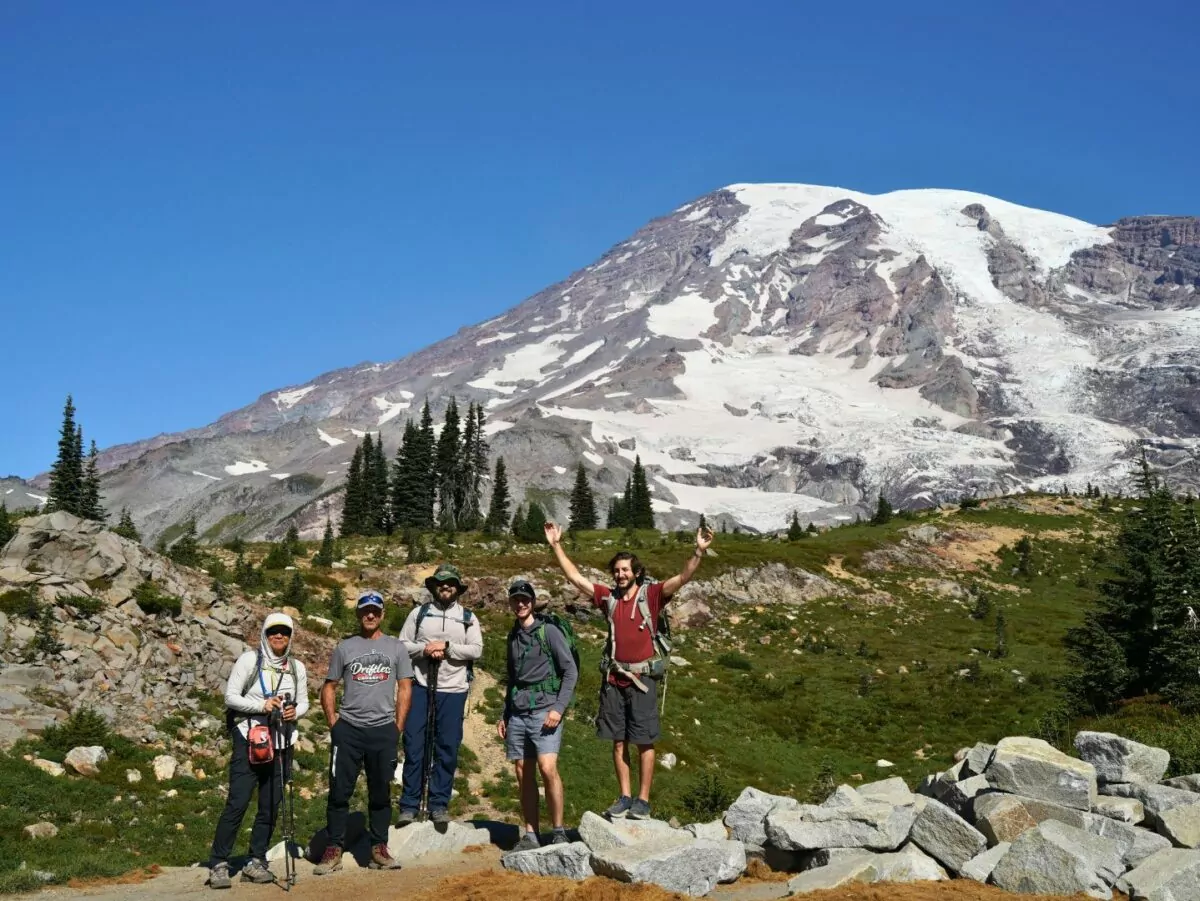
Colorado’s Crown Jewels: Alpine Adventures & Sustainable Access
Colorado’s Rocky Mountains offer a symphony of high-altitude splendor, from wildflower-carpeted valleys to windswept, 14,000-foot summits. For 2026, we’re focusing on trails that balance epic scenery with forward-thinking management and opportunities for low-impact exploration.
1. The Four Pass Loop (Maroon Bells-Snowmass Wilderness)
* Distance: 26-28 miles (loop)
- Difficulty: Strenuous
- Permit Required: Yes (Highly competitive for 2026; apply early)
- Difficulty: Very Strenuous
- Unique Access: Durango & Silverton Narrow Gauge Railroad
- Difficulty: Moderate
- Permit Required: No (Day Use)
- Difficulty: Very Strenuous
- Permit Required: Yes (Extremely competitive lottery)
- Difficulty: Strenuous
- Permit Required: Self-issue at trailheads
- Difficulty: Moderate to Strenuous
- Permit Required: Yes (for overnight)
- Research Permits: Understand the system for your chosen trail. Apply the moment applications open for competitive lotteries.
- Gear for Low Impact: Invest in a lightweight camp stove, a bear-resistant food canister, and if needed, a WAG bag system. The right gear prevents resource damage.
- Travel in Small Groups: This reduces noise, waste, and physical impact on the trail.
- Stay on Designated Trails: Even if it’s muddy. Walking off-trail erodes soil and damages plant life, especially in alpine zones.
- Camp on Durable Surfaces: Use established campsites or sites on rock, sand, or dry grass—never on fragile meadow vegetation.
- Pack Out ALL Waste: This includes food scraps, toilet paper (in a bag), and any other litter. “Biodegradable” doesn’t mean it belongs in the wilderness.
- Volunteer: Organizations like the Colorado Fourteeners Initiative or the Washington Trails Association rely on volunteers for trail maintenance. Schedule a work party weekend.
- Donate: Consider donating the cost of a few energy bars to the nonprofit that maintains your favorite trail.
- Educate & Advocate: Share your sustainable practices quietly on the trail and your positive experiences online to promote responsible recreation.
Arguably Colorado’s most famous backpacking route, the Four Pass Loop circumnavigates the iconic Maroon Bells. For 2026, its inclusion is a lesson in responsible popularity. The area operates under a strict permit system to protect its fragile alpine ecosystem.
Why It’s a Must for 2026: Beyond the soul-stirring vistas across four major mountain passes (all above 12,000 feet), this loop is a case study in managed access. Hikers are required to use designated, durable campsites to prevent the creation of dozens of new, scarring sites. In 2026, consider linking your hike to a donation or awareness campaign for the Continental Divide Trail Coalition, which works on broader regional conservation. The key to a sustainable experience here is rigid adherence to permit rules, using a camp stove instead of building fires, and packing out everything.
Pro-Tip: Train for altitude well in advance. Acclimatize in Aspen or Leadville for a day or two before starting. Your preparedness ensures a safer, more enjoyable hike that minimizes risk and resource strain on rescue services.
2. Chicago Basin & Sunlight Peak (Weminuche Wilderness)
* Distance: Varies; 16+ miles round-trip to base
For a truly unique and low-impact entry into Colorado’s largest wilderness area, the historic train to Needleton is a 2026 highlight. You’ll ride the Durango & Silverton Railroad, reducing vehicle traffic on remote mountain roads, before disembarking to hike into the stunning Chicago Basin, home to several “fourteeners.”
Why It’s a Must for 2026: This adventure reduces your carbon footprint from the start. The train journey itself is spectacular. Once in the basin, practice strict bear safety protocols using certified bear canisters—a non-negotiable for protecting wildlife. The Weminuche is a stronghold for native species, and our behavior directly impacts their wellbeing. The sense of remoteness and commitment required here epitomizes the sustainable, deep-wilderness experience.
Sustainable Trail Snapshot: Colorado
| Trail | Core Sustainability Feature | 2026 Hiker Action |
| :— | :— | :— |
| Four Pass Loop | Strict Permit & Campsite System | Book early, stay on site, donate to CDT Coalition |
| Chicago Basin | Train Access, Wilderness Core | Use bear canisters, respect wildlife distance |
| Lost Man Loop | Lower Traffic, Restoration Zones | Stay on trail, join a volunteer day with Roaring Fork Conservancy |
3. Lost Man Loop (Near Independence Pass)
* Distance: 9 miles (loop)
If you’re seeking high-alpine beauty without the multi-day commitment, the Lost Man Loop is a perfect 2026 day hike. Starting above 10,000 feet, it offers breathtaking views of the Continental Divide and passes by serene alpine lakes.
Why It’s a Must for 2026: This trail sees less pressure than the Maroon Bells but is still vulnerable. It’s an ideal place to practice “Leave No Trace” micro-actions: walking through mud instead of around it (to prevent trail widening), not picking wildflowers, and keeping noise levels low to preserve the natural soundscape. Its accessibility makes it a great platform for educating fellow hikers on sustainable practices by modeling good behavior.
—
Pacific Northwest Wonders: Volcanic Landscapes & Ancient Forests
The Pacific Northwest offers a different kind of magic: the deep, quiet grandeur of old-growth forests and the dramatic, raw power of volcanic geology. Sustainability here means protecting delicate ecosystems like alpine meadows and fragile cryptobiotic soil crusts in the east.
1. The Enchantments Core Zone (Alpine Lakes Wilderness, WA)
* Distance: 18-20 miles point-to-point
A landscape of mythic beauty, the Enchantments feature stark granite peaks, crystal-clear lakes, and mountain goats that seem like permanent residents. The permit system for the Core Zone is famously strict, making a successful 2026 trip a prized achievement.
Why It’s a Must for 2026: This is the pinnacle of permit-protected wilderness. The extreme limitation on overnight visitors is what preserves its ethereal quality. If you secure a permit, your responsibility is immense. This includes using approved waste disposal bags (like WAG bags) for human waste—a critical practice in this high-altitude, rocky environment where decomposition is incredibly slow. Protecting the water quality of its pristine lakes is a direct result of hiker compliance.
2. Timberline Trail Circumnavigating Mt. Hood (OR)
* Distance: ~40 miles (loop)
This trail offers constantly evolving perspectives of Oregon’s tallest peak, crossing glacial streams, lush forests, and barren pumice slopes. For 2026, it’s a hike that tells a story of both change and resilience.
Why It’s a Must for 2026: The Timberline Trail is an active classroom in climate-impacted hiking. River crossings can be hazardous due to glacial melt, and sections of the trail are frequently rerouted due to erosion. Hiking it responsibly means checking recent trail reports from the Mount Hood National Forest, being prepared to turn back at unsafe crossings, and sticking to new, durable trail reroutes instead of following old, washed-out paths. It’s an adventure that requires flexibility and respect for natural forces.
3. Hoh River Trail to Blue Glacier (Olympic National Park, WA)
* Distance: 35+ miles round-trip
Journey from a temperate rainforest so lush it feels prehistoric to the icy toe of Mount Olympus’s Blue Glacier. This trail showcases the breathtaking biodiversity of the Pacific Northwest.
Why It’s a Must for 2026: This is a masterclass in ecosystem transition preservation. The Hoh Rainforest receives over 12 feet of rain annually, creating a fragile environment. Sustainable hiking here means using established campsites and tent pads to avoid damaging the spongy, saturated ground. It also means being “Rainforest Ready” with proper gear to stay dry and comfortable, reducing the urge to cut trips short or create damaging, adobe shelters. Your preparation directly contributes to the trail’s preservation.
Sustainable Trail Snapshot: Pacific Northwest
| Trail | Core Sustainability Feature | 2026 Hiker Action |
| :— | :— | :— |
| The Enchantments | Ultra-Strict Overnight Quotas | Use WAG bags, secure permits ethically |
| Timberline Trail | Dynamic, Climate-Impacted Route | Follow new reroutes, respect stream closures |
| Hoh River Trail | Fragile Rainforest & Alpine Zones | Use tent pads, pack rain gear, store food properly |
—
Your 2026 Sustainable Hiking Action Plan
Making your adventure sustainable requires intention before you even hit the trail. Here’s your checklist for 2026:
1. Plan & Prepare Smartly:
2. Walk Gently on the Land:
3. Give Back as You Go:
Frequently Asked Questions (FAQs)
Q: How far in advance do I need to plan for 2026 hikes?
A: For major trails with permits (Enchantments, Four Pass Loop), research should begin in late 2025. Lottery applications often open 6-8 months in advance. For other trails, securing campsite reservations or lodging in gateway towns 3-6 months out is wise.
Q: What is the single most important piece of sustainable gear?
A: A bear canister (where required) or a WAG bag system for human waste. Both are non-negotiable for protecting wildlife and water sources, and are far more effective and sustainable than older methods like hanging food bags or digging catholes in fragile areas.
Q: Are these hikes suitable for beginners?
A: Most listed here are strenuous and best suited for intermediate to advanced hikers with backpacking experience. Beginners should build skills on shorter, less technical trails first. Consider a guided trip with a reputable, eco-focused outfitter to learn best practices in a supported environment.
Q: How can I stay updated on trail conditions for 2026?
A: Bookmark the official land manager websites (US Forest Service, National Park Service) and check reliable user forums like AllTrails or Washington Trails Association for recent trip reports as your date approaches. Conditions can change rapidly.
—
The Trail Ahead: Your Adventure Awaits
The mountains and forests of Colorado and the Pacific Northwest are calling for 2026, but they’re asking for a new kind of partnership. They offer boundless adventure, profound peace, and the kind of perspective that only vast, wild places can provide. In return, they need us to be mindful guests—to walk softly, plan thoughtfully, and contribute to their enduring health.
Your 2026 hiking journey can be more than a personal accomplishment; it can be a testament to a new era of outdoor recreation. By choosing sustainable trails, adopting low-impact habits, and giving back to the trails that gift us so much, you ensure that these iconic landscapes remain vibrant and accessible long after your boots have left the path. So study the maps, prepare your gear, and embrace the mindset of a steward. An unforgettable, meaningful adventure is waiting. See you on the trail.
Ready to take the next step? Explore volunteer opportunities with the Continental Divide Trail Coalition or the Washington Trails Association to start your journey as a trail steward today.