The Future of Hiking: Ultralight Backpacks, Carbon Poles, and Sustainable Gear for 2026

Introduction: Why Your Next Hike Needs a Green and Light Revolution
Imagine cresting a ridge with a pack that feels like a feather on your shoulders, trekking poles that are extensions of your own momentum, and the profound satisfaction of knowing every piece of gear was chosen with the planet in mind. The world of hiking is undergoing a transformative shift. It’s no longer just about the miles covered or the summits bagged; it’s about how we get there. As we look toward 2026 hiking trends, a powerful convergence is taking place: the relentless pursuit of ultralight performance is finally marrying a deep commitment to sustainability. This article is your guide to navigating this exciting new landscape. We’ll dive deep into the engineering marvels of the modern ultralight backpack, explore the strength and agility of carbon trekking poles, and unpack the innovative world of sustainable hiking gear made from groundbreaking eco-friendly materials. Whether you’re a weekend warrior or a thru-hiking veteran, understanding these trends is key to a lighter footprint—both on your body and on the Earth. Let’s explore the gear that will define the trails of tomorrow.
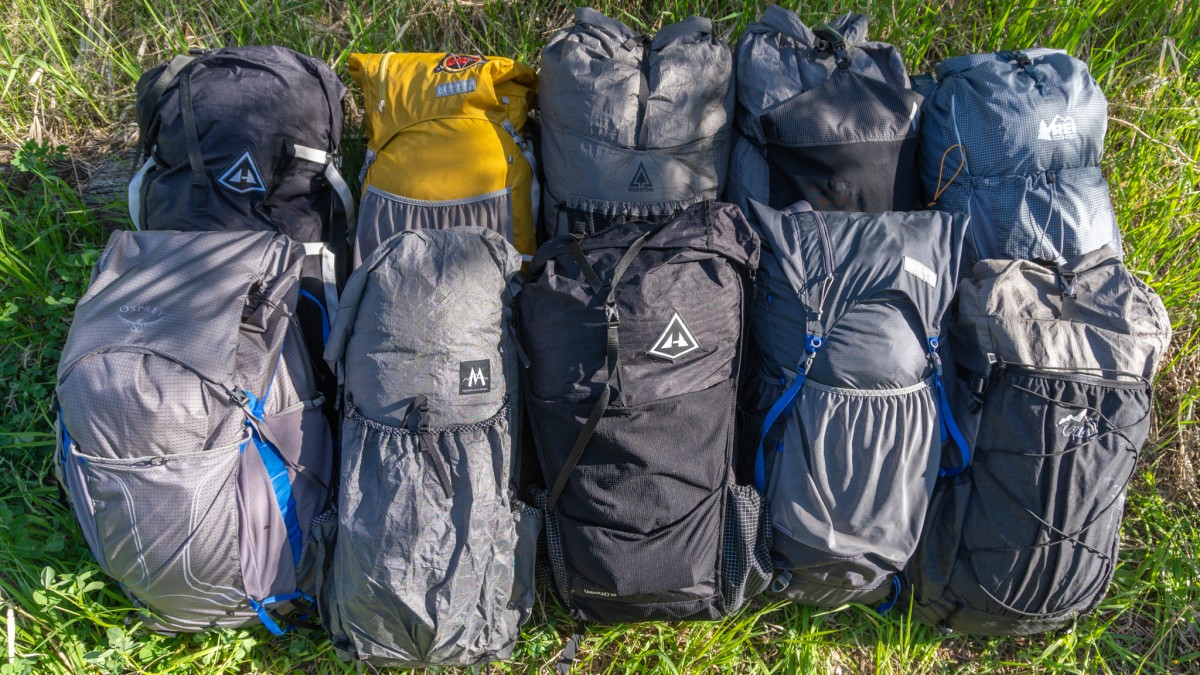
The Ultralight Backpack: Engineering Comfort for the Long Haul
Gone are the days when “ultralight” meant sacrificing durability or comfort. Today’s ultralight backpack is a masterpiece of minimalist design and intelligent engineering.
What Defines a Modern Ultralight Pack?
An ultralight pack is typically considered to be under 2 pounds for a 40-60 liter capacity, but weight is just the starting point. The philosophy centers on carrying only what you need, which begins with the pack itself.
- Advanced Materials: The use of ultra-high-molecular-weight polyethylene (UHMWPE) fabrics, like Dyneema® Composite Fabrics (DCF) and gridstop nylons, provides incredible tear strength for their weight.
- Frameless & Hipbelt-Less Designs: Many pure ultralight packs eliminate internal frames and substantial hipbelts, transferring weight savings directly to your shoulders—a trade-off that demands a very light base weight.
- Minimalist Features: You’ll find roll-top closures instead of heavy lid pockets, simple side pockets, and a focus on streamlined attachment points.
- Durable-Water-Repellent (DWR) Eco-Treatments: Traditional PFAS-based DWRs are being phased out. The latest packs use PFAS-free, environmentally safer water repellents that perform nearly as well without the ecological cost.
- Integrated Load Management: Even frameless packs now use clever curves, foam back panels, and strategic stitching to create a “virtual frame” that carries weight more comfortably than ever before.
- Lighter Weight: Carbon poles can be 20-30% lighter than comparable aluminum models, reducing swing weight with every step.
- Vibration Dampening: Carbon naturally absorbs high-frequency trail vibration, reducing impact on your joints and hands, leading to less fatigue.
- Strength & Flexibility: High-quality carbon poles are incredibly strong under longitudinal loads (like pushing off) and have a slight flex that can feel more natural.
- Eco-Conscious Cork & Rubber: Cork grips remain popular for their moisture-wicking and moldable properties, with a focus on sustainably harvested cork. Recycled rubber is becoming standard for extended grip sections.
- Modular & Repairable Designs: The “buy it for life” ethos is taking hold. Brands are designing poles with user-replaceable parts—tips, baskets, grip sections, and even individual shaft segments—to combat disposable culture.
- Integrated Technology: Look for subtle tech integrations, like small, removable mounts for action cameras or sensors that sync with hiking apps to track pole plant count and rhythm, providing data on hiking efficiency.
- Circular Economy Models: Some forward-thinking companies are launching take-back programs, where old gear is recycled into new material or refurbished and resold.
- Ethical Manufacturing: Sustainability includes people. Transparency about fair labor practices and safe working conditions in factories is becoming a key part of a brand’s story.
- Audit What You Have: The greenest gear is in your closet. Repair, re-waterproof, and love what you already own.
- Prioritize Your Biggest Impact: When you do need to buy, start with high-wear, high-weight items. Replacing a heavy backpack with an ultralight backpack and a pair of steel poles with carbon trekking poles offers immediate weight savings and performance gains.
- Research the Brand’s Ethos: Look beyond the product specs. Does the brand publish a sustainability report? Do they use eco-friendly materials? Do they offer repair guides or services?
- Buy for Longevity: Choose classic colors and durable construction over fast-fashion trends. Opt for brands with strong warranties.
- Embrace Second-Hand: The used gear market is full of treasures. Giving gear a second life is one of the most sustainable choices you can make.
- Anchor: “ultimate gear checklist” → Link to a detailed, downloadable backpacking checklist.
- Anchor: “how to properly fit your backpack” → Link to a video/post on pack fitting techniques.
- Anchor: “compare the best rain jackets of the year” → Link to a gear comparison guide.
- Link to the Bluesign® website for information on their fabric certification.
- Link to the Leave No Trace Center for Outdoor Ethics for current principles.
- Link to a reputable gear review site like SectionHiker or OutdoorGearLab for independent performance reviews.
- Main header image: “Hiker with ultralight backpack and carbon trekking poles on a mountain ridge at sunrise.”
- Infographic on materials: “Comparison chart of eco-friendly hiking gear materials like recycled polyester and Tencel.”
- Product close-up: “Detailed shot of the minimalist design and cork grips on a pair of carbon fiber trekking poles.”
Pro Tip: The true benefit of an ultralight backpack isn’t just less weight on the scale; it’s reduced fatigue, increased agility on technical terrain, and the ability to cover more miles with greater joy.
Key Features to Look for in 2025-2026
1. Adaptable Suspension Systems: Look for packs with removable framesheets and hipbelts. This allows you to customize the pack to your load, making it versatile for both weekend trips and longer resupplies.
Internal Link Suggestion: Considering an ultralight setup? Read our guide on “Building Your First Ultralight Backpacking Kit” for a complete breakdown of the big three: pack, shelter, and sleep system.
Carbon Trekking Poles: The Ultimate Trail Companion
If your ultralight backpack saves energy from above, carbon trekking poles reclaim it from below. They’ve moved from optional accessory to essential gear for most serious hikers.
Why Carbon Fiber is a Game-Changer
Carbon fiber composites offer an unparalleled strength-to-weight ratio. Compared to traditional aluminum poles:
Important Note: While carbon is strong, it can be more susceptible to catastrophic failure from a sharp side impact (like a rock fall) compared to aluminum, which may bend. Proper care is essential.
Top Trends in Trekking Pole Design for 2026
The evolution of carbon trekking poles is focusing on sustainability and user experience.
The Heart of the Matter: Sustainable Hiking Gear and Eco-Friendly Materials
This is where the 2026 trail narrative truly comes together. Sustainable hiking gear is transitioning from a niche selling point to a core manufacturing imperative. It’s about the entire lifecycle: sourcing, production, use, and end-of-life.
Breakthrough Eco-Friendly Materials to Know
The materials science behind gear is exploding with green innovation.
| Material | Source & Key Properties | Common Uses in Gear |
| :— | :— | :— |
| Recycled Nylon & Polyester | Made from post-consumer waste like plastic bottles and fishing nets. Reduces petroleum use and ocean plastic. | Backpack fabrics, clothing, tent flys, stuff sacks. |
| Organic & Recycled Wool | Wool from sheep raised under strict organic standards, or wool reclaimed from textile waste. Naturally odor-resistant and temperature-regulating. | Baselayers, socks, insulated jackets (combined with other materials). |
| Tencel™/Lyocell | A fiber made from sustainably sourced wood pulp (often eucalyptus) in a closed-loop process that recycles water and solvents. | Moisture-wicking t-shirts, liner gloves, breathable clothing. |
| Plant-Based PU Coatings | Polyurethane waterproof coatings derived from castor beans or other plants, replacing petroleum-based coatings. | Waterproof membranes and coatings on rain jackets and packs. |
| Bio-Based Plastics | Plastics like PEET derived from sugarcane ethanol. Used for durable components. | Buckles, ladder locks, zipper pulls, hydration tube mouthpieces. |
| PFC-Free DWR | Durable Water Repellent finishes that do not contain perfluorinated chemicals, which are persistent environmental pollutants. | The outer treatment on virtually all water-resistant shells and pants. |
Beyond Materials: The Principles of Sustainable Gear
1. Durability & Repairability: The most sustainable gear is the gear you already own. Brands are expanding warranty programs and selling repair kits. Look for reinforced stress points and companies that offer repair services.
2026 Hiking Trends: Where Lightweight Meets Green
Synthesizing all of the above, here are the overarching 2026 hiking trends that will shape your gear choices and trail experience.
Trend 1: The “Conscious Ultralighter”
The archetype of the hiker who meticulously cuts ounces while also auditing the environmental and ethical footprint of every item in their pack. They choose a ultralight backpack made from recycled grids top and a carbon trekking pole from a brand with a replacement parts program.
Trend 2: Multi-Function & Modular Gear
To save weight and reduce consumption, gear will serve multiple purposes. A rain jacket becomes a pack cover, a sit pad becomes a frame sheet, and trekking poles pitch your tent. This modularity reduces the total number of items you need to buy and carry.
Trend 3: Tech-Enabled Trail Stewardship
Apps and gear will integrate to promote Leave No Trace principles. Imagine a GPS app that highlights durable surfaces for camping or a water bottle with a filter that connects to a crowdsourced map of clean water sources, reducing reliance on single-use plastics.
Trend 4: Localized & Climate-Specific Gear
Instead of “one kit for all trails,” we’ll see gear optimized for specific biomes (e.g., alpine, desert, rainforest) using locally appropriate eco-friendly materials. This reduces over-engineering and the carbon footprint of global shipping for inappropriate gear.
Trend 5: The Rise of the “Green Gear Library”
Community gear rental libraries, often based at outdoor retailers or non-profits, will grow. This allows people to access high-quality, sustainable hiking gear (like those premium carbon trekking poles) for a single trip without the full investment and resource use of ownership.
How to Build Your Future-Proof Hiking Kit
Ready to align your gear with the future? Follow this actionable approach:
Conclusion: Hiking with Purpose into 2026 and Beyond
The trail ahead is clear and promising. The pursuit of lighter loads and the responsibility to protect the wild places we explore are no longer separate paths—they are merging into one. By choosing an ultralight backpack crafted with intention, relying on the efficient strength of carbon trekking poles, and supporting innovation in sustainable hiking gear, we vote for a future where adventure and conservation go hand in hand.
The 2026 hiking trends point toward a more thoughtful, efficient, and connected outdoor experience. It’s about moving freely with less burden, and treading softly with greater care. So, as you plan your next adventure, consider not just where you’re going, but how you’re getting there. Invest in gear that elevates your experience and honors the planet. Your back, your spirit, and the trails will thank you.
Start your journey today. Review one piece of gear in your kit and research a more sustainable or lightweight alternative. Your next step is the most important one.
—
FAQ: Ultralight and Sustainable Hiking Gear
Q: Is carbon fiber really more eco-friendly than aluminum?
A: It’s complex. The production of virgin carbon fiber is energy-intensive. However, its lightweight nature can reduce transportation emissions over its lifetime, and its durability is key. The best choice is a high-quality, repairable pole from a brand committed to sustainable practices, regardless of material. The longer you use it, the better its footprint.
Q: Can ultralight gear actually be durable enough for thru-hiking?
A: Absolutely. Modern ultralight materials like DCF and high-denier nylons are incredibly tough. Durability often comes down to design and construction (e.g., stitch quality, bar tacks) rather than just fabric weight. Many ultralight packs successfully complete long trails like the Appalachian Trail and Pacific Crest Trail.
Q: What’s the first piece of gear I should swap for a more sustainable option?
A: Start with apparel. Switching to a shirt made from recycled polyester or Tencel™, or socks made from recycled wool, is an affordable and high-impact move. You’ll experience the performance benefits immediately and reduce plastic waste.
Q: Are plant-based materials as waterproof and durable as petroleum-based ones?
A: They are catching up rapidly. While early iterations had limitations, current plant-based PU coatings and bio-plastics offer performance that is nearly identical to their conventional counterparts for most hiking applications. The technology is improving with every season.
Q: How can I tell if a brand’s sustainability claims are legitimate?
A: Look for specific certifications (like Bluesign® for fabrics, Fair Trade for manufacturing) and transparent reporting. Be wary of vague terms like “green” or “eco-conscious” without supporting details. Legitimate brands are proud to share the details of their supply chain and material origins on their websites.
—
Internal Link Suggestions:
External Link Suggestions:
Image Alt Text Suggestions: